
Opinion Magazine
Number of visits: 10,201,842
  •  Home
  • Opinion
    • Opinion
    • Literature
    • Short Stories
    • Photo Stories
    • Cartoon
    • Interview
    • User Feedback
  • English Bazaar Patrika
    • Features
    • OPED
    • Sketches
  • Diaspora
    • Culture
    • Language
    • Literature
    • History
    • Features
    • Reviews
  • Gandhiana
  • Poetry
  • Profile
  • Samantar
    • Samantar Gujarat
    • History
  • Ami Ek Jajabar
    • Mukaam London
  • Sankaliyu
    • Digital Opinion
    • Digital Nireekshak
    • Digital Milap
    • Digital Vishwamanav
    • એક દીવાદાંડી
    • काव्यानंद
  • About us
    • Launch
    • Opinion Online Team
    • Contact Us

Tridip Suhrud’s Mahatma

Rajiv Shah|Gandhiana|13 December 2013

It was a lovely evening in Ahmedabad, and I decided to go to Gandhi Ashram with a friend to have a chat with a senior Gandhi scholar who sits quietly in a modest, less than 10×10 room – Tridip Suhrud. Suhrud is currently involved in digitizing anything and everything related to Mahatma Gandhi. “We have already digitized nearly five lakh pages and put them online, including Gandhiji’s complete works. Once we have finished digitizing around 25 lakh pages, which would include works by all those who have worked and interacted with Gandhi, you wouldn’t need to go anywhere to do research on Gandhi. All you would need to do is to go online”, he tells me modestly as I begin talking to him.

A reputed social activist, Achyut Yagnik, known as an expert on Gujarat and Ahmedabad (Penguin has published his books on the cultural history of both), introduced me to Suhrud in mid-1990s. At that time, Suhrud was a faculty at the National Institute of Design in Ahmedabad. Thereafter, I would meet Suhrud at the Dhirubhai Ambani Institute of Information and Communication Technology (DAIICT), in Gandhinagar, Gujarat’s capital, where he taught political science and cultural history, his areas, to those ICT students who wanted go to go beyond ICT.

What a contrast it was! I thought. The mundane Gandhi hut where he sits now stands in sharp contrast to the upscale DAIICT campus. Always amenable to interact as a “master”, as he called himself informally and with a smile, I decided to ask Suhrud a controversial subject: A section of the Dalit intellectuals accuse the Mahtma of being casteist. What does he say? “Granted”, he said, repeating, “Granted… Gandhi had his own limitations, he couldn’t come out of a certain framework. But answer me one simple question: Who made untouchability a national issue, when it wasn’t on agenda, and fought against it despite huge opposition from the upper caste Hindus?”

Suhrud said, “And, who directly interacted with Babasaheb Ambedkar? None but Gandhi. There are umpteen letters between the two. Others like Rabindranath Tagore or Sardar Patel merely followed Gandhi’s views on untouchability, not beyond. None but Gandhi fought manual scavenging, called it national shame. During the trips he made to Gujarat villages, for instance, during the Dandi march, there were cases when the huts where he stayed put were ‘purified’ by setting them on fire. Often, he would be made to stay outside the village. He was considered ‘impure’ because of his views on untouchability and his unusual ways of supporting the untouchables.”

Pointing out that there are a large number of examples of this kind, the professor – who wore a trendy blue khadi kurta and a black bandi, but looking through his mundane classes – added, “In villages, high caste people would listen to him on British Empire, but when it came to untouchability, they would just back out. Show me if there is another example of this kind. Tagore wrote poetry against untouchability, following Gandhi, but never actively interacted with Ambedkar. Sardar Patel, who, following Gandhi, disapproved of untouchability in all his speeches, but didn’t take it up as campaign.”

Suhrud referred to the controversial Pune pact of 1932, where Ambedkar and Gandhi agreed to have reservation for “depressed classes” – now referred as scheduled castes and scheduled tribes. “Ambedkar wanted separate electorate for the depressed classes, which Gandhi opposed. Separate electorate would have meant Dalits could vote only to Dalit candidates, none else. The British supported such an arrangement. Few see the reason why Gandhi opposed it. It would have deprived large sections of Dalits to vote in areas where upper caste persons are candidates, especially where they are in extreme minority. Besides, other sections of society couldn’t vote for the depressed class candidates. It would have meant an end of interaction in society. Gandhi rightly opposed it”, Suhrud said.

Ask him about the objection Dalit intellectuals raise on the use of term Harijan, and Suhrud clarifies: “There was no word like Dalit during the national movement. The term Dalit came into force in 1950s, it was coined by Ambedkar. The so-called untouchables were referred to by upper classes derogatorily like ‘dhed’ in Gujarat. So, Gandhiji identified them as Harijan, or God’s children. What’s wrong in that? The fight against untouchability was the fight for Harijans as a community. They were called depressed classes by the British, and were identified as Dalits by Ambedkar in 1950s.”

Suhrud concluded by insisting that there is a need to end the move to pit Gandhi against Ambedkar . “The legacy of both is a force to be reckoned with in case Indian society has to reform”, he said. I instantly remembered how my friend Martin Macwan, a Dalit rights activist, had to face the ire of sections of Dalits during shobha yatra a year ago, when he projected Gandhi and Ambedkar together in an effort to highlight untouchability, prevailing in Gujarat cities and villages. Some Dalits threatened him he wouldn’t be allowed to enter into Ahmedabad; but the yatra didn’t stop.

Suhrud’s reference to Sardar Patel made me curious, as the Iron Man is in focus over the debatable plan to build the world’s highest statue in his memory in the midst of Narmada river for Rs 2,500 crore. It’s a mystery what Sardar thinks of untouchability. I decided to investigate. Urvish Kothari, a Gujarati publicist, who has written a book, “Sardar: Sacho Manas, Sachi Vat” and has studied Sardar as few have, told me, “To Sardar, Gandhi’s word was the gospel truth. He just followed Gandhi.” A Dalit intellectual, whom I know well, Chandu Maheria, forwarded me an article he had written on the subject several years ago in the Gujarati periodical “Dalit Shakti”.

Maheria refers to how, in 1924, thanks to the Sardar’s effort, a Dalit, Kachrabhai Bhagat, got a ticket to fight polls to Ahmedabad municipality despite stiff opposition, and ensured his victory; how he called himself “municipality’s bhangi” during that period in order to fight against insanitary conditions, which resulted in plague; and how he decided to sat with the “untouchables” in November 1922 during a Congress meet in Kathiawad where there was separate sitting arrangement for the Dalits.

But, as Suhrud told me, the Sardar didn’t have an “independent view on untouchability, like Gandhi. He was an organizer, and followed Gandhi.” Well-known sociologist Prof Ghansyam Shah, in his article, “Traditional Society and Political Mobilization: The Experience of Bardoli Satyagraha (1920-28)”, published in “Contributions to India Sociology” (1974) refers to some of Sardar’s speeches to suggest that the Sardar had no concrete views on caste. Prof Shah points to how the Sardar told upper caste people to “strengthen” caste organizations in order to fight the British Empire.

As for the “untouchables, dublas, and artisans”, while addressing them in the rural areas around Bardoli, the Sardar told them that it was their “dharma” to be loyal to their masters who belonged to the upper castes. “The government wants to divide you and the shahukar, but for you, your shahukar is everything. You should laugh at and consider him a fool if somebody says that you should change your shahukar. It is just like saying that to a pativrata (chaste and dutiful wife) that she should change her husband. How can you leave the shahukar who had helped you in your difficulties?”, the Sardar had wondered!

http://blogs.timesofindia.indiatimes.com/true-lies/entry/tridip-suhrud-s-mahatma

12 December 2013, 12:10 PM IST

Loading

સાભાર પરત

અાશા બૂચ|Opinion - Opinion|12 December 2013

ઇ.સ. ૨૦૬૯ની દિવાળીની શાનદાર ઉજવણી, મૂળ ભારતના રહેવાસીઓએ, માન્ચેસ્ટરના અન્ય નાગરિકો સાથે મળીને આનંદે ધમાકા સાથે ઉજવી, જેમાં શહેરની કાઉન્સિલનો પણ નોંધનીય ફાળો હતો. તે નિમિત્તે બહાર પડેલ સિટી કાઉન્સિલનું સામાયિક વાંચવામાં આવ્યું. તેમાં એક લેખ ‘Thanks, but no thanks!’ શીર્ષક હેઠળ લખાયેલો વાંચ્યો, રસપ્રદ લાગ્યો એટલે એની લ્હાણી કરું છું.

એ લેખમાંની વિગતો કાંઇક આ પ્રમાણે છે : ‘કાઉન્સિલના કર્મચારીઓને એમના કામ બદલ વિવિધ પ્રકારના ટોકન અને ભેટ-સોગાદો વળતર રૂપે મળતાં હોય છે જેમ કે વણ જોઈતું કમ્પ્યુટર, ચશ્માંની જોડ કે ઘડિયાળ જેવી ચીજો. એ બધા વળતર પાછળનો હેતુ સારો હોય છે, પરંતુ માન્ચેસ્ટર સિટી કાઉન્સિલ તેનું ઉચ્ચ ધોરણ જાળવી રાખવા માગે છે. માટે તમારા કામ બદલ ઉપકારવશ થઈને જે વ્યક્તિ એ ભેટ લાવી હોય, તેને તમે શા માટે તે ન સ્વીકારી શકો તે વિગતે સમજાવીને એ બધી વસ્તુઓ સાભાર પરત કરવી અને ભેટ-સોગાદોની નોંધપોથીમાં તેની નોંધ કરવી, એટલું જ નહીં પણ તમારા ઉપરીને તેની જાણ કરવી. કાઉન્સિલની સેવાઓના લાભાર્થીઓ, કોન્ટ્રાક્ટર કે માલ પૂરો પાડનારાની ભેટ બધા કર્મચારી ગણ કે બહોળા સમૂહને ઉપયોગી થવાને બદલે માત્ર તમને વ્યક્તિગત લાભ આપનારી હોય તો તેનો સાદર અસ્વીકાર કરવો. કાઉન્સિલની નીતિમત્તાની પાદર્શિકતા અને પ્રતિમા જાળવવા વિવેકથી ‘ના’ પાડવી જરૂરી છે. આમ કરવાથી આપણે પોતાની શુદ્ધ છાપ જાળવીને કામ કરી શકીશું અને અયોગ્ય વર્તન કદી ન થાય, તેની કાળજી લઈ શકીશું. મિટીંગમાં અપાતી પેન કે ડાયરી જેવી વસ્તુ સ્વીકારી શકાય, પરંતુ રેસ્ટોરાંમાં જમવા જવાનું કે કોઈ હોટેલમાં રહેવાનું, કોઈ પર્યટન સ્થળે ફરવા જવાનું આમંત્રણ મળે તો ઉચ્ચતમ અધિકારી સાથે વાટાઘાટ કરીને માત્ર કાઉન્સિલનાં કામ માટે અનિવાર્ય હોય તેવો જ પ્રસ્તાવ સ્વીકારવો. ટપાલમાં મોકલેલ કે ટેબલ પર મુકેલ વસ્તુઓ વિષે ઉપરીને જાણ કરો. પાછી ન મોકલી શકાય તેમ હોય તો દાનમાં આપી દેવી અથવા અન્ય સહ કારકારોમાં વહેંચી દેવી.’

પોતાના કર્મચારીઓ માટેની આ સૂચનાઓ વાંચીને હું વિચારોમાં ગરકાવ થઈ ગઈ. આ પ્રકારની સૂચનાઓ આપવી પડે છે તેમાં બે વાત સ્પષ્ટ થાય છે; એક તો એ કે કેટલાક લોકો આવી ભેટ-સોગાદો સ્વીકારે છે અને તેમાંથી ગેરરીતિ પણ પ્રવર્તે છે. પણ બીજો મુદ્દો એ પણ તરી આવે છે કે કાઉન્સિલ આના વિષે જાગૃત છે અને પોતાના સંગઠનના નીતિ નિયમોથી આ વર્તન તદ્દન વિરુદ્ધ હોવાથી અમાન્ય છે એ તદ્દન મક્કમતાથી જાહેર કરે છે.

આમ જોવા જઈએ તો મ્યુિનસિપાલિટીના કર્મચારીઓ સરકારી અને અર્ધસરકારી માળખામાં નીચલા પગથીયે આવનારા ગણી શકાય. એ લોકોને આવી ભેટ-વળતર ન લેવાનું કહેનાર તેમના વડાઓ જો લાંચ-રુશ્વત ન લેતા હોય તો જ આવા હુકમોનું પાલન નાના કર્મચારીઓ કરે. સ્થાનિક કાઉન્સિલ પોતાના નીતિમત્તાના ધોરણો જાળવી રાખે છે એ જોવાનું કામ કેન્દ્ર સરકારનું છે એટલે તેને પણ પોતે સ્વચ્છ વહીવટ પૂરો પાડે છે તેવો આદર્શ પૂરો પાડવો રહ્યો. છતાં ઠેક ઠેકાણે કોઈ ને કોઈ ક્ષેત્રમાં ગોલમાલ, ખાયકી અને રુશ્વતખોરી આ દેશમાં પણ નથી થતી, એવું માની ન જ શકાય. પરંતુ કમસે કમ જે તે સંસ્થા, સંગઠન, સરકારી તંત્ર વગેરે ગોલમાલ, ખાયકી કે રુશ્વતખોરીને પોતાની સર્વ માન્ય નીતિ તરીકે અપનાવી નથી લેતા. કોઈ પણ સંસ્થા, સંગઠન, સરકારી તંત્ર પોતાના કર્મચારીઓ, અધિકારીઓ અને સંચાલકો પાસેથી જે પ્રકારનાં વલણ તથા વર્તનની અપેક્ષા રાખશે તેવું જ તેઓ પૂરું પડશે એ હકીકત છે.

હવે આ નિયમાવલીની ભારતમમાં પ્રવર્તતી પરિસ્થિતિની સાથે સરખામણી કરીએ તો શું મળશે તે અનુમાન કરવું અઘરું નથી. શિક્ષણ ક્ષેત્રે ચાલતી ગેરરીતિઓની વાત લઈએ. ભારતની તમામ પ્રાથમિક, માધ્યમિક અને ઉચ્ચ શિક્ષણની શાળાઓમાં તેના ક્લાર્ક, શિક્ષકો કે આચાર્યોને આવી આચાર સંહિતા આપવામાં આવે એવી કોઈ શક્યતા ખરી? શાળામાં પ્રવેશ માટે જનાર મા-બાપ પાસે શાળાનો ક્લાર્ક પ્રવેશ માટેનું ફોર્મ માત્ર આપવા માટે સો-બસો રૂપિયા માગે. તેનાથી આગળ વધો તો પ્રિન્સીપાલ ‘દાન’ રૂપે વાર્ષિક ફીઝ ઉપરાંત પાંચ આંકડાની માંગણી કરે. દર વર્ષે પોતાના સુપુત્ર કે સુપુત્રીને પરીક્ષામાં પાસ જાહેર કરવા માટે શિક્ષકો દક્ષિણાની અપેક્ષા રાખે. શાળાના સંચાલકો શિક્ષણ ખાતા પાસેથી પૂરતી ગ્રાન્ટ મેળવવા અરજી કરે ત્યારે શિક્ષણ પ્રધાનને કાર ખરીદવા કે પ્રવાસ પર જવાની સગવડ કરી આપે ત્યારે કામ બને. જ્યાં શિક્ષણ પ્રધાન પોતે જ કેઇક ઉપર આઇસિંગ ઇચ્છે ત્યાં શાળાના કારકુનને રોટલા પર ઘીનું દડબું માગવાનો અધિકાર ખરો કે નહીં ? જ્યાં ખુદ ઉપરી અમલદારો જ લાલચુ અને ભિખારી વૃત્તિના હોય ત્યાં કોણ કોની પાસે આવા નિયમોના પાલનનો આગ્રહ સેવી શકે કે તેનું પાલન થાય છે કે નહીં તેની ખાતરી કરી શકે?

ભારતમાં તો આજે એવી દશા છે કે આવા વળતર કે ભેટ-સોગાદો અપાય નહીં ત્યાં સુધી કોઈ કામ આગળ ન વધે; એટલું જ નહીં, સામેથી તેવી માંગણી કરવામાં આવે. યુનાઇટેડ કિંગ્ડમ જેવા દેશોમાં આવી તરફેણ, ભેટ કે આડકતરી મહેમાનગતિ સ્વીકારનારની પ્રતિષ્ઠાના ધજાગરા ઊડે અને કેટલાક કિસ્સામાં એમની રોજગારી ઝુંટવાઈ જાય, જ્યારે ભરતમાં તો જાણે આ પ્રકારની લેણદેણ સર્વ સ્વીકાર્ય વર્તનની રીતભાત લેખાવા લાગી છે. જો કેન્દ્ર સરકારના મંત્રીઓ, ઉચ્ચ ન્યાયાલયના ન્યાયાધીશો, ધર્મગુરુઓ અને સમાજના ગણમાન્ય નેતાઓ સર્વ સત્તાધીશ ગણાતા હોય, તેઓ આપણા આદર્શ કહેવાતા હોય તો એમના ભ્રષ્ટ વ્યવહારનું અનુસરણ આમ પ્રજા કરે અને આખો સમાજ સંસ્થાકીય ભ્રષ્ટાચારને અનિવાર્ય અનિષ્ટ ગણીને કમને પણ સ્વીકારતો થઈ જાય તેમાં શી નવાઈ ?

આજે નીતિમત્તાના મૂલ્યોનો કેટલી હદે હ્રાસ થઈ ગયો છે તે જોવા ખાતર પણ ભારતની એકાદ શાળા કે મ્યુિનસિપાલિટીના કર્મચારીઓ માટે આવી અચાર સંહિતા લખી મોકલવાની હિંમત કરવા જેવી ખરી. જો તેનું પાલન જે તે સંસ્થા-સંગઠનના કર્મચારીઓ કરે તો તેની જાહેરાત જોરશોરથી કરી તેમને ધન્યવાદ આપવા અને જો ન કરે તો પણ તેની જાણ જોરશોરથી જાહેર માધ્યમો દ્વારા સહુને કરવી અને જાહેરમાં તેમની નામોશી કરવી એ પ્રયોગ કરવા જેવો છે. કદાચ સરકારી માળખામાં સહુથી નિમ્ન કક્ષાના ગણાતા કર્મચારીઓને તેમના ખાતામાં દરેક ધોરણના કર્મચારીઓ અને ઉપરીઓ માટે આવી સૂચનાઓ લખવાની અને તેના પાલનની જવાબદારી સોંપવામાં આવે તો સંભવ છે કે લાંચ-રૂશ્વતને તડીપાર કરી શકાય.

આવું સોનેરી સ્વપ્ન આવે તે માટે સહુને શુભરાત્રી!

e.mail : 71abuch@gmail.com

Loading

ગુજરાતી નૂરની રોશનીની એક ઝલક

અાશા બૂચ|Profile|11 December 2013

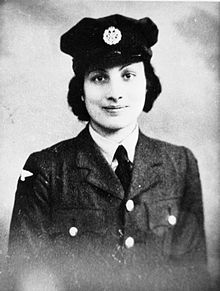
થોડા દિવસ પહેલાંના સમાચાર જણાવે છે કે પ્રિન્સ ચાર્લ્સે દ્વિતીય વિશ્વયુદ્ધમાં ભાગ લીધેલ લગભગ ૭૫ જેટલી મહિલા એજન્ટ માટેના સ્મૃિત ચિહ્નનું અનાવરણ કર્યું. રોયલ એર ફોર્સના ટેમ્સફર્ડથી (Wenn) ઉડ્ડાન ભરીને રવાના થયેલ એ બહાદુર લડાયક એજન્ટના બલિદાનની શૌર્ય ગાથાની નોંધ લેતું સ્મારક  પ્રિન્સ ચાર્લ્સે ખુલ્લું મુક્યું. એ સ્મારક સ્તંભ પર સહુથી પ્રથમ નામ નૂર ઇનાયત ખાનનું વાંચવામાં આવતાં જ એના વિશેની જાણકારી વાચકો સમક્ષ મુકવાની મારી ફરજ અદા કરું છું.
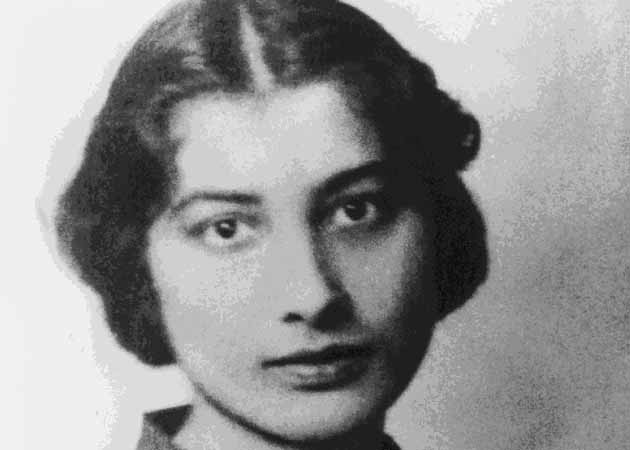
નૂરુન્નીસા ઇનાયત ખાન ઉર્ફે નોરા બેકર – એ નામધારી વ્યક્તિ વિષે જાણવાનો પ્રયત્ન કરીએ તો તેના જીવનની એક પછી એક ઘણી કડીઓ ખુલશે અને એ વાંચતાં અાપણા મનમાં ય ગૌરવની શતદલ પાંખડીઓ ખીલી ઊઠશે.

૧ જાન્યુઆરીને ૧૯૧૪ને દિવસે નૂરુન્નીસાનો જન્મ મોસ્કોમાં થયો. એ વાતને આવતે વર્ષે આપણે તેની જન્મ શતાબ્દી તરીકે ઉજવીશું. તેના પિતાજી હઝરત ઈનાયત ખાન વડોદરામાં જન્મીને મોટા થયેલા. આથી નૂર ઇનાયત ખાનને મૂળ ગુજરાતના ફરજન્દની  સુપુત્રી માનવાનું ગૌરવ અનુભવું છું. જ્ઞાનશાળાના સ્થાપક મૌલાબક્ષના ફરજંદ હોવાને કારણે ભારતીય શાસ્ત્રીય સંગીત હઝરત ઈનાયત ખાનને ગળથૂથીમાં મળેલું. તેમાં વિવિધ ધર્મી અભ્યાસુઓનો સત્સંગ થતાં તેમનામાં સૂફી પંથનાં બીજ રોપાયાં જે તેમને અમેરિકા અને રશિયા જેવા દેશોમાં લઈ ગયાં અને આજે તેઓ પશ્ચિમને સૂફી પંથનો સૌ પ્રથમ પરિચય કરાવનાર તરીકે ઓળખાય છે. વળી તેઓ બ્રિટિશ સલ્તનત સામે ઝઝૂમતાં માર્યા ગયેલ શૂરવીર ટીપુ સુલતાનના વારસ પણ હતા. એટલે કે નૂરના પિતા સૂફી સંગીતજ્ઞ અને ટીપુ સુલતાનના વારસ હોવાનું બેવડું મહત્ત્વ ધરાવતા હતાં.

નૂરનાં માતા Ora Ray Baker મૂળે અમેરિકાનાં રહીશ અને Mary Baker Eddy કે જે Christian Science Movementનાં સ્થાપકોમાંના એક હતા તેમનાં ભત્રીજી હતાં. હઝરત ઈનાયત ખાનને પરણ્યા પછી તેઓ અમીના બેગમના નામે ઓળખાતાં હતાં. આવા સુસંસ્કૃત માતા-પિતાને ખોળે જન્મેલી નૂરને લઈને ઈનાયત ખાન લંડન ગયા, જ્યાં વિલાયત ખાન (૧૯૧૬), હિદાયત ખાન (૧૯૧૭) અને પુત્રી ખૈરુન્નીસા(૧૯૧૯)નો જન્મ થયો. ઇ.સ. ૧૯૨૦માં સૂફી પંથના પ્રચાર અર્થે આ પરિવાર ફ્રાંસ ગયો અને બે-ત્રણ જગ્યાએ ટુંક સમય માટે નિવાસ કરીને, છેવટ પેરિસમાં Suresnes Houseમાં સ્થાયી થયાં, જેને ‘ફઝલ મંઝીલ’ નામ આપ્યું. ઘરની અંદર હિન્દી, ઉર્દૂ અને અંગ્રેજી મુખ્ય ભાષા તરીકે બોલાતી હતી તેમાં ફ્રેન્ચનો ઉમેરો થયો. બધાં બાળકો ગુજરાતી/ભારતીય પોષક પણ પહેરતાં. મૌલાબક્ષનો સંગીતનો વારસો અહીં પણ જળવાઈ રહ્યો અને ખૈરુન્નીસા હાર્પ, હિદાયત વાયોલીન, વિલાયત ચેલો અને નૂર પોતે વીણા, પિયાનો તથા હાર્પ વગાડવામાં કુશળ બન્યાં.

આ સુખી પરિવાર પર એક દિવસ વીજળી ત્રાટકી. ઇ.સ. ૧૯૨૭માં પિતા ઇનાયત ખાન તેમની ભારતની મુલાકાત દરમ્યાન અચાનક બીમારીનો ભોગ બન્યા અને ત્યાં જ તેમનું અવસાન થયું. ૧૩ વર્ષની કુમળી વયે નૂર ઉપર માતાને આશ્વસ્ત કરવાની અને નાનાં ભાંડરુઓને સંભાળવાની કપરી જવાબદારી આવી પડી. કાળક્રમે એ ઘા રૂઝાયો અને ઇનાયત ખાનનો પરિવાર જીવનને પ્રગતિ તરફ આગળ ધપાવવામાં સફળ થયો.
નૂરની સંસ્કાર યાત્રા સંગીતથી આગળ વધી અને તેણે ૧૯૩૮માં વીસ જાતક કથાઓ કહેવાનું શરૂ કર્યું જે ફ્રાન્સના “Le Figaro”ના બાળ વિભાગમાં આવવાથી ઘણી પ્રસિદ્ધિ પામી

અને લોકપ્રિય પણ બની. પરિણામે પરીસ રેડિયો પર બાળકો માટેના કાર્યક્રમમાં નૂર વાર્તાઓ વાંચવા લાગી, જે પછીથી તે બી.બી.સી. લંડનથી પણ પ્રસારિત કરતી. તેવામાં બીજું વિશ્વયુદ્ધ ફાટી નીકળ્યું અને ફ્રાન્સમાં રહેવાનું અસલામત લાગતાં અમીના બેગમ બાળકોને લઈને લંડનમાં સ્થાયી થયાં.

યુદ્ધમાં ઝખ્મી થયેલા સૈનિકોની સારવાર કરવાની લગન નૂરના મનમાં જાગી અને ૧૯ નવેમ્બર ૧૯૪૦માં તે Women’s Auxiliary Air Forceમાં Nora Bakerના નામથી જોડાઈ, જેથી WAAF તેની ભરતીનો સ્વીકાર કરે. નૂરે વાયરલેસ ટેલીગ્રાફીસ્ટ તરીકે તાલીમ મેળવી અને ૧૯૪૨માં વિમાની દળમાં આગેવાની ભર્યું સ્થાન મેળવીને બઢતી પામી. તેનો ભાઈ વિલાયત ખાન પણ રોયલ નેવીમાં સેવા આપવા ભરતી થયો.

નૂરની ફ્રેન્ચ ભાષાની જાણકારીનો લાભ લઈને ફ્રાન્સના Resistance Group માટે જાસુસી સેવાઓ આપવા માટે તેની નિમણુંક કરવામાં આવી. તે વખતે ફ્રાંસ જર્મનીના તાબામાં હતું અને નૂર પહેલી મહિલા વાયરલેસ ઓપરેટર તરીકે ત્યાં નિમાયેલી. તે લંડન સંદેશાઓ મોકલતી તેના પર હિટલરની ખુફિયા પુલિસ (જાસુસી દળના માણસો) અને નાઝી સરકારને ટેકો આપનારાઓ ચાંપતી નજર રાખતા. નૂરને આ કામ અને જગ્યા છોડીને લંડન જતા રહેવાની તક અપાયેલી. તેનો ઇન્કાર કરીને પણ એ પોતાનું અતિ જોખમ ભરેલું કામ કરવા ફ્રાંસમાં રહી. એક સ્ત્રી તરીકે તેનામાં હિંમત નથી અને આ કામ સ્ત્રીઓ માટે વધૂ જોખમી છે એમ કહેનારાઓને પોતાની હિંમત અને જરૂર પડ્યે શહાદત વહોરીને પણ સ્ત્રી જાતિની અમાપ શક્તિનું ભાન કરાવવા માગતી હતી.

ઓક્ટોબર ૧૯૪૩માં એક બાતમીદારે જર્મન ગુષ્ટાપોને નૂર લંડન સ્થિત Special Operations Executiveને લડાઈની બાતમી મોકલતી રહે છે એ હકીકત જણાવી એટલે તેની ધરપકડ કરવામાં આવી. નૂરનો બાથરૂમની બારીમાંથી ભાગી છૂટવાનો પ્રયત્ન નિષ્ફળ ગયો. તે પછી બારીના સળિયા ઢીલા કરીને કાઢી લેવાના પ્રયત્નમાં પણ પકડાઈ જવાને કારણે તે ખૂબ જોખમી કેદી ગણાવા લાગી અને ૧૯૪૩ના નવેમ્બરમાં જર્મનીના Pforzheim નામના કારાગારમાં તેને ખસેડવામાં આવી. અહીં તેને સાંકળોથી બાંધી, એકાંતવાસમાં રાખીને મધ્યકાલીન સમયમાં ગુજારાતા તેવા અત્યાચારો તેના પર વિતાવવામાં આવ્યા. આટલું કષ્ટ વેઠ્યા છતાં ય તેણે પોતાના કામની બાતમી દુશ્મનોને ન આપી, કેમ કે તેનો હેતુ ફ્રાન્સના લોકો હિટલરના જુલ્મો સામે માથું ઉંચકવા માગતા હતા તેમને માટે બ્રિટનનો ટેકો મેળવવાનો હતો. આ સમગ્ર લડાઈ દરમ્યાન તેણે પોતાના ઉપરી અમલદારોને કહેલું કે તે બ્રિટનની નાગરિક હોવાને કારણે બ્રિટનની સરકારના હુકમોનું પાલન કરે છે, પરંતુ મનથી તે મહાત્મા ગાંધીના ભારતના સ્વાતંત્ર્ય સંગ્રામને ટેકો આપે છે.

નૂરની બ્રિટન તરફની અડગ વફાદારીને કારણે બીજી ત્રણ મહિલા એજન્ટ્સ સાથે તેને પણ દક્ષિણ જર્મનીના Dachau Concentration campમાં લઈ જવામાં આવી અને ૧૩ સપ્ટેમ્બર ૧૯૪૪ને દિવસે ગોળીથી તેના દેહને વીંધી દેવામાં આવ્યો. આ વિરાંગનાના અંતિમ ઉદ્ગારો હતા : “Liberte”.

મુક્તિનો પૈગામ આપનાર નૂરને ફ્રાન્સની સરકારે ૧૯૪૬માં Croix de Guerre અને બ્રિટિશ સરકારે ૧૯૪૯માં George Crossથી સન્માનિત કરેલી. માત્ર ચાર મહિલાઓને જ જ્યોર્જ ક્રોસ આપવામાં આવ્યો છે અને તેમાં નૂર એક માત્ર મરણ પશ્ચાત આ માન મેળવવાને પાત્ર ઠરી છે.

આ વીરાંગનાનું જીવન અને યુદ્ધ સમયમાં બતાવેલ હિંમત સમસ્ત નારી જગત માટે દ્રષ્ટાંત રૂપ છે. આજે ચારે તરફ ફાટી નીકળેલી હિંસાત્મ્ક લડાઈઓ આવા વીરો/વીરાંગનાઓની કુરબાનીની યાદ તાજી કરાવે છે. નૂરની શહાદતને આપણા ઝાઝેરા ઝુહાર.

e.mail : 71abuch@gmail.com

Loading

...102030...4,1844,1854,1864,187...4,1904,2004,210...

Search by

Opinion

  • डाकियाની દુનિયામાં ડોકિયું : પોસ્ટલ હેરિટેજ પ્રદર્શન
  • દસ મિનિટનો ફોટોગ્રાફ
  • નારી શક્તિને વંદન કે માત્ર શબ્દોની રમત ?
  • ચલ મન મુંબઈ નગરી—359
  • આપણે કયા ગુજરાતની વાત કરી રહ્યા છીએ?

Diaspora

  • આપણે કયા ગુજરાતની વાત કરી રહ્યા છીએ?
  • દશમી ભાષા-સાહિત્ય પરિષદ :
  • યુ.કે.માં ડ્રાઇવિંગની પરીક્ષા
  • અમીના પહાડ (1918 – 1973) 
  • છ વર્ષનો લંડન નિવાસ

Gandhiana

  • આતંકવાદ અને અસમતોલ યુદ્ધના માહોલમાં ગાંધી 
  • શાંતિની સ્થાપના અને જાળવણી શક્ય છે.
  • कौमी संवादिता की मधुशाला[1]
  • શું આ જ કળિયુગની પરિભાષા હશે ? 
  • આંતરિક શક્તિ : હિંમત, અંતરાત્માનો અવાજ અને અહિંસક પ્રતિકાર 

Poetry

  • ને ,પાળ તૂટી! !
  • હળવે હળવે હળવે
  • બગલ ખંજવાળો
  • નિષ્ક્રમણ
  • ગઝલ

Samantar Gujarat

  • ઇન્ટર્નશિપ બાબતે ગુજરાતની યુનિવર્સિટીઓ જરા પણ ગંભીર નથી…
  • હર્ષ સંઘવી, કાયદાનો અમલ કરાવીને સંસ્કારી નેતા બનો : થરાદના નાગરિકો
  • ખાખરેચી સત્યાગ્રહ : 1-8
  • મુસ્લિમો કે આદિવાસીઓના અલગ ચોકા બંધ કરો : સૌને માટે એક જ UCC જરૂરી
  • ભદ્રકાળી માતા કી જય!

English Bazaar Patrika

  • State-Sponsored Communal Profiling : The Gujarat Government Must Be Held Accountable
  • My mother cries on the phone’: TV’s war spectacle leaves Indians in Israel calming frightened families
  • “Why is this happening to me now?” 
  • Letters by Manubhai Pancholi (‘Darshak’)
  • Vimala Thakar : My memories of her grace and glory

Profile

  • તપસ્વી સારસ્વત ધીરુભાઈ ઠાકર
  • સરસ્વતીના શ્વેતપદ્મની એક પાંખડી: રામભાઈ બક્ષી 
  • વંચિતોની વાચા : પત્રકાર ઇન્દુકુમાર જાની
  • અમારાં કાલિન્દીતાઈ
  • સ્વતંત્ર ભારતના સેનાની કોકિલાબહેન વ્યાસ

Archives

“Imitation is the sincerest form of flattery that mediocrity can pay to greatness.” – Oscar Wilde

Opinion Team would be indeed flattered and happy to know that you intend to use our content including images, audio and video assets.

Please feel free to use them, but kindly give credit to the Opinion Site or the original author as mentioned on the site.

  • Disclaimer
  • Contact Us
Copyright © Opinion Magazine. All Rights Reserved