

ધર્મ સામે સવાલો કરે તેને ધમકાવવાના?
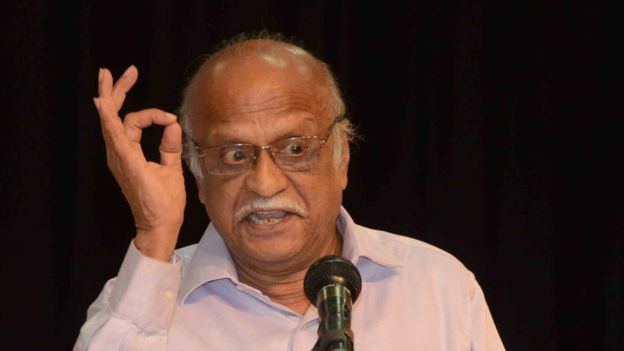 અંધશ્રદ્ધા નાબૂદ થાય એમ ધર્મ અને સંસ્કૃિત નિસ્યંદિત-ઊજળા થાય છે. સમાજમાં બની બેઠેલા ધર્મ અને સમ્પ્રદાયના ઠેકેદારોને, ગ્લેમર-ગરાસિયા સંતસાધ્વીઓને એ મંજૂર હોતું નથી. કર્ણાટકના વિદ્વાન એમ. એમ. કાલબુરગી ધર્મ સામે સવાલો કરે તો તેના પૂતળાં સળગાવવામાં આવે છે અને ઘર પર હુમલા કરવામાં આવે છે. અંધશ્રદ્ધાની સામે આદુ ખાઈને પડેલા મહારાષ્ટ્રના નરેન્દ્ર દાભોળકર અને ગોવિંદ પાનસરેનું ઢીમ ઢાળી દેવામાં આવે છે. કાલબુરગીના મર્ડરની તપાસ ચાલી રહી છે, તેથી કોઈ સામ્પ્રદાયિક સંગઠન પર આરોપ મૂકવો ઉતાવળિયું ગણાય. તેમના અંગત વિવાદને લીધે તેમનું મર્ડર થયું હોઈ શકે. સવાલ એ પણ થાય કે બે વર્ષની અંદર જ કાલબુરગી, ગોવિંદ પાનસરે, અને નરેન્દ્ર દાભોળકરના મર્ડર એક સરખી જ મોડસ ઓપરેન્ડીથી થયા હોય તો દરેકનાં મર્ડર પાછળ કોઈ અંગત કારણ હોય એ વાત ગળે ઊતરે એવી નથી. ઈશારો ધર્મના રખેવાળ બની બેઠેલા સામ્પ્રદાયિક સંગઠનો પર જાય એ સ્વાભાવિક છે
૩૦ ઓગસ્ટે કર્ણાટકના ધારવડ જિલ્લાના કલ્યાણનગરમાં રહેતા કન્નડ વિદ્વાન એમ. એમ. કાલબુરગીનાં ઘરનો દરવાજો સવારે આઠ ચાલીસે ખખડયો. કાલબુરગીએ કહ્યું, "કોણ?" ખખડાવનારે કહ્યું, "તમારો સ્ટુડન્ટ છું." કાલબુરગીએ દરવાજો ઉઘાડયો એટલે ગોળીઓ વીંઝીને તેમનું ઢીમ ઢાળી દેવામાં આવ્યું.
સહનશક્તિને અહંકારનો કાટ ચડયો છે
એમ. એમ. કાલબુરગીએ અંધવિશ્વાસ અને મૂર્તિપૂજા સામે સવાલો ઉઠાવ્યા હતા. કાલબુરગીએ એક કાર્યક્રમમાં અંધશ્રદ્ધા વિરુદ્ધનાં બિલનું જાહેરમાં સમર્થન કર્યું હતું એ પછી કેટલાંક લોકોએ તેમનાં ઘરમાં કાચની બોટલો ફેંકી હતી અને મારી નાખવાની ધમકી આપવામાં આવી હતી. તેમનું પૂતળું સળગાવવામાં આવ્યું હતું. એક વર્ષ અગાઉ એક ટોળું તેમનાં ઘરની બહારથી તેમનો હુરિયો બોલાવતું નીકળ્યું હતું. કાલબુરગીને મારી નાખવાની ધમકીઓ વારંવાર મળતી હતી એ ધ્યાનમાં લઈને ત્યાંની રાજ્ય સરકારે તેમને પોલીસ સુરક્ષા આપવાની તજવીજ કરી હતી. કાલબુરગીએ એ સુરક્ષા લેવાની ના પાડી દીધી હતી. તેમણે કહ્યું હતું કે મને મોતનો ડર નથી.
એમ. એમ. કાલબુરગીએ ધર્મની સામે કેટલીક કોમેન્ટ તોછડાઈપૂર્વક કરી હતી, જે તેમણે નહોતું કરવું જોઈતું, પરંતુ એ એકલદોકલ કોમેન્ટને બાદ કરો તો એ માણસે કન્નડ સાહિત્યમાં જે કામ કર્યું છે એ બેન્ચમાર્ક વર્ક ગણાય છે, વળી કોઈ માણસ ધર્મની વિરુદ્ધમાં અણછાજતી કોમેન્ટ કરે તો એને મારી નાખવાનો પરવાનો કયા ધર્મે આપ્યો છે? કમસે કમ હિંદુ ધર્મે તો આપ્યો જ નથી. શિશુપાલ જેવા શિશુપાલની ૧૦૦ ગાળ તો ભગવાન કૃષ્ણ પણ પચાવી ગયા હતા.
કાલબુરગીનાં પ્રદાન વિશે વાત કરીએ તો ૭૭ વર્ષનાં જીવનમાં તેમણે ૧૦૩ પુસ્તકો લખ્યાં અને ૪૦૦ કરતાં વધુ લેખ લખ્યા હતા. તેમણે કર્ણાટકની 'વચન' પરંપરાનું સંકલન કર્યું હતું, જેનો ૨૨ ભાષામાં અનુવાદ થયો હતો. વચન સાહિત્યનો તેમનો અભ્યાસ અદ્વિતીય હતો. કર્ણાટકમાં ૧૧મી સદી પછી બાસવ-બસેશ્વર, અક્કા મહાદેવી, સિદ્ધેશ્વર જેવા ૨૦૦ જેટલા સંતોએ કર્ણાટકની સંસ્કૃિત વિકસાવવામાં મહત્ત્વનું પ્રદાન કર્યું છે. તેમનું સાહિત્ય વચન સાહિત્ય તરીકે ઓળખાય છે. કાલબુરગીએ વચન સાહિત્યના પાંચ અભ્યાસગ્રંથ લખ્યા છે. સાંપ્રદાયિક પક્ષપાતથી ઉપર ઊઠીને તેમણે એ ગ્રંથ લખ્યા છે. કાલબુરગીના કામની નોંધ કેટલાંક એવોર્ડ દ્વારા લેવાઈ હતી. તેમને કેન્દ્રની મધ્યસ્થ અકાદમીનો એવોર્ડ પણ મળ્યો હતો, જો કે કાલબુરગીનો અભ્યાસ સ્થાપિત હિત ધરાવતા ત્યાંના લિંગાયત સમુદાયને માફક આવ્યા નહોતો. કાલબુરગી ખુદ લિંગાયત હતા. સ્થાપિત હિતો તેમની વિરુદ્ધ તક મળ્યે ઊહાપોહ મચાવ્યાં કરતાં હતાં અને મારી નાખવાની ધમકી આપતાં હતાં.
કાલબુરગીને તેમના ધાર્મિક વિચારો વ્યક્ત કરવા અંગે હિંદુ સંગઠનો દ્વારા લાંબા સમયથી ધમકીઓ મળતી હતી, તેથી તેમનાં મર્ડર માટે પ્રાથમિક ધોરણે કેટલાંક સંગઠનો પર શંકાની સોય તકાય એ સ્વાભાવિક છે. તેમનાં મર્ડર બાદ બજરંગદળના એક નેતાએ ટ્વિટર પર ટ્વિટ કરીને ખુશી વ્યક્ત કરી હતી, પછી એ ટ્વિટ પાછું ખેંચી લીધું હતું.
આ લખાઈ રહ્યું છે ત્યાં સુધી કાલબુરગીનું મર્ડર કોણે કર્યું છે એ હજી તપાસમાં બહાર આવ્યું નથી. ધાર્મિક સંગઠનો ઉપરાંત તેમના પારિવારિક તેમ જ મિલકતનો વિવાદ પણ મર્ડર માટે જવાબદાર હોઈ શકે છે, તેથી પોલીસ આવા ત્રણેક મુદ્દાને કેન્દ્રમાં રાખીને તપાસ કરી રહી છે. પોલીસની તપાસમાં સત્ય બહાર ન આવે ત્યાં સુધી કાલબુરગીનાં મર્ડર માટે ધાર્મિક સંગઠનો જ જવાબદાર છે એવું કહેવું કે માની લેવું ઉતાવળિયું કે વધારે પડતું ગણાશે.
બે ઘડી એ શંકાને બાજુ પર મૂકી દઈએ કે કાલબુરગીનાં મર્ડર પાછળ સાંપ્રદાયિક સંગઠનનો હાથ નથી, પણ એવાં સંગઠનો તેમને છેલ્લા કેટલા ય વખતથી મારી નાખવાની ધમકી આપતાં હતાં. તેમનાં ઘર પર બોટલો ફેંકતાં હતાં. તેમનાં પૂતળાં બાળતાં હતાં. એ કયા લેવલે વાજબી હતું? દેશનાં કયાં બંધારણે અને હિંદુસ્તાનની પરંપરાના કયા ધર્મે તેમને એવી છૂટ આપી હતી? ધારો કે તપાસમાં એવું બહાર આવે કે તેમનું મર્ડર અન્ય કોઈ વિવાદને લીધે થયું છે પણ ધાર્મિક સંગઠનોએ તેમના પર ત્રાસ ગુજારવામાં કંઈ બાકી નહોતું રાખ્યું એ પણ એટલું જ સાચું છે.
પરંપરા અને સંસ્કૃિતને અભડાવતાં સ્થાપિત હિતો
જગતનો કોઈ ધર્મ ક્યારે ય એટલો સંકુચિત નથી હોતો કે કોઈ તેની વિરુદ્ધમાં બોલે તો એ ધર્મ દુભાઈ જાય કે એના પર આફત આવી જાય. જો ધર્મ એટલા સંકુચિત હોત તો સદીઓ વીતી જવા પછી એ ધર્મો આજે અસ્તિત્વમાં જ ન હોત. હિંદુસ્તાન પર શકો, હૂણો, પોર્ટુગીઝો, મોગલોથી માંડીને છેક અંગ્રેજોએ હુમલા કર્યા અને રાજ કર્યાં છતાં પણ ભારતીય સંસ્કૃિતની રોશની અકબંધ છે, કારણ કે એના વિચારો બળવત્તર છે. આપણી સંસ્કૃિતના જે વિચારો ટકી રહ્યા છે એ કોઈ ધાર્મિક સંગઠનોને લીધે નથી ટક્યા. સંગઠનોએ તો ઊલટાના એને વાડામાં બાંધવાના પ્રયાસ કર્યા છે.
બુદ્ધ જેવા બુદ્ધના વિચારોને ભારતમાં નાબૂદ કરવાના ઢગલા પ્રયાસ થયા. બુદ્ધના વિચારો ભારતની બહાર જઈને શ્રીલંકા, ચીન, જાપાન, થાઇલેન્ડ, ઇન્ડોનેશિયામાં ઊગ્યા. વિપશ્યના જેવી ધ્યાનસાધના બુદ્ધની દેન છે, એ ભારતનો વારસો છે છતાં આજે આપણે એ વારસો વાયા વિદેશ થઈને મેળવવો પડે છે. કહેવાનું તાત્પર્ય એ છે કે વ્યક્તિ રહે કે ન રહે પણ એનો વિચાર કાળજયી હોય તો એ સમય વર્તે બાહુબલી થઈને ઊગી નીકળે છે.
જગતનો કોઈ ધર્મ એવું ન કહી શકે કે જે અમારા ધર્મની સાથે નથી એ સામે છે, જે અમારા ધર્મ સાથે સહમત નથી એને ધમકાવવાના, એના ઘર પર બોટલો ફેંકવાની, પૂતળાં સળગાવવાં કે મર્ડર કરી નાખવું. જે લોકો ધર્મની ઓથ લઈને એના બચાવ માટે આવું કરે છે એ ધર્મને અભડાવે છે, દૂષિત કરે છે. એ ધર્મને જંગલના કાનૂનમાં ખપાવે છે. કોઈ ધર્મ ક્યારે ય કોઈને એવો ઠેકો આપતો જ નથી. જે લોકો આવી હિંસક ઘટનામાં સીધેસીધા સામેલ નથી હોતાં પણ મનોમન ખુશ થાય છે એ લોકો પણ એના મૂક સમર્થકો છે. આ મૂક સમર્થકોને લીધે જ ધર્મ અને સંપ્રદાયનાં સ્થાપિત હિતો વધુ ફૂલેફાલે છે. સાથે એ પણ કહેવું રહ્યું કે જે લોકોને આ પ્રકારની ઘટનાઓ પસંદ નથી એ લોકો આવી ઘટના વખતે માત્ર સંવેદના પ્રગટ કરીને ચૂપ રહે છે ત્યારે તેમની ચૂપકીદી પણ એટલી જ જવાબદાર છે. તેઓ નથી બોલવાના એવો ભરોસો હોવાથી સ્થાપિત હિતો પોતાનું કામ કર્યે જાય છે.
હિંદુ ધર્મ તો ક્યારે ય આવો સાંકડો હતો જ નહીં અને હશે પણ નહીં, જો હિંદુ ધર્મ સામે સવાલ ઉઠાવવાનો કોઈને હક ન હોય અને વિરોધ કરે એને ગોળીએ ઝીંકી દેવાના હોય તો પછી ગાર્ગી અને મૈત્રેયીનું પણ મર્ડર જ થઈ ગયું હોત. એ બંનેએ તો યાજ્ઞાવલ્ક્ય જેવા ઋષિને સવાલો પૂછીને મૂંગા કરી દીધા હતા.
કૃષ્ણે અર્જુનને કહ્યું હતું કે મને તમામ ભક્તોમાં બુદ્ધિમાન ભક્ત સૌથી વધુ પ્રિય છે. મતલબ કે માત્ર ટીલાંટપકાં કરીને શીશ નમાવી જાણનારા ભક્ત કરતાં ઈશ્વરને બૌદ્ધિક રીતે મૂલવતા ભક્ત વધુ પ્રિય છે. બુદ્ધિમાન હોવું એનો મતલબ એ છે કે તર્ક કરી જાણવો. તર્કનો મતલબ એ પણ છે કે ક્યાંક અસહમતી હોવી કે પ્રગટ કરવી. અસહમતી પ્રગટ કરવી એ જ બંને પક્ષને વધુ મનદુરસ્ત કરે છે. ભારતીય દર્શનપરંપરાની ધરી જ એ છે. કોઈ વિરોધીને લીધે જો ધર્મ દુભાઈ જતો હોય તો એ ધર્મ તો પાંગળો જ હોવાનો.
જો કાલબુરગીનાં પૂતળાં સળગાવીને તેનાં ઘર પર ડર પાથરી દેવાથી, નરેન્દ્ર દાભોળકર કે ગોવિંદ પાનસરેનું મર્ડર કરવાથી ધર્મ વધુ સમૃદ્ધ થતો હોય તો એવાં લોકોને વીણી વીણીને શૂળીએ ચડાવી દેવાં જોઈએ. ખરેખર તો ધર્મનું અપમાન પાખંડી, દંભી, વ્યભિચારી, કાળા નાણાધારી, ગ્લેમર-ગરાસિયા બાવા અને બાવીઓને લીધે થાય છે. દેશમાં આજે એ પ્રકારના બાવા-બાવીઓના રાફડા ફાટયા છે, એની સામે કેમ કોઈ ધર્મપ્રેમીઓનો મોરચો મંડાતો નથી એ એક સવાલ છે, વળી આવાં કૌભંડી સાધુ-સાધ્વીઓ સામે જ્યારે કાયદાકીય કાર્યવાહી થાય છે ત્યારે એના ભક્તજનોનાં ટોળેટોળાં કાયદાની પ્રક્રિયાને રૂંધે છે.
બે વર્ષ પછી પણ દાભોળકર મર્ડરની તપાસનું પરિણામ શૂન્ય!
અંધશ્રદ્ધા સામે બંડ પોકારનારા એમ. એમ. કાલબુરગીનાં માથે માછલાં ધોવાયાં હતાં, તો નરેન્દ્ર દાભોળકર, ગોવિંદ પાનસરે જેવાં લોકોની હાલત શું થઈ હતી? નરેન્દ્ર દાભોળકરનું મર્ડર કોણે કર્યું છે એ આજ સુધી બહાર નથી આવી શક્યું? વળી નરેન્દ્ર દાભોળકર, પાનસરે, કાલબુરગી આ તમામનાં ખૂન થયાં છે. આ દરેક અંધશ્રદ્ધાની સામે કામ કરી રહ્યા હતા. માની લઈએ કે કદાચ કાલબુરગીનાં મર્ડર પાછળ પારિવારિક કે મિલકતનો વિવાદ જવાબદાર હોઈ શકે પણ શું આ દરેકનાં મર્ડર પાછળ પણ એવો જ વિવાદ જવાબદાર હોઈ શકે ખરો? જે રીતે આ પ્રકારનાં લોકોનાં મર્ડર થઈ રહ્યાં છે એ પેટર્ન જ દર્શાવે છે કે તેઓ જીવતા રહે એ ધર્મના બની બેઠેલા ઠેકેદારો અને સંપ્રદાયના એજન્ટોને ખપતું નહોતું. અંધશ્રદ્ધા નાબૂદ થાય તો તેમની કર્મકાંડી હાટડીઓ બંધ થઈ જાય!
મહારાષ્ટ્ર અંધશ્રદ્ધા નિર્મૂલન સમિતિના નરેન્દ્ર દાભોળકરનું મર્ડર બે વર્ષ પહેલાં ઓગસ્ટ ૨૦૧૩માં પૂણેમાં ધોળે દહાડે થયું હતું. આજ સુધી એની તપાસમાં કોઈ પ્રગતિ જોવા મળી નથી, જે રીતે દાભોળકર મર્ડર કેસની તપાસ ચાલી રહી છે એ વિશે બે ઓગસ્ટે હાઈકોર્ટે પણ નારાજગી વ્યક્ત કરી હતી. કેસ ગયા વર્ષે જ સી.બી.આઈ.ને સોંપાઈ ગયો હોવા છતાં સી.બી.આઈ.એ હજી સુધી કોઈ તપાસ-રિપોર્ટ કેમ નથી સબમિટ કર્યો? એવો સવાલ બોમ્બે હાઈકોર્ટે પૂછયો હતો. બે વર્ષ પછી પણ નરેન્દ્ર દાભોળકરના હત્યારાની કોઈ વિગત મળી નથી. દાભોળકરની હત્યાને એ વખતે મહારાષ્ટ્રના મુખ્ય પ્રધાન પૃથ્વીરાજ ચૌહાણે મહારાષ્ટ્ર માથે કાળા ટીલાં સમાન ગણાવી હતી. પોલીસને તપાસમાં આકાશપાતાળ એક કરી દેવાનું સૂચન કર્યું હતું. બે વર્ષ પછી પણ પરિસ્થિતિ એ છે કે મર્ડર કોણે કર્યું છે એ ખબર નથી!
મહારાષ્ટ્રના ટોચના કોમરેડ નેતા તેમ જ દાભોળકરની જેમ જ અંધશ્રદ્ધા નિર્મૂલન સામે આદુ ખાઈને પડેલા ગોવિંદ પાનસરેની પણ આ વર્ષે ફેબ્રુઆરીમાં હત્યા કરી દેવામાં આવી હતી. દાભોળકર અને પાનસરે બંનેને મોડર્ન વિચારસરણીના વિરોધી એવાં કટ્ટરવાદી ધાર્મિક સંગઠનો તરફથી મોતની ધમકીઓ મળતી હતી. દાભોળકર અને પાનસરે બંનેનાં મર્ડરની મોડસ ઓપરેન્ડી સરખી હતી.
મુદ્દો એ છે કે રાજ્યની સરકાર સઘન પોલીસ તપાસના આદેશ આપે એ પછી બબ્બે વર્ષ સુધી પણ કોઈ પરિણામ ન હોય અને કોર્ટ નારાજગી વ્યક્ત કરે ત્યારે તેમના મર્ડર પાછળ ચોક્કસ જૂથ જવાબદાર હોવાની શંકા મજબૂત થવા માંડે છે. સરકાર માત્ર તપાસ સોંપે છે, એ કેસના ઉકેલ માટે સક્રિયતા દર્શાવતી નથી એ દુ:ખદ છે. આમાં કોઈ એક રાજકીય પક્ષનો વાંક નથી, દરેક રાજકીય પક્ષને આ વાત લાગુ પડે છે. સરકાર તપાસમાં સક્રિયતા એટલા માટે નથી દાખવતી કે તે કેટલાક મોટા ચોક્કસ વર્ગની ખફગી વહોરવા માગતી હોતી નથી. રાજકારણનું આ જે પોચટ સ્વરૂપ છે એ કેટલાંક હિંસક લોકોને બળ પૂરું પાડે છે. એ હિંસક લોકો કેટલાંક લોકોને ધમકાવે કે ફૂંકી મારે કે બે અલગ જાતિના યુવક-યુવતીને પ્રેમલગ્ન કરતાં અટકાવે કે કોઈ ચોક્કસ જાતિનાં લોકોને જાહેરમાં ફટકારે ત્યારે એ ઘટના ભલે એકલદોકલ હોય પણ એનો મેસેજ સમગ્ર સમાજને માટે હોય છે કે તમારે અમે નક્કી કરેલી મર્યાદામાં રહેવાનું છે, બંધારણ તો પોથી માત્ર છે, તેથી જ કોઈ પાનસરે કે દાભોળકરનું મર્ડર થાય છે ત્યારે એક ધમકીભર્યો મેસેજ સામાજિક સરોકાર ધરાવતાં તમામ લોકોને મળે છે કે તમારે મર્યાદારેખા ઓળંગવાની નથી. તપાસની નિષ્ક્રિયતા એમાં આંખ આડા કાનની સહાયક ભૂમિકા ભજવે છે.
વિચારો આજે સતીપ્રથા અને બાળકીને દૂધપીતી કરવાનો રિવાજ હોત તો?
અંધશ્રદ્ધા જેમ નાબૂદ થાય તેમ ધર્મ અને પરંપરા નિસ્યંદિત થાય છે. કોઈ પરંપરાને લલકારે એ ખૂંચે પણ લાંબા ગાળે એ આપણી પરંપરા માટે ફાયદાનો સોદો છે. બાળકીને દૂધપીતી કરવાના રિવાજને, બાળલગ્ન કે સતીપ્રથા આજે પણ અસ્તિત્વમાં હોત તો સમાજની શું હાલત હોત?
દયાનંદ સરસ્વતીએ અંધશ્રદ્ધાનો વિરોધ કર્યો હતો. મહિલાઓના સમાન અધિકાર, વિધવા વિવાહ સહિત અનેક બાબતોના હિમાયતી હતા. એના માટે તેમણે નક્કર પ્રયાસ કર્યા હતા. તેમણે પણ મૂર્તિપૂજાનો વિરોધ કર્યો હતો પણ તેમનો ભારતીય સંસ્કૃિત અને વેદનો અભ્યાસ બેસુમાર હતો. હિંદુ ધર્મનાં પુનરોથ્થાનના તેઓ પ્રહરી હતી. ભારતીય સંસ્કૃિતના દીર્ઘ અભ્યાસી અને તત્કાલીન રાષ્ટ્રપતિ એસ. રાધાકૃષ્ણને દયાનંદ સરસ્વતીને મોડર્ન ભારતના ઘડવૈયા પૈકીના એક ગણાવ્યા હતા. દયાનંદ સરસ્વતીના વિચારો એ જમાનામાં ખૂબ એડવાન્સ હતા. તેઓ કોઈની પણ સાડાબારી રાખ્યા વગર પોતાનો વિચારઝંડો લઈને નીકળી પડ્યા હતા. તેમને પણ ધર્મના ઠેકેદારોએ ખૂબ પરેશાન કર્યા હતા. દયાનંદ સરસ્વતીને પણ ઝેર ભરેલો દૂધનો કટોરો પીવડાવી દેવામાં આવ્યો હતો. દયાનંદ સરસ્વતી તો ત્યારે મરી ગયા પણ તેના વિચારો આજે ય જીવંત છે. દયાનંદ સરસ્વતીની જેમ કબીરને રંજાડવામાં પણ કોઈ કચાશ રાખવામાં આવી નહોતી. તેમના વિચારો તેમના દોહારૂપે આજે ભારતની બહાર નીકળીને અનેક દેશો સુધી પહોંચ્યા છે, જે રીતે કાલબુરગીને ધમકાવવામાં આવ્યા હતા કે દાભોળકર-પાનસરેના મર્ડર થયાં છે એ જોતાં સવાલ એ પણ થાય કે દયાનંદ સરસ્વતી કે કબીર જો હોત તો આજે તેમની પણ એ જ હાલત થાત. લોકો તેમનાં પૂતળાં સળગાવતાં હોત, તેમનું મર્ડર પણ કદાચ થઈ ગયું હોત. મર્ડર પછી કેટલાંક ધર્મકટ્ટર લોકોએ ટ્વિટર પર ખુશી વ્યક્ત કરી હોત!
જો કે દાભોળકર, પાનસરે કે કાલબુરગી સાથે જે થયું એના લીધે તો તેમના વિચારો વધુ બળવત્તર બન્યા છે. તેમના વિચારોને વેગ મળ્યો છે. વ્યક્તિ મરે છે, વિચાર નહીં.
ફતવાઓની દુનિયા
ધર્મ અને સંપ્રદાયની બદીઓ કોઈ એક ધર્મને જ લાગુ નથી પડતી. જગતભરના મોટા ભાગના ધર્મમાં કેટલાક બની બેઠેલા રખેવાળો એ ધર્મને દૂષિત કરતા જ હોય છે. મુસ્લિમ લેખકો તસલિમા નાસરીન અને સલમાન રશ્દીની હાલત કટ્ટરપંથીઓએ કેવી કરી હતી? બાંગ્લાદેશી લેખિકા તસલિમા નાસરીનની રચનાઓમાં નારીવાદી વિચારો મુક્ત રીતે રજૂ થાય છે. ૧૯૯૩માં તેમણે 'લજ્જા' નામની નવલકથા લખી હતી. એને લીધે ત્યાંના ઇસ્લામિક કટ્ટરવાદીઓનાં પેટમાં પેટ્રોલ રેડાયું. તેણે નવલકથામાં સામ્પ્રદાયિક હિંસાનાં જે વર્ણન કર્યા એને લીધે કટ્ટરવાદીઓને લાગ્યું કે આ મહિલા ઇસ્લામનું ખોટું ચિત્રણ કરે છે. તેની નવલકથા પર તો પ્રતિબંધ મુકાયો પણ તેની હત્યા માટે ફતવો બહાર પાડવામાં આવ્યો હતો. તસલિમા નાસરીને ત્યાંથી ભાગવું પડયું હતું. ૧૯૯૪થી આજ સુધી તસલિમા નાસરીન સતત ભાગેડુ જીવન વિતાવે છે. આવું જ સલમાન રશ્દી સાથે થયું. તેની નવલકથા 'શેટનિક વર્સિસ'નો ઘણા દેશમાં મુસ્લિમોએ વિરોધ કર્યો. ૧૯૮૯માં તો ઈરાનના અયાતોલ્લાહ ખોમૈનીએ મોતનો ફતવો જાહેર કર્યો હતો. એના માટે ઇનામ જાહેર કરવામાં આવ્યું હતું. અંદાજે દશેક વર્ષ સુધી સલમાન રશ્દીએ સંતાઈ સંતાઈને રહેવું પડયું હતું.
સલમાન રશ્દી કે તસલિમા નસરીન સાથે અસહમત હોવું એ કોઈ ખોટી વાત નથી. તેમની સામે બેશક વાંધો હોઈ શકે પણ તેનાં મોત માટે ફતવો બહાર પાડવો ક્યાંનો ન્યાય છે?
e.mail : tejas.vd@gmail.com
સૌજન્ય : ‘છપ્પનવખારી’ નામક લેખકની કૉલમ, “સંદેશ”, 09 સપ્ટેમ્બર 2015
http://www.sandesh.com/article.aspx?newsid=3121359

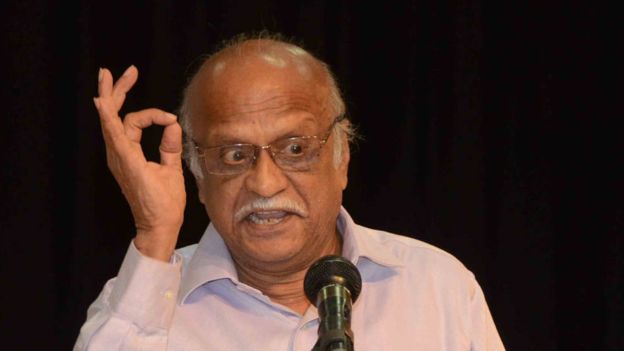 The killing of Professor Maleeshappa Madhivallapa Kalburgi on 30th August 2015 came as a severe jolt to all those who are for an open, liberal society, who uphold the values of reason and are against blind faith. Prof. Kalburgi was a renowned scholar with over 100 books to his credit. He had brought to fore the ideology of Basavanna; the 12th Century poet saint of Kannada; and had supported the idea that Lingyats, the followers of Basavanna be given the status of religious minorities as they do not belong to the Vedic tradition. His study of Vachanas, the teachings contained in the verses of Basavanna, was a profound contribution to the rational though.
 ’ગ્રેટ બ્રિટન’ – મને હંમેશાં લાગતું કે આ ખરો અહંકારી દેશ છે કે જેણે પોતાના નામમાં જ ’ગ્રેટ’ ઉમેરી લીધું. એ તો ખાંખાંખોળા કરીને ખબર પડી કે ’ગ્રેટ’ અહીં ’ગ્રેટર’ના અર્થમાં છે. ’ગ્રેટ’ બ્રિટન એટલે ’મહાન બ્રિટન’ નહિ પણ બૃહદ્દ બ્રિટન – વિસ્તૃત બ્રિટન કે જેમાં સ્કૉટલૅન્ડ, વેલ્સ અને ઉત્તર આયર્લેન્ડ આવી જાય છે. પણ શાણા અંગ્રેજોને જરૂર એવું લાગ્યું હશે કે કોઈ ’ગ્રેટર’ને ’ગ્રેટ’ સમજતું હોય તો તેમાં સામે ચાલીને સાચી સ્પષ્ટતા કરવાની જરૂર નથી. સ્પષ્ટતા ન કરીને મહાન થવાતું હોય તો સસ્તામાં પતે છે. જો કોઈ અંગ્રેજોને અહંકારી સમજતું હોય તો તેને ટિપિકલ ઇંગ્લિશ અદામાં સલૂકાઈથી કહી શકાય કે ’અંગ્રેજી તમારી સ્થાનિક ભાષા ન હોવાથી કદાચ તેના સૂક્ષ્મ અર્થવિસ્તારો અંગેની તમારી અણસમજ સમજી શકાય તેવી છે’. અંગ્રેજો આવું કહે ત્યારે સમજી લેવાનું કે એ તમારા અંગ્રેજીના અજ્ઞાનની ફિલમ ઉતારી રહ્યા છે. ઇંગ્લૅંડમાં કોઈ જાહેર જગ્યામાં કોઈ તમને કહે કે ’તમારું બાળક કેટલું ખુશમિજાજી છે!’ ત્યારે પોરસાવાને બદલે એવું તપાસી લેવાનું કે તમારું બાળક બહુ ઘોંઘાટ તો નથી કરી રહ્યુંને! અંગ્રેજી રીતભાત, શિષ્ટાચાર અને સલૂકાઈમાં રહેલો કરપીણ વ્યંગ અને મોટે ભાગે નિર્દોષ તુમાખી સમજતાં મને એકાદ-બે વર્ષ લાગ્યાં.