

Saints should always be judged guilty until they are proved innocent, but the tests that have to be applied to them are not, of course, the same in all cases. In Gandhi's case the questions on feels inclined to ask are: to what extent was Gandhi moved by vanity — by the consciousness of himself as a humble, naked old man, sitting on a praying mat and shaking empires by sheer spiritual power — and to what extent did he compromise his own principles by entering politics, which of their nature are inseparable from coercion and fraud? To give a definite answer one would have to study Gandhi's acts and writings in immense detail, for his whole life was a sort of pilgrimage in which every act was significant. But this partial autobiography, which ends in the nineteen-twenties, is strong evidence in his favor, all the more because it covers what he would have called the unregenerate part of his life and reminds one that inside the saint, or near-saint, there was a very shrewd, able person who could, if he had chosen, have been a brilliant success as a lawyer, an administrator or perhaps even a businessman.
At about the time when the autobiography first appeared I remember reading its opening chapters in the ill-printed pages of some Indian newspaper. They made a good impression on me, which Gandhi himself at that time did not. The things that one associated with him — home-spun cloth, “soul forces” and vegetarianism — were unappealing, and his medievalist program was obviously not viable in a backward, starving, over-populated country. It was also apparent that the British were making use of him, or thought they were making use of him. Strictly speaking, as a Nationalist, he was an enemy, but since in every crisis he would exert himself to prevent violence — which, from the British point of view, meant preventing any effective action whatever — he could be regarded as “our man”. In private this was sometimes cynically admitted. The attitude of the Indian millionaires was similar. Gandhi called upon them to repent, and naturally they preferred him to the Socialists and Communists who, given the chance, would actually have taken their money away. How reliable such calculations are in the long run is doubtful; as Gandhi himself says, “in the end deceivers deceive only themselves”; but at any rate the gentleness with which he was nearly always handled was due partly to the feeling that he was useful. The British Conservatives only became really angry with him when, as in 1942, he was in effect turning his non-violence against a different conqueror.
But I could see even then that the British officials who spoke of him with a mixture of amusement and disapproval also genuinely liked and admired him, after a fashion. Nobody ever suggested that he was corrupt, or ambitious in any vulgar way, or that anything he did was actuated by fear or malice. In judging a man like Gandhi one seems instinctively to apply high standards, so that some of his virtues have passed almost unnoticed. For instance, it is clear even from the autobiography that his natural physical courage was quite outstanding: the manner of his death was a later illustration of this, for a public man who attached any value to his own skin would have been more adequately guarded. Again, he seems to have been quite free from that maniacal suspiciousness which, as E. M. Forster rightly says in A Passage to India, is the besetting Indian vice, as hypocrisy is the British vice. Although no doubt he was shrewd enough in detecting dishonesty, he seems wherever possible to have believed that other people were acting in good faith and had a better nature through which they could be approached. And though he came of a poor middle-class family, started life rather unfavorably, and was probably of unimpressive physical appearance, he was not afflicted by envy or by the feeling of inferiority. Color feeling when he first met it in its worst form in South Africa, seems rather to have astonished him. Even when he was fighting what was in effect a color war, he did not think of people in terms of race or status. The governor of a province, a cotton millionaire, a half-starved Dravidian coolie, a British private soldier were all equally human beings, to be approached in much the same way. It is noticeable that even in the worst possible circumstances, as in South Africa when he was making himself unpopular as the champion of the Indian community, he did not lack European friends.
Written in short lengths for newspaper serialization, the autobiography is not a literary masterpiece, but it is the more impressive because of the commonplaceness of much of its material. It is well to be reminded that Gandhi started out with the normal ambitions of a young Indian student and only adopted his extremist opinions by degrees and, in some cases, rather unwillingly. There was a time, it is interesting to learn, when he wore a top hat, took dancing lessons, studied French and Latin, went up the Eiffel Tower and even tried to learn the violin — all this was the idea of assimilating European civilization as throughly as possible. He was not one of those saints who are marked out by their phenomenal piety from childhood onwards, nor one of the other kind who forsake the world after sensational debaucheries. He makes full confession of the misdeeds of his youth, but in fact there is not much to confess. As a frontispiece to the book there is a photograph of Gandhi's possessions at the time of his death. The whole outfit could be purchased for about 5 pounds***, and Gandhi's sins, at least his fleshly sins, would make the same sort of appearance if placed all in one heap. A few cigarettes, a few mouthfuls of meat, a few annas pilfered in childhood from the maidservant, two visits to a brothel (on each occasion he got away without “doing anything”), one narrowly escaped lapse with his landlady in Plymouth, one outburst of temper — that is about the whole collection. Almost from childhood onwards he had a deep earnestness, an attitude ethical rather than religious, but, until he was about thirty, no very definite sense of direction. His first entry into anything describable as public life was made by way of vegetarianism. Underneath his less ordinary qualities one feels all the time the solid middle-class businessmen who were his ancestors. One feels that even after he had abandoned personal ambition he must have been a resourceful, energetic lawyer and a hard-headed political organizer, careful in keeping down expenses, an adroit handler of committees and an indefatigable chaser of subscriptions. His character was an extraordinarily mixed one, but there was almost nothing in it that you can put your finger on and call bad, and I believe that even Gandhi's worst enemies would admit that he was an interesting and unusual man who enriched the world simply by being alive . Whether he was also a lovable man, and whether his teachings can have much for those who do not accept the religious beliefs on which they are founded, I have never felt fully certain.
Of late years it has been the fashion to talk about Gandhi as though he were not only sympathetic to the Western Left-wing movement, but were integrally part of it. Anarchists and pacifists, in particular, have claimed him for their own, noticing only that he was opposed to centralism and State violence and ignoring the other-worldly, anti-humanist tendency of his doctrines. But one should, I think, realize that Gandhi's teachings cannot be squared with the belief that Man is the measure of all things and that our job is to make life worth living on this earth, which is the only earth we have. They make sense only on the assumption that God exists and that the world of solid objects is an illusion to be escaped from. It is worth considering the disciplines which Gandhi imposed on himself and which — though he might not insist on every one of his followers observing every detail — he considered indispensable if one wanted to serve either God or humanity. First of all, no meat-eating, and if possible no animal food in any form. (Gandhi himself, for the sake of his health, had to compromise on milk, but seems to have felt this to be a backsliding.) No alcohol or tobacco, and no spices or condiments even of a vegetable kind, since food should be taken not for its own sake but solely in order to preserve one's strength. Secondly, if possible, no sexual intercourse. If sexual intercourse must happen, then it should be for the sole purpose of begetting children and presumably at long intervals. Gandhi himself, in his middle thirties, took the vow of brahmacharya, which means not only complete chastity but the elimination of sexual desire. This condition, it seems, is difficult to attain without a special diet and frequent fasting. One of the dangers of milk-drinking is that it is apt to arouse sexual desire. And finally — this is the cardinal point — for the seeker after goodness there must be no close friendships and no exclusive loves whatever.
Close friendships, Gandhi says, are dangerous, because “friends react on one another” and through loyalty to a friend one can be led into wrong-doing. This is unquestionably true. Moreover, if one is to love God, or to love humanity as a whole, one cannot give one's preference to any individual person. This again is true, and it marks the point at which the humanistic and the religious attitude cease to be reconcilable. To an ordinary human being, love means nothing if it does not mean loving some people more than others. The autobiography leaves it uncertain whether Gandhi behaved in an inconsiderate way to his wife and children, but at any rate it makes clear that on three occasions he was willing to let his wife or a child die rather than administer the animal food prescribed by the doctor. It is true that the threatened death never actually occurred, and also that Gandhi — with, one gathers, a good deal of moral pressure in the opposite direction — always gave the patient the choice of staying alive at the price of committing a sin: still, if the decision had been solely his own, he would have forbidden the animal food, whatever the risks might be. There must, he says, be some limit to what we will do in order to remain alive, and the limit is well on this side of chicken broth. This attitude is perhaps a noble one, but, in the sense which — I think — most people would give to the word, it is inhuman. The essence of being human is that one does not seek perfection, that one is sometimes willing to commit sins for the sake of loyalty, that one does not push asceticism to the point where it makes friendly intercourse impossible, and that one is prepared in the end to be defeated and broken up by life, which is the inevitable price of fastening one's love upon other human individuals. No doubt alcohol, tobacco, and so forth, are things that a saint must avoid, but sainthood is also a thing that human beings must avoid. There is an obvious retort to this, but one should be wary about making it. In this yogi-ridden age, it is too readily assumed that “non-attachment” is not only better than a full acceptance of earthly life, but that the ordinary man only rejects it because it is too difficult: in other words, that the average human being is a failed saint. It is doubtful whether this is true. Many people genuinely do not wish to be saints, and it is probable that some who achieve or aspire to sainthood have never felt much temptation to be human beings. If one could follow it to its psychological roots, one would, I believe, find that the main motive for “non-attachment” is a desire to escape from the pain of living, and above all from love, which, sexual or non-sexual, is hard work. But it is not necessary here to argue whether the other-worldly or the humanistic ideal is “higher”. The point is that they are incompatible. One must choose between God and Man, and all “radicals” and “progressives”, from the mildest Liberal to the most extreme Anarchist, have in effect chosen Man.
However, Gandhi's pacifism can be separated to some extent from his other teachings. Its motive was religious, but he claimed also for it that it was a definitive technique, a method, capable of producing desired political results. Gandhi's attitude was not that of most Western pacifists. Satyagraha, first evolved in South Africa, was a sort of non-violent warfare, a way of defeating the enemy without hurting him and without feeling or arousing hatred. It entailed such things as civil disobedience, strikes, lying down in front of railway trains, enduring police charges without running away and without hitting back, and the like. Gandhi objected to “passive resistance” as a translation of Satyagraha: in Gujarati, it seems, the word means “firmness in the truth”. In his early days Gandhi served as a stretcher-bearer on the British side in the Boer War, and he was prepared to do the same again in the war of 1914-18. Even after he had completely abjured violence he was honest enough to see that in war it is usually necessary to take sides. He did not — indeed, since his whole political life centred round a struggle for national independence, he could not — take the sterile and dishonest line of pretending that in every war both sides are exactly the same and it makes no difference who wins. Nor did he, like most Western pacifists, specialize in avoiding awkward questions. In relation to the late war, one question that every pacifist had a clear obligation to answer was: “What about the Jews? Are you prepared to see them exterminated? If not, how do you propose to save them without resorting to war?” I must say that I have never heard, from any Western pacifist, an honest answer to this question, though I have heard plenty of evasions, usually of the “you're another” type. But it so happens that Gandhi was asked a somewhat similar question in 1938 and that his answer is on record in Mr. Louis Fischer's Gandhi and Stalin. According to Mr. Fischer, Gandhi's view was that the German Jews ought to commit collective suicide, which “would have aroused the world and the people of Germany to Hitler's violence.” After the war he justified himself: the Jews had been killed anyway, and might as well have died significantly. One has the impression that this attitude staggered even so warm an admirer as Mr. Fischer, but Gandhi was merely being honest. If you are not prepared to take life, you must often be prepared for lives to be lost in some other way. When, in 1942, he urged non-violent resistance against a Japanese invasion, he was ready to admit that it might cost several million deaths.
At the same time there is reason to think that Gandhi, who after all was born in 1869, did not understand the nature of totalitarianism and saw everything in terms of his own struggle against the British government. The important point here is not so much that the British treated him forbearingly as that he was always able to command publicity. As can be seen from the phrase quoted above, he believed in “arousing the world”, which is only possible if the world gets a chance to hear what you are doing. It is difficult to see how Gandhi's methods could be applied in a country where opponents of the regime disappear in the middle of the night and are never heard of again. Without a free press and the right of assembly, it is impossible not merely to appeal to outside opinion, but to bring a mass movement into being, or even to make your intentions known to your adversary. Is there a Gandhi in Russia at this moment? And if there is, what is he accomplishing? The Russian masses could only practise civil disobedience if the same idea happened to occur to all of them simultaneously, and even then, to judge by the history of the Ukraine famine, it would make no difference. But let it be granted that non-violent resistance can be effective against one's own government, or against an occupying power: even so, how does one put it into practise internationally? Gandhi's various conflicting statements on the late war seem to show that he felt the difficulty of this. Applied to foreign politics, pacifism either stops being pacifist or becomes appeasement. Moreover the assumption, which served Gandhi so well in dealing with individuals, that all human beings are more or less approachable and will respond to a generous gesture, needs to be seriously questioned. It is not necessarily true, for example, when you are dealing with lunatics. Then the question becomes: Who is sane? Was Hitler sane? And is it not possible for one whole culture to be insane by the standards of another? And, so far as one can gauge the feelings of whole nations, is there any apparent connection between a generous deed and a friendly response? Is gratitude a factor in international politics?
These and kindred questions need discussion, and need it urgently, in the few years left to us before somebody presses the button and the rockets begin to fly. It seems doubtful whether civilization can stand another major war, and it is at least thinkable that the way out lies through non-violence. It is Gandhi's virtue that he would have been ready to give honest consideration to the kind of question that I have raised above; and, indeed, he probably did discuss most of these questions somewhere or other in his innumerable newspaper articles. One feels of him that there was much he did not understand, but not that there was anything that he was frightened of saying or thinking. I have never been able to feel much liking for Gandhi, but I do not feel sure that as a political thinker he was wrong in the main, nor do I believe that his life was a failure. It is curious that when he was assassinated, many of his warmest admirers exclaimed sorrowfully that he had lived just long enough to see his life work in ruins, because India was engaged in a civil war which had always been foreseen as one of the byproducts of the transfer of power. But it was not in trying to smooth down Hindu-Moslem rivalry that Gandhi had spent his life. His main political objective, the peaceful ending of British rule, had after all been attained. As usual the relevant facts cut across one another. On the other hand, the British did get out of India without fighting, and event which very few observers indeed would have predicted until about a year before it happened. On the other hand, this was done by a Labour government, and it is certain that a Conservative government, especially a government headed by Churchill, would have acted differently. But if, by 1945, there had grown up in Britain a large body of opinion sympathetic to Indian independence, how far was this due to Gandhi's personal influence? And if, as may happen, India and Britain finally settle down into a decent and friendly relationship, will this be partly because Gandhi, by keeping up his struggle obstinately and without hatred, disinfected the political air? That one even thinks of asking such questions indicates his stature. One may feel, as I do, a sort of aesthetic distaste for Gandhi, one may reject the claims of sainthood made on his behalf (he never made any such claim himself, by the way), one may also reject sainthood as an ideal and therefore feel that Gandhi's basic aims were anti-human and reactionary: but regarded simply as a politician, and compared with the other leading political figures of our time, how clean a smell he has managed to leave behind!
1949
THE END
____BD____
George Orwell: ‘Reflections on Gandhi’
First published: Partisan Review. — GB, London. — January 1949.
Reprinted:
— ‘Shooting an Elephant and Other Essays’. — 1950.
— ‘The Orwell Reader, Fiction, Essays, and Reportage’ — 1956.
— ‘Collected Essays’. — 1961.
— ‘The Collected Essays, Journalism and Letters of George Orwell’. — 1968.
____
Machine-readable version: O. Dag
Last modified on: 2013-08-30
George Orwell
‘Shooting an Elephant and Other Essays’
© 1950 Secker and Warburg. London.

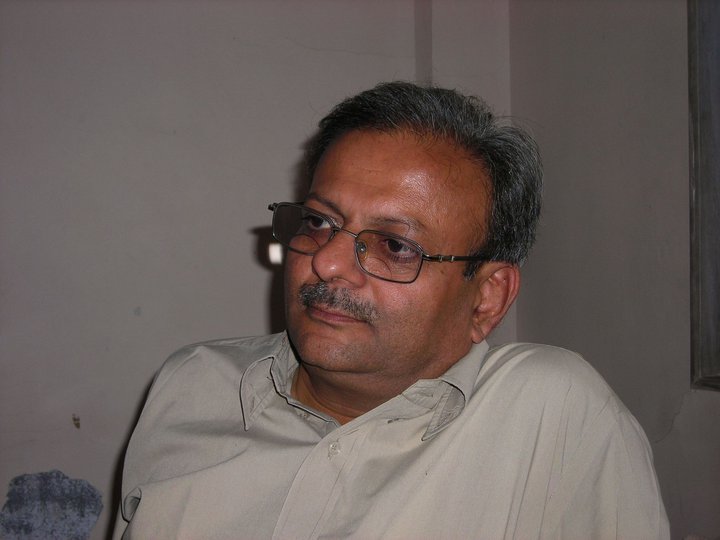 UPSCની પ્રવેશપરીક્ષામાં હિન્દી અને અંગ્રેજીનો વિવાદ ચાલી રહ્યો છે ત્યારે કોઈ અંગ્રેજી પુસ્તકના પ્રકાશનની આખું પાનું ભરીને ઍડ્વર્ટાઇઝમેન્ટ આપવામાં આવે એ બદલાતા યુગનો સંકેત આપે છે. ફ્લિપકાર્ટ નામના ઑનલાઇન સ્ટોરે ચાર દિવસ પહેલાં “ટાઇમ્સ ઑફ ઇન્ડિયા”ના કવરપેજ પર ચેતન ભગતનાં પ્રકાશિત થઈ રહેલાં પુસ્તકોની એડ્વર્ટાઇઝમેન્ટ આપી હતી. “ટાઇમ્સ ઑફ ઇન્ડિયા” ઍડ્વર્ટાઇઝમેન્ટ માટે ભારતનું સૌથી મોંઘું અખબાર છે. એના પહેલા પાના પર ઍડ્વર્ટાઇઝમેન્ટ છપાવવા પાછળ ફ્લિપકાર્ટે ઓછામાં ઓછા ૮૦ લાખથી એક કરોડ રૂપિયા ખર્ચ્યા હશે. આ તો મુંબઈ શહેરની વાત થઈ. બીજાં મહાનગરોમાં કરવામાં આવેલી જાહેરખબરોનો ખર્ચો જોડો તો ફ્લિપકાર્ટે ત્રણેક કરોડ રૂપિયા ખર્ચ્યા હોવા જોઈએ. ચેતન ભગતની પ્રકાશિત થઈ રહેલી અંગ્રેજી નવલકથા ‘હાફ ગર્લફ્રેન્ડ’ની ઓછામાં ઓછી ૩૦ લાખ નકલ વેચાય તો જ ઍડ્વર્ટાઇઝમેન્ટનો ખર્ચો પોસાય અને એટલી પહોંચ આજે અંગ્રેજી પલ્પ લિટરેચરે મેળવી લીધી છે એમ આ ઍડ્વર્ટાઇઝમેન્ટ સૂચવે છે.
 “નિસ્તેજ થયેલી સ્વતંત્રતાને સતેજ કાંતિમાન કરવાની જરૂર છે કે નહિ? આપણા હક્ક આપણને મુખ્તેસર મળે નહિ અને એક નબળા ગુલામની માફક આપણા પર જુલમની ઝોંસરી ભેરવે, ત્યારે આપણે આપણા ખરા હક્કને સારું સ્વતંત્ર ન થવું? આ ઓશિયાળો અવતાર ક્યાં સુધી ભોગવવો? અહા! વહાલી સ્વતંત્રતા! તારા યશ સદા સુખદાયી છે. અને તે સુખના મીઠ્ઠા સાગરમાં અમને રમતા મૂક, કે જેથી અમે અમારી નિસ્તેજ થયેલી યશસ્વી કીર્તિ પાછી સંપાદન કરીએ.”
 ઈચ્છારામની જેમ જ બહેરામજી મલબારી પણ એમના જમાના અગ્રણી લેખક, પત્રકાર અને વધુમાં સમાજ સુધારક હતા. બ્રિટીશ સરકારના અધિકારીઓ સાથે જ નહિ, ખુદ શહેનશાહ સાથે પણ મલબારીને સારા સંબધો હતા. અને છતાં તેમના ૧૮૯૮માં પ્રગટ થયેલા કાવ્યસંગ્રહ ‘સંસારિકા’ પર પણ રાજદ્રોહનો આરોપ મૂકાયો હતો. કેળવણી ખાતાના અધિકારી મિસ્ટર જાઈલ્સે પોતાના અહેવાલમાં જણાવ્યું કે ‘સંસારિકા’નાં કાવ્યોમાં મલબારીએ દેશી લોકોને તાજના રાજ વિરુદ્ધ વિદ્રોહ કરવા ઉશ્કેર્યા છે અને તેથી તેમણે રાજદ્રોહનો ગુનો કર્યો છે. પોલીસે મલબારીના છાપખાનાની ઝડતી લીધી. સરકારમાં ચર્ચા ચાલતી રહી, પણ અદાલતમાં કેસ જ મંડાયો નહિ. કારણ લંડનમાં હાઉસ ઓફ લોર્ડ્ઝમાં કેટલાક બ્રિટીશ આગેવાનોએ મલબારીનો જોરદાર બચાવ કર્યો હતો.
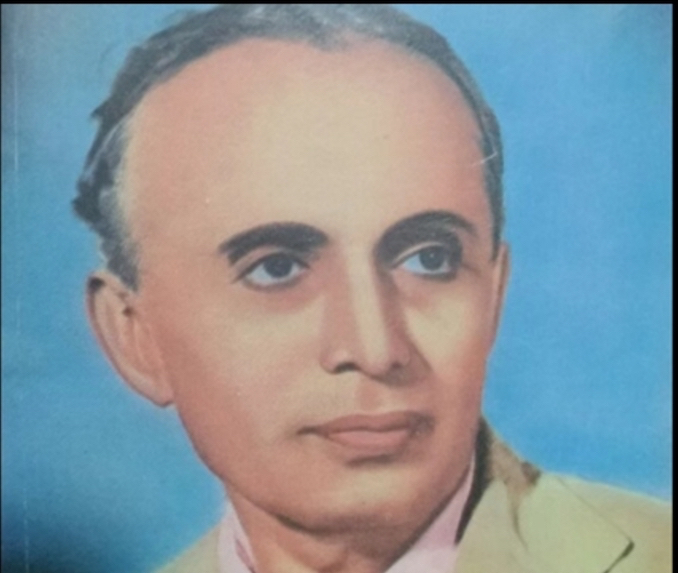 નીરખવાના પોતાના પ્રયાસ રૂપે રમણલાલે ‘દિવ્યચક્ષુ’ને ઓળખાવી છે. અહિંસાત્મક પ્રતિકાર, અસ્પૃશ્યતા નિવારણ, સમાજ સેવા, સ્વદેશી આંદોલન, સ્ત્રી સ્વાતંત્ર્ય, સભા-સરઘસો, પોલીસના અત્યાચાર, અંગ્રેજ અમલદારોની જોહુકમી અને તોછડાઈ, જેવી એ જમાનાની ઘણી બધી વૃત્તિઓ, પ્રવૃત્તિઓ અને ભાવનાઓને રમણલાલે આ નવલકથામાં પ્રણય કથાની ઓથે અસરકારક રીતે નિરૂપી છે. ‘દિવ્યચક્ષુ’ પૂરી થઈ તે પછી તરત જ રમણલાલની બીજી નવલકથા ‘કૌમુદી’ માસિકમાં છપાવી શરૂ થઈ. આ નવલકથા તે ‘ભારેલો અગ્નિ.’ ૧૮૫૭ની ક્રાંતિનું ખૂબ જ પ્રભાવક ચિત્રણ આ નવલકથામાં તેમણે કેટલાંક ઐતિહાસિક અને કેટલાંક કાલ્પનિક પાત્રો દ્વારા નિરૂપ્યું છે. પોતે નવલકથા લખી રહ્યા છે, ઇતિહાસ લખવા બેઠા નથી, એ વાતનો લેખકને સતત ખ્યાલ રહ્યો છે એટલે ૧૮૫૭ની ક્રાંતિ આખી નવલકથામાં સતત અસરકારક પાર્શ્વભૂમિ તરીકે રહે છે, પણ કથાના રંગમંચ પર આપણી નજર સમક્ષ રહે છે તે તો તેનાં ગૌતમ, મંગલ, ત્ર્યંબક, કલ્યાણી, લ્યૂસી, અને રુદ્રદત્ત જેવાં પાત્રો અને તેમના જીવનમાંની ઘટનાઓ. નવલકથાનાં બધાં પાત્રો અને પ્રસંગો પર રુદ્રદત્તના પાત્રની છાયા પથરાયેલી રહે છે, અને રુદ્રદત્ત પર સતત ગાંધીજીની છાયા પથરાયેલી રહી છે. આપણા કેટલાક વિવેચકોને આ અંગે લેખક સાથે વાંકુ પડ્યું છે. ગાંધીજીની જેમ જ રુદ્રદત્ત પણ અહિંસાના પ્રખર પૂજારી છે.
 પણ નવલકથા કરતાં ય વધુ ઉત્કટતાથી સ્વાતંત્ર્ય ભાવના ઝીલાઈ હોય તો તે આપણી કવિતામાં. ગાંધી યુગનો ભાગ્યે જ કોઈ કવિ એવો હશે જેણે સ્વાતંત્ર્યની લડત વિષે કે ગાંધીજી વિષે એક પણ કાવ્ય લખ્યું ન હોય. ૧૯૩૦થી ૧૯૫૦ સુધીના સમયગાળામાં આ પ્રકારનાં ઢગલાબંધ કાવ્યો આપણી ભાષામાં લખાયાં. પણ તેમાં સૌથી વધુ લાંબો સમય ટકી રહ્યાં હોય તો તે ઝવેરચંદ મેઘાણીનાં કાવ્યો. મૂળ જીવ લોક જીવન અને લોક સાહિત્યનો. પણ ગાંધીજી, તેમની ચળવળ, અને દેશની ઉજળી આવતી કાલમાં મેઘાણીને પારાવાર આસ્થા. તેમનો ‘યુગવંદના’ કાવ્ય સંગ્રહ તો ૧૯૩૫માં પ્રગટ થયો, પણ તે પહેલાં ૧૯૩૦ના એપ્રિલની છઠ્ઠી તારીખે પ્રગટ થયેલા ‘સિંધુડો’ નામના ૩૦ પાનાંના સંગ્રહમાં જે ૧૬ કાવ્યો હતાં તે લોકોમાં અગ્નિ જ્વાળાની જેમ પ્રસરવા લાગ્યાં. બ્રિટીશ સરકાર ચોંકી ઊઠી અને આ સંગ્રહની બધી નકલો જપ્ત કરી. પણ સરકાર જાગી તે પહેલાં તો તેની દસ હજાર જેટલી નકલો વેચાઈ ચૂકી હતી! એ જ વર્ષે ધંધુકામાં કરેલા એક ભાષણને નિમિત્ત બનાવી સરકારે મેઘાણી પર રાજદ્રોહનો ખટલો માંડ્યો અને મેઘાણીને બે વર્ષની જેલની સજા થઈ. ૧૯૩૦ના એક જ વર્ષમાં મેઘાણીએ લખેલાં કેટલાં કાવ્યો આજ સુધી તાજાં રહ્યાં છે!
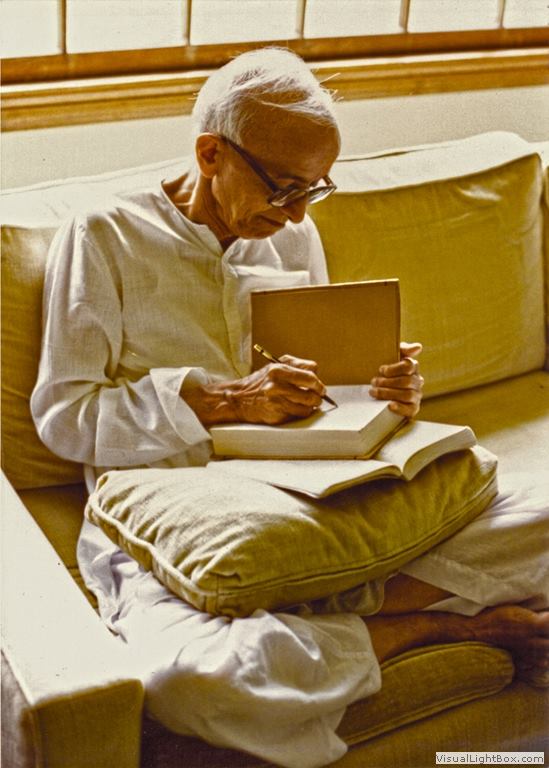 “તમે તો પૂર્વના છો ના, કે છો પશ્ચિમનાય ના,
 “આવવું ન આશ્રમે — મળે નહિ સ્વતંત્રતા!