

જુલીઓ રિબેરોનું નામ અજાણ્યું નથી. જૂની પેઢીના ચુનંદા આઈ.પી.એસ. અધિકારીઓમાં તેમનું નામ મોખરે છે. ઘણાં વર્ષો સુધી એમણે મુંબઈમાં પોલીસ-કમિશનર તરીકે કામ કર્યું. પંજાબ અને ગુજરાતનો કપરો સમય હતો, ત્યારે ત્યાં પણ એમણે થોડો વખત કામ કર્યું છે. ચાર-પાંચ દસકા પહેલાં મુંબઈમાં વિશિષ્ટ પ્રકારની ગુનાખોરી વકરી હતી. ખંડણી (ransom), ગેરકાયદે વસૂલી, કહેવાતા રક્ષણ માટે પૈસા પડાવવા (protection-money), ખર્ચાળ ભવ્ય લગ્ન કે એવા પ્રસંગે લાગો લેવો, ઉત્સવ-ઉજવણી માટે ઉઘરાણી, ટ્રેડ-યુનિયન્સ અને ગૅંગ્સની દાદાગીરી એવી તરાહ-તરાહની માફિયાગીરી ચાલતી હતી. કરિમ લાલા, હાજી મસ્તાન, દાઉદ, રાજન, છોટા શકીલ, સુભાષ ઠાકુર, અરુણ ગવળી, એવા કંઈક ‘ડોન’ કે ‘ભાઈ’ અને તેમની ટીખળીઓની જોહુકમી ચાલતી હતી. એ બધાને જેર કરવામાં રિબેરોનો મહત્ત્વનો ફાળો હતો. એમણે સાબદું પોલીસતંત્ર ઊભું કરેલું. કોર્ટે કાર્યવાહી માટે કાબેલ ટીમ તૈયાર કરી હતી. કુનેહ, બાહોશી, હિંમત અને પ્રામાણિકતાથી તેમણે ફોજદારી કાર્યવાહી સંગીન બનાવેલી.
નિવૃત્તિ પછીના જીવનનાં છેલ્લા વર્ષોમાં રિબેરો આજે ખિન્ન છે. દેશમાં પહેલી જ વાર તેઓ ખ્રિસ્તી લઘુમતીને હેરાન થતી જુએ છે. ખ્રિસ્તીઓને ધર્માંતર કરાવનાર વટાળપ્રવૃત્તિના વેપારી માનવામાં આવે છે. મધર ટેરેસા જેવા પર પણ કાદવ ઉછાળાય છે. ખ્રિસ્તી દેવળો પર હુમલા થયા કરે છે. ખિન્ન હૃદયે એમણે લેખો લખી હૈયાવરાળ કાઢી છે. વડાપ્રધાન સુધ્ધાંને પત્ર લખ્યો છે. આશ્વાસન મળ્યું છે, પણ સ્થિતિમાં ઝાઝો ફેર પડ્યો નથી.
સામાન્ય રીતે પોલીસતંત્રમાં ઉપરી અધિકારી અપ્રિય હોય છે, પણ રિબેરો એમાં અપવાદ છે. પોલીસતંત્રના તમામને રિબેરો માટે આદર અને પ્રેમ. કંઈ પણ મુશ્કેલી હોય તો અદના દરજ્જાનો પોલીસ કર્મચારી પણ રિબેરો પાસે જઈ શકે. રિબેરો તેને ધીરજથી સાંભળે, સાંત્વન, સાચી સલાહ, માર્ગદર્શન આપે અને હિંમત બઢાવે.
૨૫-૧૧-૨૦૦૮ના દિવસે આઈ.પી.એસ. અધિકારી હેમન્ત કરકરે રિબેરોને મળવા આવ્યા. હેમન્ત માટે રિબેરોને બહુ માન. રિબેરો હેમન્તનાં મોંફાટ વખાણ કરે. રિબેરો કહે છે હેમન્ત જેવા દક્ષ, નિષ્ઠાવાળા, ઈમાનદાર અને ફરજપાલનમાં ચુસ્ત અધિકારીઓ આજકાલ બહુ ઓછા મળે છે. તે દિવસે રિબેરોને હેમન્ત જરા બેચેન અને મૂંઝાયેલો લાગ્યો. હળવી વાતો કરી રિબેરોએ હેમન્તને નિરાંતવો (relax) કર્યો. પછી ખબર-અંતર પૂછ્યા.
હેમન્તે જે વાતો કરી તેનાથી રિબેરો ચોંકી ઊઠ્યા. હેમન્ત તે (૨૦૦૬ના) અરસામાં ઍન્ટિ-ટેરરિઝમ-સ્ક્વૉડ (એ.ટી.એસ.)નો વડો હતો. ૮-૯-૨૦૦૬ના દિવસે માલેગામમાં ચાર બૉંબધડાકા થયા. ૩૧ જણ માર્યા ગયા અને ૩૧૨ ઘાયલ થયા હતા. સ્થાનિક માહિતી મળ્યા પ્રમાણે પોલીસે નવ મુસ્લિમ યુવકોની ધરપકડ કરી તેમને કસ્ટડીમાં લીધા. પાકિસ્તાનના આતંકવાદીઓ અને ‘સીમી’ જેવા કેટલાંક ભારતીય મુસ્લિમ સંગઠનો આવાં કામોમાં સામાન્ય રીતે કાર્યરત હતા. તેથી મુસ્લિમ યુવકોને પકડવાનું પોલીસનું પગલું હેમન્તને વાજબી લાગ્યું.
એની આદત પ્રમાણે હેમન્તે પછી ઝીણવટભરી પૂછપરછ અને નિષ્પક્ષ તપાસ કરી. તેને જણાયું કે પકડેલા નવ મુસ્લિમોને ધડાકાઓ સાથે સ્નાનસૂતકનો સંબંધ નહોતો. પુરાવાઓથી સ્પષ્ટ થયું હતું કે કોઈ હિંદુજૂથનું આ કરતૂત હતું. સાચા આરોપી જણાતા હતા તેવા કેટલાક કટ્ટર હિંદુઓને હેમન્તે પકડ્યા. એમાંના એક અસીમાનંદે નિવેદનમાં કબૂલ્યું, ‘જૂન ૨૦૦૬માં ભરત રાતેશ્વરના ઘરે વલસાડમાં અમારી મિટિંગ મળી હતી. તેમાં મેં કહ્યું કે માલેગામમાં ૮૬ ટકા વસતી મુસલમાનોની છે. તેથી બૉંબ ફેંકવા માલેગામને પસંદ કરીએ. તે મુજબ ૮-૯-૨૦૦૬ના દિવસે માલેગામમાં બૉંબ ફેંક્યા.’ અલબત્ત પાછળથી સાક્ષી તરીકે અસીમાનંદ ફરી ગયો. ‘હૉસ્ટાઇલ’ સાક્ષીઓનું જાણીતું પોપટવાક્ય બોલ્યો, ‘બળજબરીથી મારું નિવેદન લેવાયું છે.’
માલેગામ પછી આ નવા આતંકવાદનો સીલસીલો ચાલુ રહ્યો. ૧૮-૨-૨૦૦૭ના દિવસે સમઝૌતા એક્સપ્રેસના બે કોચમાં બૉંબધડાકા થયા. ૬૮ માણસો માર્યા ગયા. ૨૦૦૭માં મક્કા મસ્જિદમાં અને અજમેર શરીફમાં બૉંબ ફૂટ્યા. ૨૦૦૮માં ફરી માલેગામમાં અને મોડાસામાં બૉંબ- ધડાકા થયા. પકડાપકડી, કબૂલાતો, સાક્ષીઓનું ફરી જવું. અત્યાર સુધીમાં ૧૮ સાક્ષીઓ ‘હૉસ્ટાઇલ’ થઈ ફરી ગયા છે. અને હજી તો મજલ લાંબી છે એ બધું કાયદાની વિધી પ્રમાણે ચાલ્યા કરશે. પણ હેમન્ત કેસ જડબેસલાક કરી રહ્યો હતો, પૂરતા પુરાવા એકઠા થયા હતા. એક આરોપી સુધારક ત્રિવેદીને પકડ્યો. એનું લેપટૉપ જપ્ત કર્યું. ઘણી પ્રિન્ટ્સ, ટેપ્સ મેળવી. લેફ્ટ કર્નલ પ્રસાદની ધરપકડ કરી. રિબેરોનું માથું ચકરાઈ ગયું. ‘He was staggered’.
થોડી વાર પછી હેમન્તે વાત આગળ ચલાવી. પ્રિન્ટ્સ, ટેપ્સ, કાગળિયા બધા પુરાવા લઈ હેમન્ત રોહિણી સેલીઅનને મળવા ગયો. આ નામ આપણે ત્યાં ઘણા માટે અજાણ્યું હશે, પણ મુંબઈના ન્યાયજગતમાં ન્યાયમૂર્તિઓ, વકીલો, પોલીસો, નામીચા ગુનેગારો અને માફિયાવર્લ્ડમાં આ નામ આદર, અહોભાવ … અને ભયથી લેવાય છે. ૬૮ વર્ષનાં રોહિણી છેલ્લાં ૩૫ વર્ષથી ફોજદારી કોર્ટોમાં અગ્રણી વકીલ છે. તેથી જ મુંબઈ જેવા શહેરમાં છેલ્લાં કેટલાં ય વર્ષથી સરકારના ફોજદારી કેસો ચલાવનાર મુખ્ય ધારાશાસ્ત્રી (Chief Public Prosecutor) છે. તેમણે માફિયાઓ સહિત અનેક જાણીતા ગુનાખોરો સામે કેસ ચલાવ્યા છે અને અસંખ્યને જેલભેગા કર્યા છે. હજી હમણાં જ સરકારી વકીલ તરીકે તેમણે રાજીનામું આપી દીધું છે. એ રાજીનામા પાછળ પણ એક કહાણી છે, તે આપણે આગળ જોઈશું.
હેમન્ત કરકરે રોહિણી પાસે એટલા માટે ગયેલો કે તેની ઇચ્છા હતી કે રોહિણી માલેગામ-જૂથના કેસો સરકાર વતી લડે. એ ગુનેગારોને આકરી સજા થાય અને આ નવો આતંકવાદ ઊગતા જ ડામી દેવાય. હેમન્તને મન હિન્દુ અને આતંકવાદ એ બે વિરોધી સંજ્ઞાઓ છે, વ્યદતોવ્યાઘાત (contradiction in terms) છે. સાચો હિંદુ કદી આતંકવાદી ન હોય. પણ રોહિણીએ હેમન્તની ઇચ્છા પર ઠંડું પાણી રેડ્યું. એણે કહ્યું, ‘બોગસ કેસોથી હવે હું ત્રાસી ગઈ છું. મેં રાજીનામું આપી દીધું છે, હવે હું બચાવ પક્ષે લડવાની છું.’
હેમન્ત અવાક્ થઈ ગયો. એણે રોહિણીને સમજાવી. આ સાચા હચમચાવી મૂકે એવા જુદા પ્રકારના કેસો છે. માંડ-માંડ રોહિણી માની. પુરાવા અને કાગળિયા, નિવેદનો વગેરે જોવા તૈયાર થઈ. તેણે કેટલાક પુરાવા, પ્રિન્ટ્સ વગેરે જોયા. એટલાથી જ એ સડક થઈ ગઈ. ઉપર ઉપરથી જ બધાં સાહિત્ય પર નજર ફેરવતા અડધી રાત થઈ ગઈ. બંનેએ ફરી મળવાનો સમય અને તારીખ નક્કી કર્યાં.
બીજે દિવસે સવારે રોહિણી વહેલી ઊઠી અને કાગળો, પુરાવા ઝીણવટથી જોવાનું, વાંચવાનું શરૂ કર્યું. એનું લાગણીતંત્ર હચમચી ઊઠ્યું. એ રડી પડી. પણ રોહિણી સ્વતંત્રમિજાજની, મક્કમ અને બુદ્ધિથી ચાલનારી નારી છે. એ કહે છે કે એ ‘પાક્કી હિન્દુ છે. પાક્કી એટલે સાચી. ગુનેગાર એટલે ગુનેગાર. એનો ધર્મ, જાતિ, જ્ઞાતિ, સંબંધ નહીં જોવાનો. ગુનેગાર એટલે ગુનેગાર, એટલું સમજી એની પાછળ પડી જવાનું અને તેને જેર કરવાનો’. પણ મન ખુલ્લું રાખવાનું. એ નિર્દોષ જણાય તો એને બચાવવાનો, છોડવાનો.
દરમિયાન સરકારે આ બધા માલેગામજૂથ સાથે સંકળાયેલા કેસો નેશનલ ઇન્વેસ્ટિગેશન એજન્સી(NIA)ને સોંપ્યા, પોલીસતંત્ર અને રોહિણીનો સ્પષ્ટ અભિપ્રાય હતો કે પહેલા પકડેલા નવ મુસ્લિમ યુવકોને છોડી દેવા. તેમની સામે કોઈ પુરાવા નહોતા, કોઈ કેસ નહોતો, પણ એન.આઈ.એને. તે સલાહ માન્ય નહોતી. પાછળથી તે નવ જણે જામીન માટે સ્વતંત્ર અરજી કરી. કોર્ટે એ સૌને જામીન પર છોડ્યા. બીજાં કબૂલાતનામાંઓ અને આધારો પર બીજાં ચાર આરોપી પકડાયા – સુનીલ જોષી, રામચંદ્ર કલસાંગરા, રમેશ મહાલકર અને સંદીપ ડાંગેનાં નામ ઉમેરાયાં.
હેમન્ત રિબેરોને મળવા ૨૫-૧૧-૨૦૦૮ના દિવસે ગયો હતો. રોહિણીએ કહેલી તમામ વાત રિબેરોને વિગતવાર કહી. રોહિણીએ સરકાર પક્ષે લડવાની તૈયાર બતાવી હતી. રિબેરોને રોહિણી માટે પણ એટલું જ માન હતું. એ કહેતા કે જેટલો પોલીસના તપાસતંત્રમાં હેમન્ત કાબેલ, બાહોશ અને પ્રામાણિક છે, તેટલી જ રોહિણી ફોજદારી કેસ ચલાવવાની કાર્યવાહીમાં કુનેહવાળી, ચતુર અને ઈમાનદાર છે. આ બંનેની જોડી હોય, તો કોઈ ગુનેગાર છટકી શકે નહીં. રિબેરોએ કહ્યું, ‘હેમન્ત, હવે શી ફિકર છે. જા બેટા, ફતેહ કર.’
હેમન્તે ક્ષુબ્ધ સ્વરે કહ્યું, ‘મુશ્કેલી ઉપરથી છે.’ માલેગામ-જૂથના કેસોની મારી કામગીરીથી કેટલાક ભા.જ.પ.ના નેતાઓ નારાજ છે. ખાસ કરીને એલ.કે. અડવાણીએ કહ્યું કે મેં કેસોને જે રીતે ટર્ન આપ્યો છે, તેનાથી તે બહુ નાખુશ છે. રિબેરોએ હેમન્તની હિંમત બઢાવી. સલાહ આપી કે તારે તારો પોલીસધર્મ બજાવવાનો. રાજકારણ, ધર્મ, જાતિ, જ્ઞાતિ કે દબાણ કશું વચ્ચે ન લાવતો. તું કહેતો હોય તો હું અડવાણીને વાત કરું …
પણ ન જાણ્યું જાનકીનાથે સવારે શું થવાનું છે. બીજે દિવસે ૨૬-૧૧-૨૦૦૮ની સાંજે-રાતે દરિયા મારફત હોડીમાં પાકિસ્તાની આતંકીઓ આવ્યા. તેમણે બોરીબંદર સ્ટેશન (VT), તાજ હોટેલ, નરિમાન હાઉસ વગેરે જાહેર સ્થળોએ આડેધડ ગોળીબારો કરી ઘણાને મોતને ઘાટ ઉતાર્યા. હાહાકાર મચી ગયો. એ આતંકીઓને જેર કરવાની મુંબઈની પોલીસ ટીમમાં હેમન્ત કરકરે પણ હતા. કસાબ અને આતંકી ટોળકી સામેના ધીંગાણામાં જાંબાઝ પોલીસ-અધિકારી હેમન્ત કરકરે ગોળીનું નિશાન બન્યા, માર્યા ગયા, શહાદતને વર્યા. એક વીર પોલીસ અધિકારી ધૂપ થઈને ઊડી ગયો. રિબેરોએ અડવાણીને હેમન્ત વિશે વાત કરવા જેવું રહ્યું નહીં.
હવે કેસોનું સુકાન એકલાં રોહિણી સેલીઅનના હાથમાં હતું. ગયા વર્ષે મે, ૨૦૧૪માં કેન્દ્રમાં નવી સરકાર આવી. તેની પછી થોડા જ સમયમાં રોહિણી પર એન.આઈ.એ.ના એક અધિકારીનો ફોન આવ્યો. એણે કહ્યું કે એ આવીને રોહિણી સાથે વાત કરવા માગે છે. રોહિણી સમજી ગઈ એ અધિકારી જે કહેવું છે, તે ફોન પર કહેવા માગતા નથી. એ અધિકારી પછી મળવા આવ્યા અને કહ્યું કે તમને આપવાનો એક સંદેશો છે, તમારે આ (માલેગામ જૂથ) કેસોમાં કૂણાં રહેવું. (‘You should go soft’)
એકાદ વર્ષ પછી આ વાત રોહિણીએ બહાર પાડી. જણાવ્યું કે કેસોમાં કૂણા રહેવાની સૂચના એન.આઈ.એ. તરફથી તેને મળી છે. જાણે કે બૉમ્બ ફૂટ્યો. ત્રીસ વર્ષથી સરકારી વકીલાત કરીને. જેણે નામના અને સફળતાની અજબ પ્રતિષ્ઠા મેળવી હતી, તે બાહોશ સ્ત્રીનું આ કથન હતું. બીજે જ દિવસે એન.આઈ.એ. આવો સંદેશ આપ્યાનો ઇન્કાર કર્યો. રોહિણીએ કહ્યું મેં વર્ષો સુધી વકીલાત કરી છે. પુરાવા વગર ન બોલવું તે હું જાણું છું. વર્ષ પહેલાં સંદેશો મળ્યો. પુરાવા ‘એ પહેલો સંકેત હતો. એ વિશે બોલવાનો સમય પરિપક્વ નહોતો થયો … એમના તરફથી તેમના ઇરાદાના પુરતા પૂરાવા મળે તેની મેં રાહ જોઈ. વર્ષ દરમિયાન એ પુરાવા મળ્યા.’
૧૨-૬-૨૦૧૫ના દિવસે એન.આઈ.એ.ના એ જ સંદેશવાહક અધિકારી રોહિણી સેલીઅનને મળવા આવ્યા એમણે કહ્યું, ઉપરથી સૂચના આવી છે. તમારે બદલે કેસોમાં અન્ય વકીલ સરકાર વતી ઊભા રહેશે. રોહિણીએ કહ્યું, ‘સારું, હું આ સૂચનાની અપેક્ષા જ રાખતી હતી. હું એની જ રાહ જોતી હતી’ અને આમ વર્ષો જૂનો મહારાષ્ટ્ર સરકાર અને રોહિણી સેલીઅનનો સંબંધ પૂરો થયો.
રાજકારણીઓ એ કહેવા માટે જાણીતા છે. – Law will take its due course. કાયદો એની વિધિ પ્રમાણે ચાલશે. રિબેરોની ફિકર એ છે કે ગુનેગારોને યેન-કેન-પ્રકરેણ બચાવવાથી આ પ્રકારની ગુનાખોરી વધશે. ન્યાયતંત્રમાં આજે ય વધી પડેલા ખોટા તપાસ-અધિકારીઓ અને ભ્રષ્ટાચારી તંત્રમાં ઓર વધારો થશે. આજે આપણે પાકિસ્તાનને આતંકવાદીઓને રક્ષવા, બચાવવા અને નવાજવા નિંદીએ છીએ. આપણી પણ એ જ દશા થશે. કાયદા અને ન્યાયને પ્રછન્ન રીતે ચાતરનારા પોતાની ગરીમા ગુમાવશે. કંઈ નહીં તો હેમન્ત કરકરેની શહાદતને ગૌરવ અને માન બક્ષવા કાયદા અને ન્યાયના શાસનને સ્થાપીએ ને સ્થિર કરીએ.
e.mail : mdave.swaman@gmail.com
(“ઇન્ડિયન એક્સપ્રેસ”માં પ્રગટ થયેલા જુલીઓ રિબેરો અને સ્મિતા નાયરના લેખો, રોહિણી સેલવાનનો ઇન્ટરવ્યૂ અને માલેગામ જૂથના આંતકી બનાવોના અહેવાલોની સંકલિત કેફિયત.)
સૌજન્ય : “નિરીક્ષક”, 16 અૉગસ્ટ 2015; પૃ. 07-08

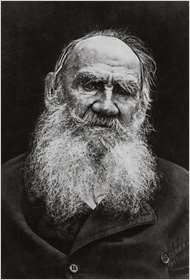 રશિયન લેખક લિયો ટોલ્સ્ટોય આ સદીના મહાન સાહિત્યકારોમાંના એક છે. તેમની બે નવલકથાઓ 'વોર એન્ડ પીસ' અને 'એન્ના કેરેનીના' જગતની ઉત્કૃષ્ટ નવલકથાઓમાં સ્થાન પામે છે. ટોલ્સટોય ભરજુવાનીમાં દોમદોમ સાહ્યબી છોડીને મજૂરી કરવા માંડયા હતા. એ વખતે તેમના મનમાં વિચારોનું જે વાવાઝોડું સર્જાયું હતું એ તેમણે 'વોટ શેલ વી ડુ ધેન?' પુસ્તકમાં કેન્દ્રિત કર્યું છે.