

Opinion Magazine
Number of visits: 9772466
  •  Home
  • Opinion
    • Opinion
    • Literature
    • Short Stories
    • Photo Stories
    • Cartoon
    • Interview
    • User Feedback
  • English Bazaar Patrika
    • Features
    • OPED
    • Sketches
  • Diaspora
    • Culture
    • Language
    • Literature
    • History
    • Features
    • Reviews
  • Gandhiana
  • Poetry
  • Profile
  • Samantar
    • Samantar Gujarat
    • History
  • Ami Ek Jajabar
    • Mukaam London
  • Sankaliyu
    • Digital Opinion
    • Digital Nireekshak
    • Digital Milap
    • Digital Vishwamanav
    • એક દીવાદાંડી
    • काव्यानंद
  • About us
    • Launch
    • Opinion Online Team
    • Contact Us

A most wanted man

Inder Malhotra|English Bazaar Patrika - Features|10 November 2014

In the 1967 election, the first without Nehru, the Congress tally plummeted

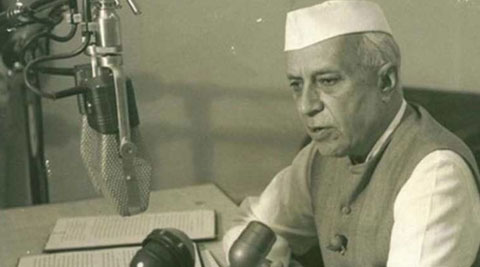
On Jawaharlal Nehru’s 125th birth anniversary, rather than write a comprehensive article on the life and leadership of independent India’s first and incomparable prime minister yet again, I intend to give readers, especially the young ones, some glimpses of the personality of the second greatest Indian of our times, after the Mahatma. So here goes the first of the series, focused on Nehru’s phenomenal and matchless popularity with the masses.
In November 1937, in the Calcutta-based and highly respected magazine Modern Review, appeared an anonymous article on Nehru, arguing that men like him were “dangerous” and potential “dictators”. “From the North to Cape Comorin,” said the article, “he has gone like some triumphant Caesar, leaving a trail of glory and a legend behind him. Is it just a passing fancy or is it his will to power that is driving him from crowd to crowd… He calls himself a democrat and a socialist and no doubt he does so in all seriousness… but a little twist and he might turn into a dictator… His conceit is already formidable. It must be checked. We want no Caesars”. It soon became known that the author of this denunciatory article was none other than Jawaharlal, and the matter was laughed out. Indeed, he was soon re-elected Congress president for the third time.

Even as a schoolboy then I used to hear my father and his friends discuss “Panditji’s astonishing popularity”. By the time I joined college, I also joined all those who would travel scores of miles to hear Nehru if he was speaking or simply to catch a glimpse of him, if he was merely passing through. After a long but unsuccessful search for a job in journalism barely two years after Independence and Partition, I had a stroke of luck. A rather impecunious news agency, the United Press of India, gave me a job after making sure that I could report not only Nehru’s speeches in Hindi but also those of Maulana Azad in Urdu. No break could have been better than this because, for over five years, I travelled with or ahead of the prime minister across the country and watched the magical mutual relationship between him and the large crowds that waited for him patiently for hours, regardless of how inclement the weather was.

Often I wondered why he chose to speak on subjects that were way above the heads of his huge and adoring audiences: the need for planning; the newly built dams being the temples of the new age; his reasons for pleading for China’s admission to the UN and so on.

Perhaps he believed that, in a largely illiterate country, the spoken word was the best medium to convey his message to his people.

However, only during the last decade, when no one in the UPA government thought it necessary to explain anything to the people at large, did I realise how right Nehru was.

By the time the Constitution came into force on January 26, 1950, Nehru had totally disproved his self-analysis in Modern Review. Far from becoming a dictator — which he could have done easily, like his two contemporary leaders of freedom movements, Sukarno in Indonesia and Kwame Nkrumah in Ghana — he built India up as the world’s largest democracy. This process took a huge leap forward with the first general elections in this country in 1952, when his contact with and appeal to his people also took a big stride. He won the first three general elections hands down, almost single-handedly, as a famous cartoon by the country’s premier cartoonist, R.K. Laxman, depicted at the height of the campaign for the first poll. In the 1967 election, the first without Nehru, the Congress tally plummeted.

Interestingly, in his book India After Gandhi, published in 2007, Ramachandra Guha wrote that the “extraordinary popular appeal of the prime minister” could be best captured “in the testimony of the confirmed Nehru-baiter D.F. Karaka, editor of a popular Bombay weekly, the Current”. Guha has then quoted at some length how Karaka had reported Nehru’s first election speech in Bombay at Chowpatty beach to an enormous and enthusiastic crowd. Karaka first noted — “no doubt to his regret” — the “instant affinity between the speaker and his audience” and then went on calculating how many votes had been swung to Nehru’s favour by his every sentence. The climax was reached, in Karaka’s view, at the twilight hour, when Nehru told the gathering that he had taken upon himself the “role of a mendicant beggar”. Amidst wild cheers he added, “If at all I am a beggar, I am begging for your love, your affection and your enlightened cooperation in solving the problems facing the country.” The crowds were deeply moved and he, in turn, was moved by them. For Karaka, however, the election was over.

At an elite meeting in the national capital, Nehru had once said: “Delhi is a static city with a dead atmosphere. I therefore go out and see masses of people, my people, your people and derive inspiration from them. There is something dynamic and growing with them and I grow with them. I also enthuse with them.” What he wrote to Lady Edwina Mountbatten after the meeting in Bombay is even more eloquent: “Wherever I have been, vast multitudes gather at my meetings and I love to compare them, their faces, their dress, their reactions to me and what I say… I rather enjoy these fresh contacts with the Indian people… The effort to explain to them in simple language our problems and our difficulties, and to reach the minds of these simple folk, is both exhausting and exhilarating. As I wander about, the past and the present merge into one another, and this merger leads me to think of the future.”

The writer is a Delhi-based political commentator.

courtesy : http://indianexpress.com/article/opinion/columns/a-most-wanted-man/#sthash.mB7xvpiU.dpuf

“The Indian Express”, November 10, 2014

Loading

Targeting Nehruvian Legacy?

Ram Puniyani|English Bazaar Patrika - OPED|10 November 2014

The debates about India’s partition, Gandhi murder and policies of Nehru have been a matter of ceaseless debates. Each political tendency has their own interpretation of these events, which in a way are landmarks of sorts in modern Indian History. As such the phenomenon of Partition of India and assassination of Gandhi are interwoven in the sense that Godse held Gandhi responsible for appeasement of Muslims. Godse constructed his story around warped understandings of the events of the time to create the ground for murder of the Mahatma. These views are shared by many Hindu nationalists, who are in and around RSS-BJP. Now with the ascendance of BJP to the seat of power many of its leaders are coming out more boldly with Hindu nationalist interpretation of the events, but a twist is being added. This twist is apparent in the article by a BJP leader from Kerala in the RSS mouth piece Kesari.  This article indirectly suggests that Nathuram Godse should have killed Jawaharlal Nehru instead of Mahatma Gandhi, as according to him the real culprit was Nehru and not Gandhi.

The BJP leader who wrote this is B Gopalkrishnan. He says "If history students feel Godse aimed at the wrong target, they cannot be blamed. Nehru was solely responsible for the partition of the country.” What does one make of it? Is it the official RSS line? To be on the safe side RSS spokesperson Manmohan Vaidya has distanced the RSS from the statement of its leader. Still it is not difficult to guess that there may be prevalence of such thinking within the RSS circles on the lines of the author of RSS mouthpiece article. This Kesari article is significant as it is trying to shift the blame from Gandhi to Nehru. It may not be too difficult to understand the reason for the same. Before we have a look at who was responsible for partition, let’s try to understand why the blame is being shifted from the Mahatma to Nehru. Recently Narendra Modi launched Swachh Bharat Abhiyan (Clean India campaign) on 2nd October as a tribute to the father of the nation, Gandhi. This move has two shrewd aims. One is to appropriate Gandhi for the politics of Hindu nationalism; two is to reduce Gandhi’s contribution to mere cleanliness and hygiene. This over projection of cleanliness associated with Gandhi as such dwarfs the major contribution of Gandhi, Hindu Muslim unity and national integration in the deepest possible sense.

Nehru’s staunch and principled commitment to Indian nationalism, pluralism, secularism and scientific temper make him a figure totally unacceptable to Hindu nationalists, as Hindu nationalism stands for the values totally opposed to these. So the attempts like this article are planned attempts for tasting of waters by throwing up Nehru’s name as the culprit for the partition tragedy.

As such Gandhi, Nehru and Patel were the most prominent leaders of the anti colonial freedom movement. Gandhi was the central pillar, who built up the anti-British-Indian nationalist mass movement, gave it solid foundations and then gradually became the moral guide for the same. He passed the major mantle of his responsibilities to Nehru and Patel. Most of the times Hindu nationalists, Hindu Mahasabha-RSS, were critical of Gandhi’s efforts for Hindu Muslim unity. The Muslim communal stream, Muslim League looked at Congress as a party representing Hindus alone. The truth is that majority of people from all religions were with the Gandhi led movement for Indian nationalism. It is only after 1940s that more Muslims started shifting to Muslim League due to the rise of communalism.

Gandhi was criticized by both communal streams, Hindu communal stream criticized him for appeasing Muslims, and Muslim communalists called him a Hindu representative. Partition was due to multiple factors. The first and foremost of these was the machination of British policy of ‘divide and rule’ which strengthened the communal streams-Muslim and Hindu both. Secondly British had an agenda of colonial masters. They perceived that a united India will be a power in its own right, more likely to ally with Soviet Union in global bipolar world. Their perception was due to the presence of a significant Left wing in the Indian National Congress led by Nehru himself.

Partition tragedy was multi layered phenomenon, which cannot be reduced to a single incident. Many such incidents had their own impact on the totality of the phenomenon of course. We need to see the deeper differences between the Indian nationalists on one hand and Religious nationalists (Muslim League-Hindu Mahasabha) on the other and the clever role of British in partitioning the nation. That should be central to understanding the process, rather than putting the blame on any single individual.

As per the perception of Hindu communal stream so far it was supposed to be Gandhi who was responsible for partition and for appeasement of Muslims, now this stream is trying to shift the blame on to Nehru as they need Gandhi as an icon, though freed from his core virtues of truth and non violence, reduced to mere ‘cleanliness man’. In no way they can appropriate Nehru, as Nehru lived after Independence to nurture the values of Indian nationalism, pluralism, liberalism and diversity, the principles which were the cementing factors of Indian national movement, the biggest ever mass movement in the World. So this Keasri, RSS mouthpiece article and the façade of its being disowned!

Loading

નરેન્દ્ર મોદી અને ઇન્દિરા ગાંધી વચ્ચે સામ્ય

પરેશ ર. વૈદ્ય|Samantar Gujarat - Samantar|9 November 2014

16મી લોકસભાની ચૂંટણીના માહોલમાં લખાયેલો લેખ. એ વખતે વધુ લેખોના ભારણ તળે પ્રકાશિત ન થઈ શક્યો, પરંત 01 અૉક્ટોબર 2014ના “નિરીક્ષક”માં નરેન્દ્ર મોદીની વડા પ્રધાન બન્યા પછીની કાર્યશૈલી વિશેનો લેખ [કોની સરકાર … લે. રમેશ ઓઝા] પ્રકાશિત થતાં તેના પૂર્વસંધાન રૂપે આ લેખ. : તંત્રી – પ્રકાશ ન. શાહ

હાલની ચૂંટણીના સંદર્ભમાં જોઈએ તો એમ લાગે છે કે નરેન્દ્ર મોદી માટે દુશ્મન નંબર વન એક ગાંધીપરિવાર છે. છેલ્લાં ચાર વર્ષમાં ભલે નરેન્દ્ર મોદીએ મનમોહનસિંઘની ટીકા કર્યે રાખી, પરંતુ છેલ્લા બે માસમાં તેમનું નામ એક વાર પણ નથી લીધું. દરેક જાહેરસભામાં એ ગાંધીપરિવારનાં ચારે જણાં (R.S.V.P.) વિષે કશુંક કહેતા રહ્યા, પરંતુ આ તિરસ્કારમાં એક છૂપો વદતો વ્યાઘાત છે. તે એ કે મોદીની કાર્યશૈલી અને વ્યક્તિત્વ પર ગાંધીપરિવારનાં મુખ્ય વડીલ ઇન્દિરા ગાંધની છાપ દેખાય છે. કટોકટી દરમિયાન ઇન્દિરા ગાંધીનો પૂરો વિરોધ કરનાર નરેન્દ્ર મોદી એમને આદર્શ માને તેવું તો ન બને. પરંતુ અહીં નીચે લખેલા કેટલાક એવા મુદ્દા છે જે સ્પષ્ટ રીતે ચલિત કરે છે કે બંનેમાં ભારોભાર સામ્ય છે. આમ, અજાણતાં બંધાઈ ગયેલી કંઠીનું કારણ મનોવિશ્લેષકો શોધી શકે …

અતિ મહત્ત્વાકાંક્ષા

બંનેમાં દેખાતો આ એક ગુણ એવો છે કે તેના બળે બાકીનાં સામ્યો આપોઆપ પેદા થાય છે. મૅનેજમેન્ટના નિષ્ણાતો મહત્ત્વાકાંક્ષાને ખરાબ નથી ગણતા. કહે છે કે એ વ્યક્તિના વિકાસ માટે ચાલના પૂરી પડે છે. પરંતુ ઇન્દિરા ગાંધી અને નરેન્દ્ર મોદીના કિસ્સા તીવ્ર મહત્ત્વાકાંક્ષાના છે. તેનાથી કદાચ તેઓનાં વ્યક્તિત્વ ઘડાયાં હશે, પરંતુ બંને જે વ્યવસ્થાનાં એક ઘટક છે, તેની તો ઘોર ખોદી છે. મહત્ત્વાકાંક્ષાનું જો ભૂત ભરાય (obsession) તો ઘણા બીજા અવગુણોની ગંગોત્રી બને છે. જે અનૈતિક હથિયાર વાપરવાં પડે તેનાથી દેશ ઉપરાંત વ્યક્તિનું પોતાનું પણ લાંબે ગાળે નુકસાન થાય છે. ઇન્દિરા ગાંધીને પણ આ વાત ૧૯૭૭ની હાર પછી થોડી સમજાઈ હતી. સત્તાની મહત્ત્વાકાંક્ષા માટે તેમણે ૮૪ વર્ષ જૂની કૉંગ્રેસને તોડી, કટોકટી લાદી અને વૃદ્ધ નેતાઓને જેલમાં નાંખ્યા. આ પ્રક્રિયામાં પોતાની છબી બગાડી અને ખરા મિત્રો ગુમાવ્યા. નવી સમજણ આવ્યા પછી ૧૯૮૦-૮૪માં તેમના શાસનકાળમાં ઘણી નમ્રતા આવી ગયેલી, પરંતુ ત્યાં સુધીમાં તેમણે સિદ્ધાંતહીન રાજકારણના ભરપૂર પાઠ ભણાવેલા, જેનાં ખાટાં ફળ રાજકીય વૃક્ષ પર આજ સુધી બેસતાં રહ્યાં છે.

વિરોધી મતનો નાશ

મહત્ત્વાકાંક્ષાને કારણે કે પછી ઘમંડી સ્વભાવને કારણે, બંને નેતાઓથી વિરોધ સહન નથી થયો. વિરોધના અભિપ્રાયને બદલે તેને વ્યક્ત કરનારને જ માર્ગમાંથી હટાવવાની નીતિ બંનેની રહી છે. ઇન્દિરા ગાંધીએ કૉંગ્રેસની દ્વિતીય હરોળ આખી કરી પાંખી, તેથી જ તેની સત્તા ક્રમશઃ બધાં રાજ્યોમાંથી નાબૂદ થતી ગઈ. નરેન્દ્ર મોદીના કારણે ગુજરાત ભાજપ પક્ષના બે-ત્રણ ટુકડા થઈ ગયા. પક્ષના રાષ્ટ્રીય સ્વયંસેવક સંઘ અને વિશ્વ હિન્દુ પરિષદ જોડેના સંબંધો વણસ્યા. સંજય જોષીનું પ્રકરણ તો તાજું છે, પરંતુ કેશુભાઈ, સુરેશ મહેતા, પ્રમાણમાં ગડકરી, નીતિન એ બધાએ આ રૂપ જોયું. જો નરેન્દ્ર મોદી કેન્દ્રમાં જાય, તો આ ‘ગુણ’ને ગાંધીનગરમાં છોડીને જાય તો જ સફળ થાય.

એકહથ્થુ સત્તા

કંઈક અંશે આ ઉપરના મુદ્દાને મળતો જ મુદ્દો છે. આપખુદશાહી અને લોકશાહી બંને જોડાજોડ ન રહી શકે. કેન્દ્રના વાણિજ્ય- મંત્રીશ્રી આનંદ શર્માએ રાજ્યસભા ટેલિવિઝનને ગયા પખવાડિયે કહ્યું તે સાચું હોય તો અહીં લાગુ પડે છે. તેઓ કહે કે ગુજરાતના પ્રધાનમંડળમાં ગમે તેટલા પ્રધાન હોય કૅબિનેટ મિટિંગમાં બધાએ માત્ર મુખ્ય પ્રધાનને સાંભળવા જવાનું હોય છે અને જે કહે તે રીતે પોતાનું ખાતું ચલાવવાનું હોય છે. એટલે એકંદરે કૅબિનેટમાં એક જ પ્રધાન છે. વિધાનસભા વર્ષમાં સરેરાશ ૨૩ દિવસ માત્ર મળી છે, તેમાં ઘણું કરીને વિરોધપક્ષને કાઢી મુકાય છે અને પ્રશ્નકાળ છે જ નહીં ! કોઈને જવાબ આપવો એમને પસંદ નથી.

ઇન્દિરા ગાંધી પ્રધાનોનાં ખાતાં વારંવાર બદલતાં રહેતાં, જેથી કોઈ નેતા મજબૂત કે પ્રજાનો માનીતો ન થઈ જાય. વડાપ્રધાન એ ટીમનાં કૅપ્ટન છે, તેવી ભાવના તેમના સમયમાં ખતમ થઈ ગઈ; સરકાર તેમની માલિકીની છે અને પ્રધાનો પોતાનાં સ્થાન માટે તેમના ઋણી છે, તેવું લાગતું. આ વખતની ચૂંટણી લગભગ ‘પ્રમુખપદ’ના મૉડેલ પર થઈ હોવાથી આ ભાવના નૈતિક સ્તરે હવે વધુ કાયદેસર (legitimate) થશે ! એકલવ્ય નરેન્દ્ર મોદી આ બાબતે પોતાના દ્રોણાચાર્ય કરતાં સવાયા સાબિત થયા.

બંધારણનો અનાદર

એ તો જાણીતી વાત છે કે સૌથી મોટો સરમુખત્યાર હિટલર જર્મનીના બંધારણની મર્યાદામાં રહીને જ સત્તા પર આવેલો. ઇન્દિરા ગાંધી અને નરેન્દ્ર મોદીનાં પણ આ જ ઘટનાનાં ભારતીય દૃષ્ટાંતો છે. બંનેમાં આવડત છે કે કાયદાનો ખુલ્લો અનાદર કરવાને બદલે તેમાં છીંડાં શોધી તેનો ઉપયોગ કરવો. આ ચૂંટણીમાં લોકપ્રતિનિધિધારાનું વારંવાર ઉલ્લંઘન મોદી કરતા રહ્યા, છેક છેલ્લા દિવસ સુધી, જ્યારે તેમણે મોબાઇલ, ફોન પર સંદેશ મોકલ્યા.

ઇન્દિરા ગાંધીએ ૧૯૭૧માં સંસદ ભંગ કરી તે દેશ માટે પહેલો પ્રસંગ હતો. તે પછી પાંચ વર્ષે ૧૯૭૬માં ચૂંટણી ન કરાવી તે ય બંધારણમાં કટોકટી અંગે જે કલમો હતી, તે હેઠળ કટોકટીની જાહેરાત પણ બંધારણમાંનું છીંડું જ હતું. કારણ કે દેશમાં એવી કોઈ પરિસ્થિતિ નહોતી ઊભી થઈ, જે આ કલમનો ઉપયોગ વાજબી ઠરાવે, આમે ય એ જાહેરાત પ્રધાનમંડળની મંજૂરી લેવાયા પહેલાં જ થઈ હતી, તેથી ગેરકાયદેસર હતી.1 વડાપ્રધાન કે વડાપ્રધાન બનવાની તમન્ના રાખનાર જો પોતે રાજ્યબંધારણ અથવા કાયદાઓ માન ન રાખે અને છીડાં શોધે તો પ્રજા પાસેથી વધુ વફાદારીની આશા કેમ રાખે ?

પોતા સાથે પ્રેમ

એક ગ્રીક દંતકથાનો નાયક નારસીસ સરોવરમાં પોતાનું પ્રતિબિંબ જોઈ પોતાના જ પ્રેમમાં પડી ગયો હતો. તેથી આ લક્ષણને ‘નારસીસિઝમ’ કહ્યું છે. ઇન્દિરા અને નરેન્દ્ર મોદી પણ આ જ લક્ષણથી ગ્રસ્ત હતાં / છે. ગુજરાતની ચૂંટણીમાં પહેલી વાર મહોરાંનો ઉપયોગ થયો. (શ્રોતાઓને જોઈને ભાષણ આપવા કરતાં પોતાને જોઈને બોલવું સહેલું થતું હશે !) ત્રિ-પરિમાણી હોલોગ્રામથી પણ પોતે જ બધે પહોંચવું એ સારી ભાવના છે, પણ આ નવી નથી. ઇન્દિરા ગાંધીએ કટોકટીમાં પોતાનાં ચિત્રોની મૅગેઝિનો લહાણી કરાવ્યા પછી દેશમાં સેંકડો ‘લો પાવર ટ્રાન્સમીટર બેસાડી, રંગીની ટેલિવિઝન પર દર્શન દેવું પસંદ કરેલું.’ જોકે ટેલિવિઝનનાં ઇન્ટરવ્યૂ કે ભાષણોમાં એ મોદીની જેમ પોતાનું જ નામ વારંવાર ઉચ્ચારતાં ન હતાં !

નારસીસિઝમમાંથી જ કદાચ એક બીજી માનસિકતા વિકસતી હશે – તે પોતા પ્રત્યે ધ્યાન આકર્ષિત કરવાની. બાળકોમાં જેને attention seeking attitude કહે છે, તેવો અભિગમ આ બંનેમાં છે. તેમ કરતાં ક્યારેક નાટકનું તત્ત્વ પણ પેસી જાય ખરું. પ્રિયંકા ગાંધીની ‘નીચી કક્ષા’એ જ રાજનીતિ કરવાના આરોપને ઝડપી લઈ કેવો ‘નીચી જાતિ’ના આરોપમાં બદલી નાંખ્યો! ઇન્દિરા ગાંધી સભાઓને ઘણીવાર બરાડી બરાડીને કહેતાં કે ‘યહ લોગ મેરી હત્યા કરાના ચાહતે હૈં.’ ૧૯૭૭-’૮૦ના રાજકીય વનવાસ દરમ્યાન બેલછી નામે ગામમાં એક દલિતની હત્યા થઈ, તો હાથી પર બેસી એ ગામની મુલાકાતે ગયેલા તેમના પ્રથમ શાસનકાળ દરમિયાન ધડાકાભેર જાહેરાતોથી પ્રજાને ચોંકાવતા રહીને જ રાજ્ય કરેલું. કમનસીબે, હજુ લગી લોકો આવાં નાટકિયાવેડાંના પ્રભાવમાં આવી જાય છે.

હકારાત્મક સામ્યતા

આટલાં અનિચ્છનીય સામ્ય જોયા બાદ એક-બે ઉપયોગી સામ્ય પણ ગણાવવાં જોઈએ. બંનેની વહીવટી તંત્ર ઉપર પકડ સારી છે. ઇન્દિરા ગાંધીને તો એ વાતાવરણમાં ઊછરવાનો મોકો મળેલો, પરંતુ નરેન્દ્ર મોદીએ આ ક્ષમતા સંઘમાં કામ કરતા સ્વબળે મેળવી હતી. તે માટે પ્રશંસાને સ્થાન છે. તે રીતે બંને સારાં tactician – વ્યૂહરચનાકાર – નરેન્દ્ર મોદીએ તેનો ઉપયોગ માત્ર મહત્ત્વાકાંક્ષા માટે કર્યો. ઇન્દિરાએ શરૂઆતમાં તો આ ગુણનો ઉપયોગ રાજકીય કાવાદાવા ખેલવામાં જ કર્યો, પરંતુ જરૂર પડી ત્યારે દેશનાં હિતમાં વિદેશનીતિમાં તેનો સારો ઉપયોગ કર્યો. બાંગ્લાદેશની મુક્તિ તેનું જાણીતું ઉદાહરણ છે. ઍન્ટાર્કિટકા ઉપર આપણું કાયમી મથક સ્થાપવા જેવાં કેટલાંક વૈજ્ઞાનિક પગલાં પણ દૂરંદેશીવાળાં હતાં.

એમ તો ધર્મનો રાજકારણમાં ઉપયોગ કરવા બાબતે પણ બંનેમાં સામ્ય છે. પરંતુ અહીં બે મુદ્દા જુદા છે : એક કે આ કામ નરેન્દ્ર મોદીએ ઇન્દિરા ગાંધીમાંથી પ્રેરણા લઈને નથી કર્યું, એ પોતાની સંસ્થામાંથી વ્યવસ્થિત રીતે શીખીને આવ્યા છે. તો આ બાજુ ઇન્દિરાએ આ કામ આજની કૉંગ્રેસની જેમ અણઘડતાથી ન કર્યું. અંગ્રેજીમાં શબ્દ છે, subtle – તેમ સૂક્ષ્મ સંવેદનથી એ કરી ગયાં. મુસ્લિમો અને ખ્રિસ્તીઓ ૧૯૬૭ સુધી ક્રમશઃ દેશના મૂળ પ્રવાહમાં ભળી જવામાં હતા, ત્યાં તેમણે દરમિયાનગીરી કરી, એમની નીતિ અને ઉચ્ચારણોથી એ પાછા અલગ પડી ગયા અને છતાં આ કોણે કરાવ્યું તે ખબર ન પડી. નરેન્દ્ર મોદી માટે જરૂરી રહ્યું છે કે એ આ જ ખુલ્લંખુલ્લાં કરે, તો જ તેનો રાજકીય હેતુ સરે.

તફાવતો

આમ તો આ લેખનો હેતુ એ દર્શાવવાનો હતો કે નરેન્દ્ર મોદીની કાર્યશૈલી એમને ન ગમતી કૉંગ્રેસના જ એ મુખ્ય નેતાને મળતી આવે છે. પરંતુ આટલું કર્યા પછી બંનેનાં વ્યક્તિત્વના કેટલાક તફાવતો પણ બતાવવા જોઈએ :

૧. જાહેરસભાઓમાં ઇન્દિરા ગાંધી નાટકીય તત્ત્વ લાવતાં અને જરૂર પડે ઉશ્કેરાટથી અવાજ પણ ચડાવતાં. પરંતુ ભાષાનું ગરિમાસ્તર જાળવતાં. હલકા કે દ્વિઅર્થી શબ્દો, હુલામણાં કે અપમાનજનક નામો આપવાં, અંગત પ્રહાર કરવા એ બધું નરેન્દ્ર મોદીનું આપબળે શીખેલું છે, જેનું શ્રેય ઇન્દિરા ગાંધીને ન આપી શકાય.

૨. ઇન્દિરા ગાંધીમાં એક અસુરક્ષાની ભાવના હતી (paranoia). જેને લઈને તે સામા ઉપર પ્રહાર કરતાં. તેથી ઊલટું મોદી હંમેશાં આત્મવિશ્વાસમાં હોય છે. એ જો કોઈ પણ પ્રહાર કરે, તો તે ગણતરીથી હોય છે, ભયથી નહીં. (કદાચ એ સામા માણસને અસુરક્ષાની ભાવના અપાવતા હશે ?)

૩. ઇન્દિરા ગાંધીની આસપાસ જી-હજૂરિયાઓની એક રિંગ રહેતી (જેમાં મુખ્યત્વે પંજાબીઓ હતા). તેને પાર કરવા બધાં માટે શક્ય ન હતું. નરેન્દ્ર મોદીનો વિકાસ ગ્રાસરૂટ સંસ્થામાં થયો હોવાથી આવા હજૂરિયા તેમની ઇચ્છા વિના જમા ન થઈ શકે અને બહારની દુનિયાથી તેમને કાપી ન નાંખી શકે.

ઉપસંહાર

આવા થોડા તફાવતો ન ગણતાં નરેન્દ્ર મોદીનું વ્યક્તિત્વ અને કાર્યશૈલી જાણે ઇન્દિરા મૉડેલ પર જ ઘડાયાં છે તેમ દેખાય છે. જે પરિવારનો વિરોધ તેમનાં હાડમાં ઊંડે સુધી છે, તેના જ એક વડીલના જેવું પોતાનું વર્તન છે, તેવો કદી તેમને ખ્યાલ આવ્યો હશે ? અહીં એક બાજુ વાત સાબિત થાય છે કે સોનિયા ગાંધીએ પોતાનાં સાસુના પ્રભાવમાંથી પક્ષને છોડાવી લીધો છે. તેમનું પોતાનું વ્યક્તિત્વ પણ મહત્ત્વકાંક્ષા, કપટ કે નાટકબાજીથી ઉપર છે. કદાચ તેથી જ નરેન્દ્ર મોદી તેમને પ્રથમ દુશ્મન માને છે !

1. નવી પેઢીના વાચકોને કટોકટીની પશ્ચાદ્દભૂ ખબર ન હોય તો સંક્ષેપમાં તેનો ઇતિહાસ કરીએ : 1966માં શાસ્ત્રીજીના મૃત્યુ પછી ત્યારના કૉંગ્રેસ નેતાઓએ મોરારજીભાઈનો દાવો અવગણી ઇન્દિરા ગાંધીને વડાં પ્રધાનપદે બેસાડ્યાં, પરંતુ 1967ની ચૂંટણીમાં કૉંગ્રેસનો દેખાવ નબળો થયો. સત્તામાં રહેવા માટે હવે ડાબેરીઓનો ટેકો જરૂરી હતો. પોતાની ડાબેરી હોવાની છાપ ઊભી કરવા ઇન્દિરા ગાંધીએ બૅંકોનું રાષ્ટૃીયકરણ કર્યું, રાજાઓનાં સાલિયાણાં બંધ કર્યાં અને રાષ્ટૃપતિની ચૂંટણી માટે પક્ષના સત્તાવાર ઉમેદવાર સંજીવ રેડ્ડીની સામે મજૂરનેતા વી.વી. ગિરિને પોતાના ઉમેદવાર તરીકે ઊભા રાખ્યા. 1969માં કૉંગ્રેસના બે ટુકડા થયા. ત્યાર બાદ 1971ની ચૂંટણી, બાંગ્લાદેશ યુદ્ધ, પ્રચંડ ભાવવધારો અને છેલ્લે જયપ્રકાશ આંદોલન આવ્યાં. તેમાં ઉમેરાયો અલાહાબાદ હાઇકોર્ટનો ચૂકાદો, જેથી ઇન્દિરા ગાંધીની ચૂંટણી રદ જાહેર થઈ તે સાથે લોકશાહી અૌચિત્યની રીતે કામ ન લેતાં ઇન્દિરાજીએ કટોકટી લાદી પોતાની સત્તા જાળવવાનો રાહ લીધો હતો.

ફ્લેટ નં. ૩, પ્લોટ-૧૧૦, સેક્ટર-૨૮, વસઈ (નવી મુંબઈ) – ૪૦૦ ૭૦૩

સૌજન્ય :”નિરીક્ષક”, 01 નવેમ્બર 2014, પૃ. 06 – 07 અને 10

Loading

...102030...3,9313,9323,9333,934...3,9403,9503,960...

Search by

Opinion

  • તમાકુ ને પ્લાસ્ટિક : સઘળું ઇલાસ્ટિક !
  • યુદ્ધોન્માદી માહોલ, વસમા પાડોશી અને સંરક્ષણ બજેટ
  • શું ભારતની પ્રજા આવું કરી કે સહી શકશે?
  • સોશિઅલ મીડિયા એન્ટિ-સોશિઅલ છે…?
  • અમેરિકાના હાલ બેહાલ, હાથનાં કર્યા હૈયે વાગ્યાઃ વૈશ્વિક મહાસત્તાનો આત્મવિશ્વાસ જ આત્મઘાતક બન્યો

Diaspora

  • યુ.કે.માં ડ્રાઇવિંગની પરીક્ષા
  • અમીના પહાડ (1918 – 1973) 
  • છ વર્ષનો લંડન નિવાસ
  • દીપક બારડોલીકરની પુણ્યતિથિએ એમની આત્મકથા(ઉત્તરાર્ધ)ની ચંદ્રકાન્ત બક્ષીએ લખેલી પ્રસ્તાવના.
  • ગાંધીને જાણવા, સમજવાની વાટ

Gandhiana

  • આંતરિક શક્તિ : હિંમત, અંતરાત્માનો અવાજ અને અહિંસક પ્રતિકાર 
  • માનવતાવાદી ત્રિપુટીને સ્મરણાંજલિ 
  • ગાંધી ‘મોહન’માંથી ‘મહાત્મા’ બન્યા, અને આપણે?
  • ગાંધીહત્યાના પડઘા: ગોડસેથી ગોળવલકર સુધી …
  • ગાંધીની હત્યા કોણે કરી, નાથુરામ ગોડસેએ કે ……? 

Poetry

  • ગઝલ
  • વિધ્વંસ
  • કવિ
  • ગઝલ
  • ગઝલ

Samantar Gujarat

  • ઇન્ટર્નશિપ બાબતે ગુજરાતની યુનિવર્સિટીઓ જરા પણ ગંભીર નથી…
  • હર્ષ સંઘવી, કાયદાનો અમલ કરાવીને સંસ્કારી નેતા બનો : થરાદના નાગરિકો
  • ખાખરેચી સત્યાગ્રહ : 1-8
  • મુસ્લિમો કે આદિવાસીઓના અલગ ચોકા બંધ કરો : સૌને માટે એક જ UCC જરૂરી
  • ભદ્રકાળી માતા કી જય!

English Bazaar Patrika

  • My mother cries on the phone’: TV’s war spectacle leaves Indians in Israel calming frightened families
  • “Why is this happening to me now?” 
  • Letters by Manubhai Pancholi (‘Darshak’)
  • Vimala Thakar : My memories of her grace and glory
  • Economic Condition of Religious Minorities: Quota or Affirmative Action

Profile

  • તપસ્વી સારસ્વત ધીરુભાઈ ઠાકર
  • સરસ્વતીના શ્વેતપદ્મની એક પાંખડી: રામભાઈ બક્ષી 
  • વંચિતોની વાચા : પત્રકાર ઇન્દુકુમાર જાની
  • અમારાં કાલિન્દીતાઈ
  • સ્વતંત્ર ભારતના સેનાની કોકિલાબહેન વ્યાસ

Archives

“Imitation is the sincerest form of flattery that mediocrity can pay to greatness.” – Oscar Wilde

Opinion Team would be indeed flattered and happy to know that you intend to use our content including images, audio and video assets.

Please feel free to use them, but kindly give credit to the Opinion Site or the original author as mentioned on the site.

  • Disclaimer
  • Contact Us
Copyright © Opinion Magazine. All Rights Reserved