

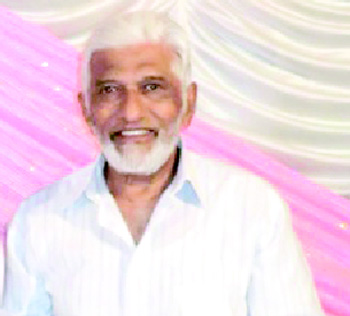
 ઈંગ્લેન્ડના ગુજરાતીઓને ગુજલિશ ગઝલો વડે બદલાયેલા સમયનો રસિકપૂર્ણ રીતે અહેસાસ કરાવે છે અદમ ટંકારવી
ગુજરાતી ભાષાને જિવાડવાનો પ્રયત્ન ગુજરાતમાં થાય છે, તેનાથી વધુ મુંબઈમાં થાય છે અને મુંબઈમાં થાય છે તેનાથી વધું ઈંગ્લેન્ડ, અમેરિકામાં થાય છે. ગુજરાતી યા કોઈ પણ ભાષા માત્ર એ નથી કે જે લખાવટમાં યા બોલાશમાં હોય છે. એ એક સમગ્ર સંસ્કાર, સંસ્કૃિત, જીવંત વ્યવહાર છે. તમે દાળઢોકળી બનાવો તે પણ ગુજરાતી ભાષા છે અને છોકરીને બલોયા પહેરવાનું મન થાય તે પણ ગુજરાતી ભાષા છે અને તેથી જ ગુજરાતી ભાષા ત્યાં મરી રહી છે તેવું કહેવાય જ્યાં આ બધું મરી રહ્યું છે. બાકી, અંગ્રેજી ભાષા ગુજરાતી ભાષાનું અમુક અંગ તો કાપીને લઈ જ જવાની છે, કારણ, કે દરેક ભાષા આપણને કશુંક આપે છે અને સમાંતરે લે પણ છે.
ઓ … કે … ઓ.કે. વાત તો આપણે એ જ કરવાના છે જે અહીં કરીએ છીએ. આ વેળા અદમ ટંકારવીની વાત. મૂળ તેઓ ભરૂચ પાસેના ટંકારા ગામના. તેમની ‘ટંકારવી’ અટક એ ગામનાતાને જ સૂચવે છે.
ગુજરાતી ગઝલમાં લાંબો સમય સુધી ‘પાલનપુરી’ અટક ધરાવનારા ગઝલકારોનું વર્ચસ્વ રહ્યું પણ હવે ‘ટંકારવી’ અટક પણ એ લાઈનમાં છે – અદમ ટંકારવી, મહેક ટંકારવી, અઝીઝ ટંકારવી, કદમ ટંકારવી. (બીજા ય હશે) ટંકારા એક એવું ગામ છે જ્યાંના ખાસ્સા લોકો પરદેશ રહે છે. અદમ ટંકારવી તેમાંના એક. મૂળ તેમની અટક આદમ ઘોડીવાલા પણ પછી ટંકારવી. તેઓ વર્ષો સુધી વલ્લભ વિદ્યાનગરની ઇન્સ્ટિટ્યૂટ ઓફ ઈંગ્લિશમાં અધ્યાપક હતા અને ત્યારે પણ ગઝલો લખતા અને પરિષ્કૃિત નામના સાહિત્યના નવલેખનના આંદોલનમાં પણ સક્રિય હતા. ૧૯૯૧માં તેઓ કાયમ માટે ઈંગ્લેન્ડ આવી ગયા. અહીં પણ બ્રિટનની શાળામાં શિક્ષણનું જ કામ કરવા લાગ્યા. પરદેશમાં ગુજરાતી ભાષા-શિક્ષણની પ્રવૃત્તિ નિરંતર ચાલતી રહે છે અને તેની જરૂરિયાત પ્રમાણે અદમ ટંકારવી જેવા શિક્ષકો ત્યાં પહોંચી જાય છે. અદમભાઈ બૌદ્ધિક હોવાના કારણે બ્રિટનના સમાજ અને બ્રિટનમાં વસતા ગુજરાતી સમાજનું સામાજિક પૃથક્કરણ બહુ સૂક્ષ્મ રીતે કરી શક્યા. તેમણે જોયું કે અહીં જે વ્યક્તિસ્વાતંત્ર્ય મળે છે તેના કારણે ગુજરાતી (યા ભારતીય) કુટુંબોમાં કેવી કેવી સમસ્યાઓ સર્જાય છે.
તેમણે ૧૯૯૬માં ત્યાંનાં ગુજરાતી સામયિક “ઓપિનિયન”માં ‘સત્યાનાશ: ઈંગ્લેન્ડની આંતરકથા’ નામે લેખ લખ્યો અને પછી તેવું તેઓ સતત કરતા રહ્યા છે. આ પ્રકારની પ્રવૃત્તિ ત્યાંના ગુજરાતીઓ માટે સામાજિક જાગૃતિનું કામ કરે છે. ત્યાંના ગુજરાતી બાળકો ‘સારે જહાં સે અચ્છા હિન્દોસ્તાં હમારા’ ગાતાં હોય તો સામે પ્રશ્ર્ન પુછાય છે કે, ‘ઈફ યોર કન્ટ્રી ઈઝ સો ગુડ, વોટ આર યુ ડુઈંગ હિયર?’ને જવાબ આપવા મુશ્કેલ બને છે. ‘બ્રિટન, આદમકદ અરીસામાં’ પુસ્તક વાંચશો તો અદમ ટંકારવીનું ચિંતન અનેક મુદ્દાઓ વડે ત્યાંના ગુજરાતીઓને ઓળખાવશે.
ખરેખર તો તેઓ ગુજરાતીઓની જૂની પેઢી અને નવી પેઢી વચ્ચે જે ગ્રે સમય છે તેને વાચા આપવા પ્રયત્ન કરી રહ્યા છે. છે તેઓ ગઝલકાર એટલે વધારે આધાર તેનો જ લેવાના. બ્રિટનમાં જે કાંઈ સાંસ્કૃિતક પ્રવૃત્તિ ચાલે છે તે મંદિરમાં થતી પ્રવૃત્તિ યા ગરબા કે લગ્નપ્રસંગો પુનર્જીવિત થતા સંસ્કારો જ નથી, બલકે સાહિત્યની પ્રવૃત્તિઓ અને ત્યાંના ગુજરાતી સામયિકોમાં પ્રગટતું ગુજરાતીપણું પણ છે. અદમ ટંકારવીને તમે તેના અત્યંત સક્રિય નેતા ગણી શકો. ત્યાં મહેક ટંકારવી છે જેમણે ગુજરાતી રાઈટર્સ ગિલ્ડ-યુકેની ૧૯૭૩માં સ્થાપના કરી છે, જેના વડે ત્યાંના બોલ્ટન, પ્રેસ્ટન, બ્લેકબર્ન, લેસ્ટર સહિત અનેક ટાઉન, શહેરોમાં સતત મુશાયરા થાય છે. અદમ ટંકારવી તમને આ મુશાયરામાં ગુજલિશ ગઝલો વડે ત્યાંના ગુજરાતીઓને રસિકપૂર્ણ રીતે બદલાયેલા સમયનો અહેસાસ કરાવે છે. જેમ કે
‘બાગમાં ક્યાં હવે ફરે છે સનમ
વેબસાઈટ ઉપર મળે છે સનમ
ફલોપી ડિસ્ક જેવો આ ચહેરો તારો
અન્ય ઉપમા જ ક્યાં જડે છે સનમ.’
એક પૉએટ એટલે મૂંઝાય છે.
ભાષાબાઈ એઈડ્સથી પીડાય છે
વેર ધ શૂ પિન્ચીઝ ખબર પડતી નથી
બ્લડસ્ટ્રીમમાં પીડા જેવું થાય છે!
‘નાની અમસ્તી વાતમાં અપસેટ થઈ ગઈ
હમણાં સુધી જે ધિસ હતી તે ધેટ થઈ ગઈ
અરવિંદને ઈંગ્લેન્ડનો વિઝા મળી ગયો
ખાદીની એક ટોપી પછી હૅટ થઈ ગઈ.’
કોઈ માને કે ના માને, ભાષાને જિવાડવાનું કામ સર્જકો જ કરતા હોય છે. બ્રિટનમાં પણ આ જ હકીકત છે. અદમ ટંકારવી કહે છે કે, ‘બ્રિટિશ ગુજરાતીઓની હાલત કફોડી છે. નાગરિકતાની વાત નીકળે ત્યારે યુવાન એશિયનો જે તોરથી ‘આઈ એમ બ્રિટિશ’ કહે છે તે જોવા જેવો છે.’ અદમ ટંકારવીને ગુજરાતી ભાષા અને ગુજરાતી સમાજની ઘણી ચિંતા છે.
‘વેમ્બલીમાં લડખડે છે ગુર્જરી
હાઈ હેલો પણ કરે છે ગુર્જરી
બ્લેકબર્નમાં થરથરે છે ગુર્જરી
બર્ફમાં લપસી પડે છે ગુર્જરી!’
પરદેશમાં જીવતા હો તો માત્ર વ્યવસાય-વ્યાપારની પ્રવૃત્તિથી ન જીવી શકાય. ભાષા અને સંસ્કૃિત વિના દરેકનું અસ્તિત્વ અધૂરું રહે છે. અદમ ટંકારવી જેવા આ ક્ષેત્રે જે પ્રદાન કરે છે તેનું નોખું મૂલ્ય ઘટે છે. સામાન્યપણે પરદેશ ગયેલા દેશીને એ જ પુછાતું હોય છે કે, ‘શું કમાયા?’ અદમ જેવા એવા કમાયેલાને પૂછે છે કે, જે કમાયા તેમાં કેટલા ગુમાયા એ જાણ્યું? તેમના ગઝલસંગ્રહ અને સંપાદનમાં પણ આ પ્રશ્ર્ન ઊઠતો અનુભવાશે.
દેશી-પરદેશી ગુજરાતી – ‘ઉત્સવ’, “મુંબઈ સમાચાર”, 15 ડિસેમ્બર 2013

 સુજાતા સામાન્ય સ્ત્રી છે. વલસાડ જિલ્લાના નાના ગામડામાં જન્મીને મોટી થઈ છે. જ્ઞાતિનો સારો છોકરો મળતો હતો એટલે માબાપે લગ્ન ગોઠવી નાખ્યાં. સુજાતા નવમા ધોરણમાં હતી. પતિ દસમું ધોરણ પાસ હતા. એક ધોરણ વધારે ભણેલા. લગ્ન થયાં એટલે સુજાતાએ અભ્યાસ પડતો મૂક્યો અને સંસારમાં જોતરાઈ ગઈ. બે છોકરા પણ થઈ ગયાં. પતિ પણ અભ્યાસ છોડીને એમના બાપદાદાની પાંચસાત વીઘા જમીન હતી એ ખેડીને ગુજરાન ચલાવતા હતા.