
Opinion Magazine
Number of visits: 9772727
  •  Home
  • Opinion
    • Opinion
    • Literature
    • Short Stories
    • Photo Stories
    • Cartoon
    • Interview
    • User Feedback
  • English Bazaar Patrika
    • Features
    • OPED
    • Sketches
  • Diaspora
    • Culture
    • Language
    • Literature
    • History
    • Features
    • Reviews
  • Gandhiana
  • Poetry
  • Profile
  • Samantar
    • Samantar Gujarat
    • History
  • Ami Ek Jajabar
    • Mukaam London
  • Sankaliyu
    • Digital Opinion
    • Digital Nireekshak
    • Digital Milap
    • Digital Vishwamanav
    • એક દીવાદાંડી
    • काव्यानंद
  • About us
    • Launch
    • Opinion Online Team
    • Contact Us

Abandoning the idea of India

R. SUDARSHAN|English Bazaar Patrika - Features|12 November 2014

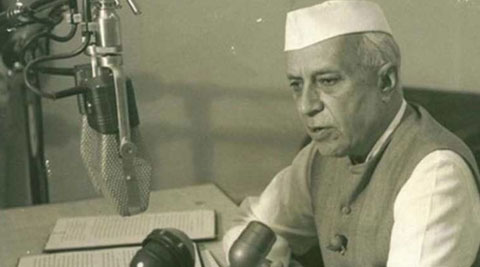
The death of Jawaharlal Nehru signalled an end to an era of open-mindedness. It remains to be seen if India will ever recover a Nehruvian self-confidence and recreate institutions, which in their heydays brimmed with brilliant ideas

On May 28, 1964, I was a 10-year-old carried across by waves of mourners in Delhi, from the ramparts of Red Fort towards the Yamuna, to see flames rising from the funeral pyre of Prime Minister Jawaharlal Nehru. Twenty years later, I was again a part of several processions for peace near my home in Jangpura Extension, this time fearfully watching flames leap out of shops and homes belonging to Sikhs, which had been singled out and become the target of arson in the aftermath of the assassination of Prime Minister Indira Gandhi. In those 20 years, the idea of India, embodying diversity and democracy, tolerance and self-confidence, had given way to a closing of the Indian mind and an upsurge of xenophobia. The “foreign hand” phobia was particularly strong during Prime Minister Indira Gandhi’s many years in office, especially during the internal state of Emergency.

In June this year, an Intelligence Bureau (IB) report accused some “foreign-funded” non-governmental organisations, including Greenpeace, of “serving as tools for foreign policy interests of western governments,” by sponsoring agitations against nuclear and coal-fired power plants across the country. Their actions, according to the IB, had a negative impact on India’s GDP growth!

Receptivity to ideas


Immediately after Independence, we might have expected India to suspect the motives of imperialist powers. But there was actually no xenophobia at that time. Jawaharlal Nehru’s receptivity to ideas from all quarters was phenomenal in its range and depth. S. Gopal, Nehru’s biographer, points out that the socialist Nehru believed in the marketplace of ideas, not commodities. He invited a number of intellectuals to be his interlocutors. Mahatma Gandhi had affirmed with supreme confidence: “I do not want my house to be walled in on all sides and my windows to be stuffed. I want the cultures of all lands to be blown about my house as freely as possible. But I refuse to be blown off my feet by any ….” Sardar Patel, remembered as the Iron Man, played a key role in safeguarding India’s “steel frame.” He granted constitutional protection to all Indian Civil Service (ICS) officers who opted to serve independent India (Article 314, repealed in 1972). In 1934, Nehru had declared that he would have nothing to do with the ICS tradition, as it was neither Indian, nor civil and much less a service. But he did not object to Sardar Patel’s proposal to provide constitutional safeguards to ICS officers and its successor services.

Powerful countries will always want to advance their foreign policy agenda and they are bound to gather all manner of intelligence to that end. But this need not create paranoia and bans on foreign funds. In 1950, the U.S. State Department must have worried about Nehru’s admiration of the achievements of the Soviet Union and his sympathy for the 1949 revolution in China. Anxiety about the advance of communism in Asia may have prompted the U.S. to encourage Paul Hoffman, former administrator of the Marshall Plan and president of the Ford Foundation, to visit India. When Nehru learnt that Hoffman wished to visit India, he sent to him a warm and welcoming letter in which he praised his leadership of the Marshall Plan and told him that India, recently liberated from colonial dominance, was more deserving of reconstruction and development than countries ravaged by World War II.

Bold experiments


Paul Hoffman visited India in 1951, later followed by Douglas Ensminger, a rural sociologist from the U.S. State Department, Nehru sent them to visit a rural development project in Etawah which he greatly admired. This project was a brainchild of Horace Holmes, an agricultural extension specialist, and Albert Meyer, a city planner. Hoffman’s visit led to the Ford Foundation opening its first international office in New Delhi with Ensminger as its representative. Ensminger’s claim that he was Nehru’s closest confidant should be taken with a pinch of salt. But it is a fact that the Indian Prime Minister granted this private American foundation diplomatic privileges and authorised land to be leased to it in the Lutyens’s Bungalow Zone, where an American architect, Joseph Allen Stein, built his “Steinabad” to blend with Lodi Garden.

Nehru turned to Paul Appleby, a Ford Foundation consultant, for ideas to restructure the machinery of government. He accepted Appleby’s recommendation that India needed a premier institution to train officers in the art and science of policymaking. Nehru became the founding president of the Indian Institute of Public Administration in 1954. In his foreword to his first report on public administration, Appleby said: “it is my general judgement that the Government of India is a highly advanced one, and in the revelation of the government’s hospitality to criticism and its insistent search for improvement.” Nehru encouraged the Ford Foundation to prepare a report on India’s food crisis. He went through the report carefully. He asked for more specific proposals to implement its recommendations. The second report resulted in the Intensive Agricultural District Programme, piloted initially in seven agriculturally well-endowed districts. These districts became the proving ground for the Green Revolution launched in 1965 under the stewardship of C. Subramaniam. The confidence which Nehru reposed in India’s scientists and his encouragement to them to seek out foreign interlocutors, was inspiration enough for M.S. Swaminathan to invite Norman Borlaug to India in 1963 and followed up his visit with experiments in India to adapt Mexican wheat varieties to Indian conditions.

Nehru took a personal interest in many of the innovative projects and ideas of consultants brought to India by the Ford Foundation. Wolf Ladejinsky impressed upon Nehru the urgency of land reforms to arrest the growing numbers of landless labourers. Land to the tiller became his rallying call. But it fell on the deaf ears of the Congress party’s leadership in many States which remained imbued with the “old zamindari mentality,” as Nehru called it. Unlike the land reforms programme, which failed, there were other foreign-inspired ideas which had more successful outcomes. Nehru encouraged the Ford Foundation to support the National Council of Applied Economic Research (NCAER) established in 1956 to provide independent policy advice to both government and the private sector. P.S. Lokanathan, its first director, left a legacy of professional integrity that has endured to this day. On the advice of Pupul Jayakar, Nehru invited Charles and Ray Eames to visit India. The 1958 Eames Report was warmly received by Nehru. It led to the establishment of the National Institute of Design (NID), which is a tribute to the genius of Indian design and what the Eameses called “vernacular expressions of design” (they wrote paens of praise for the lota) and “everyday solutions to unspectacular problems”. NID remains an invitation to “make in India,” for civilisational reasons, not for the crass and commercial reasons now in vogue.

A remark by Vinobha Bhave, to the effect that the days of politics and religion were gone and the days of science and spirituality have come, greatly impressed Nehru. He was struck by the symbolism of the Trimurti of Elephanta Caves gazing benignly across the Arabian Sea at the Atomic Research Centre in Trombay, a monument to the triumph of India’s scientists. Nehru kept in touch with Robert Oppenheimer, listened to J.B.S. Haldane, and entrusted to Verrier Elwin plans to safeguard tribals in the northeast of India.

Inputs for policy


Nehru welcomed the participation of a number of foreign scholars in a grand experiment of democratic socialism. He hand-picked Mahalanobis and Pitambar Pant to shape the Planning Commission. The Planning Commission and the Indian Statistical Institute were encouraged by Nehru to invite brilliant minds to visit and work in India — these included Ragnar Frisch, Jan Tinbergen, Oskar Lange, Charles Bettelheim, Richard Stone, Simon Kuznets, N. Georgescu-Roegen, Branko Horvat, Paul Baran, Ian Little, Michał Kalecki, Nicholas Kaldor, Gunnar Myrdal and Joan Robinson. No other institution anywhere in the world would have welcomed, with such supreme self-confidence, such a vast range of ideas and debates concerning India’s most important policy choices. Milton Friedman visited India and criticised the Mahalanobis model. Nehru, ever an ardent disciple of Harold Laski, did not find those ideas compelling.

The death of Nehru signalled an end to an era of open-mindedness. The Planning Commission’s collaborative project with the MIT Center for International Studies ended in 1964. Sukhamoy Chakravarty, Kirit Parikh, Henri Lefebvre, Richard Eckhaus, Alan Mann, all scholars of impeachable integrity, came under the Central Intelligence Agency (CIA) cloud. This was the moment when the Planning Commission became fearful of foreigners. It remains to be seen if India will ever recover a Nehruvian self-confidence and recreate an institution which in its heyday brimmed with brilliant ideas.

(R. Sudarshan, former staff of UNDP and the Ford Foundation, is Dean, Jindal School of Government and Public Policy, Sonipat.)

courtesy : “The Hindu”, 12 November 2014

Loading

ભારતમાં દેહવ્યાપારને પરવાનગી કેટલી વ્યાજબી?

નગીનદાસ સંઘવી|Samantar Gujarat - Samantar|10 November 2014

પ્રગતિશીલતાનું લેબલ : યુરોપની નકલ કરતા પહેલાં આપણી સામાજિક સ્થિતિ અને માનસિકતાનો ઊંડો અભ્યાસ કરવો જરૂરી

યુરોપનાં કેટલાક પ્રગતિશીલ દેશોમાં વેશ્યાવૃત્તિને ગુનાખોરી ગણવાનાં કાયદાઓ નાબૂદ કરવામાં આવ્યા છે. કોઈ સ્ત્રી દેહવિક્રયનાં ધંધા દ્વારા પોતાની આજીવિકા રળવા માગતી હોય તો તે માટેની પરવાનગી આપવામાં આવી છે. આવો કાયદો ભારતમાં પણ થવો જોઈએ અને વેશ્યાવૃત્તિ કરવા ઈચ્છતી સ્ત્રીઓનાં વ્યવસાય પરનાં તમામ પ્રતિબંધો રદ થવા જોઈએ તેવી માગણી સ્ત્રી-સેવામાં જોડાયેલી કેટલીક સંસ્થાઓ તરફથી કરવામાં આવી, ત્યારે ભારતનાં રાષ્ટ્રીય મહિલા આયોગે (National Women Commission) તે માગણીને ટેકો આપ્યો છે અને ભારત સરકારમાં પણ આ બાબતમાં ગંભીર વિચારણા ચાલી રહી હોવાનું કહેવાય છે. વેશ્યાઓ અધમ અને પાપી સ્ત્રીઓ છે. તેમનાં સહવાસનાં કારણે પુરુષો વ્યસની, જુગારી અને ગુનાખોર બને છે. સમાજમાં તેમનાં કારણે જીવલેણ જાતિય સંસર્ગ રોગો ફેલાય છે. કુટુંબજીવનની પવિત્રતા ખંડિત થાય છે. આવા બધા પૂર્વગ્રહો આપણાં સમાજમાં એટલા વ્યાપક અને દૃઢ છે કે વેશ્યા વ્યવસાય પરનો પ્રતિબંધ ઉઠાવી લેવાનું ભારત સરકાર માટે કદાચ શક્ય નહીં બને, પણ આ વ્યવસાય અંગે અને સમાજે અપનાવેલા અભિગમ અંગે નવેસરથી ફેરવિચારણા કરવાનો સમય પાકી ગયો છે. તે માટે આપણા દૃષ્ટા પુરુષોએ તૈયારી રાખવી પડશે.

વેશ્યાઓ અધમ નથી, લાચાર છે. નાણા ફગાવનાર કોઈ પણ પુરુષને પોતાનું શરીર સોંપી દેનાર સ્ત્રીઓએ પોતાનાં જીવનનો સર્વોત્તમ અને સૌથી વધારે નાજુક સંવેદનશીલ આનંદ માત્ર પેટ ભરવા માટે જતો કરવો પડે છે, તે વેશ્યા વ્યવસાયની સૌથી મોટી કરુણતા છે. હજારો-લાખો સ્ત્રીઓ અને તેમનાં બાળકોએ ટુકડા રોટલા માટે ટળવળવું પડતું હોય તેવી પરિસ્થિતિમાં વેશ્યાવૃત્તિ નાબૂદ થવાની આશા રાખવી વ્યર્થ છે. માત્ર ગાળો ભાંડવાથી, તિરસ્કાર કરવાથી, વેશ્યાઓ કે તેમનાં સહવાસીઓને કારાવાસમાં ધકેલી દેવાથી આ સમસ્યાનો અંત આવવાનો નથી. આદિ-અનાદિ કાળથી ચાલ્યો આવતો વેશ્યા વ્યવસાય નેસ્તનાબૂદ કરવાનાં તમામ પ્રયાસો નિષ્ફળ ગયા છે. યુરોપીય સમાજમાં ચાલતી વેશ્યાવૃત્તિ અને આપણા દેશનાં વેશ્યા-વ્યવસાય વચ્ચે આસમાન જમીનનો તફાવત છે. યુરોપમાં પેટ ભરવા માટે, મોજ શોખ માટે, ધંધાદારી કમાણી માટે મોટા ભાગની સ્ત્રીઓ સ્વૈચ્છાએ આ વ્યવસાયમાં જોડાય છે. સામૂહિક વેશ્યા ગૃહો(Brothels)ની સંચાલિકા (Madam) વ્યવસ્થા ગોઠવે છે અને સુવિધાઓ પૂરી પાડે છે. ગ્રાહકો જોડે વાટાઘાટો કરીને ભાવતાલ અને શરતો ઠરાવી આપે છે.

ભારતમાં આ વ્યવસાય અંગેનાં છૂટાછવાયા ગ્રંથો અને અન્ય સામગ્રીનાં આધારે ચાલીએ તો મોટા ભાગની વેશ્યાઓને બહુ નાની ઉંમરે ફસામણી, ધાકધમકી અને ક્યારેક તો નરી જોરતલબીથી ઉઠાવીને આ ધંધો કરનાર કોઠાવાળીઓને વેચી મારવામાં આવે છે. મારપીટ, કનડગત અને બળાત્કારનો ભોગ બનેલી આ બાળાઓને આ વ્યવસાયમાં પરાણે જોતરી દેવામાં આવે છે. ગ્રાહકોએ ચૂકવેલા નાણામાંથી મોટાભાગની રકમ માલકણ બાઈનાં હાથમાં જાય છે. આપણા દેશમાં વેશ્યા વ્યવસાયની પરવાનગી આપવામાં આવે તો એક નવા પ્રકારની ગુલામગીરીને પરવાનગી આપવા જેવું થાય. સ્વૈચ્છિક વેશ્યાવૃત્તિ અને જોરતલબીથી ચલાવાતા વેશ્યા વ્યવસાય વચ્ચે આસમાન જમીનનો તફાવત છે. કોલગર્લનાં આધુનિક નામે ઓળખાતી થોડી સ્ત્રીઓને બાદ કરીએ તો મોાટા ભાગની વેશ્યાઓ અતિશય ગરીબ અને મોટા ભાગે અભણ હોય છે. પોતાનાં વ્યવસાયનાં પરિણામે અનિવાર્યપણે આવનાર રોગ અને તેનાં પ્રતિકારનું જ્ઞાન તેમને હોતું નથી. સરકારી પરવાનગીનાં પરિણામે આ વ્યવસાય પરનાં રહ્યાં સહ્યાં બંધનો કાઢી નાખવામાં આવે તો આ સ્ત્રીઓની તંદુરસ્તી, વૃદ્ધાવસ્થા દરમિયાનની દેખભાળ અને તેમનાં બાળકોની સારસંભાળ અને વિકાસ માટેની સગવડો પણ ઊભી કરવી પડશે.

વેશ્યા વ્યવસાય ધંધો હોવા છતાં અન્ય સર્વ સામાન્ય ધંધા રોજગાર કરતાં અનેક રીતે અલગ પડી જાય છે. યોગ્ય ઉંમર, બાંધો અને દેખાવ ધરાવનાર સ્ત્રીઓ આ ધંધામાંથી મબલખ કમાણી કરી શકે છે, પણ એકલવાયા જીવતર અને માનસિક પરિતાપનાં પરિણામે તેમનું જીવન સુખમય હોતું નથી. પોતાની બુદ્ધિશક્તિનો ઉપયોગ કરવાની સગવડ તેમને કદી મળતી નથી. તેમનાં પ્રત્યે સદીઓથી સેવાઈ રહેલી હીણપતની ભાવના સમાજમાંથી દૂર થવામાં અનેક સદીઓ નહીં તો દાયકાઓ લાગી જશે. સમાજની ઉપેક્ષા અને તિરસ્કાર જીરવવા માટે અને પોતાનાં વ્યવસાયની કરુણતા ભૂલવા માટે મોટા ભાગની વેશ્યાઓ વ્યસનોનો ભોગ બનીને નશાખોર બની જાય છે અને તેમની જિંદગીને વધારે રોગીષ્ટ, કષ્ટાળુ અને દુ:ખમય બનાવી મૂકે છે. પ્રગતિશીલ હોવાનું લેબલ મેળવવા માટે અને યુરોપની નકલ કરીને વાહ વાહ મેળવી લેવા પરદેશી અભિગમને અપનાવતા અગાઉ આપણે આપણી સામાજિક સ્થિતિ અને માનસિકતાનો વધારે ઊંડાણથી અભ્યાસ કરવો જરૂરી છે.

–

લેખક વરિષ્ઠ રાજકીય સમીક્ષક છે.

સૌજન્ય : “દિવ્ય ભાસ્કર”, Nov 10, 2014

Loading

A most wanted man

Inder Malhotra|English Bazaar Patrika - Features|10 November 2014

In the 1967 election, the first without Nehru, the Congress tally plummeted

On Jawaharlal Nehru’s 125th birth anniversary, rather than write a comprehensive article on the life and leadership of independent India’s first and incomparable prime minister yet again, I intend to give readers, especially the young ones, some glimpses of the personality of the second greatest Indian of our times, after the Mahatma. So here goes the first of the series, focused on Nehru’s phenomenal and matchless popularity with the masses.

In November 1937, in the Calcutta-based and highly respected magazine Modern Review, appeared an anonymous article on Nehru, arguing that men like him were “dangerous” and potential “dictators”. “From the North to Cape Comorin,” said the article, “he has gone like some triumphant Caesar, leaving a trail of glory and a legend behind him. Is it just a passing fancy or is it his will to power that is driving him from crowd to crowd… He calls himself a democrat and a socialist and no doubt he does so in all seriousness… but a little twist and he might turn into a dictator… His conceit is already formidable. It must be checked. We want no Caesars”. It soon became known that the author of this denunciatory article was none other than Jawaharlal, and the matter was laughed out. Indeed, he was soon re-elected Congress president for the third time.

Even as a schoolboy then I used to hear my father and his friends discuss “Panditji’s astonishing popularity”. By the time I joined college, I also joined all those who would travel scores of miles to hear Nehru if he was speaking or simply to catch a glimpse of him, if he was merely passing through. After a long but unsuccessful search for a job in journalism barely two years after Independence and Partition, I had a stroke of luck. A rather impecunious news agency, the United Press of India, gave me a job after making sure that I could report not only Nehru’s speeches in Hindi but also those of Maulana Azad in Urdu. No break could have been better than this because, for over five years, I travelled with or ahead of the prime minister across the country and watched the magical mutual relationship between him and the large crowds that waited for him patiently for hours, regardless of how inclement the weather was.

Often I wondered why he chose to speak on subjects that were way above the heads of his huge and adoring audiences: the need for planning; the newly built dams being the temples of the new age; his reasons for pleading for China’s admission to the UN and so on.

Perhaps he believed that, in a largely illiterate country, the spoken word was the best medium to convey his message to his people.

However, only during the last decade, when no one in the UPA government thought it necessary to explain anything to the people at large, did I realise how right Nehru was.

By the time the Constitution came into force on January 26, 1950, Nehru had totally disproved his self-analysis in Modern Review. Far from becoming a dictator — which he could have done easily, like his two contemporary leaders of freedom movements, Sukarno in Indonesia and Kwame Nkrumah in Ghana — he built India up as the world’s largest democracy. This process took a huge leap forward with the first general elections in this country in 1952, when his contact with and appeal to his people also took a big stride. He won the first three general elections hands down, almost single-handedly, as a famous cartoon by the country’s premier cartoonist, R.K. Laxman, depicted at the height of the campaign for the first poll. In the 1967 election, the first without Nehru, the Congress tally plummeted.

Interestingly, in his book India After Gandhi, published in 2007, Ramachandra Guha wrote that the “extraordinary popular appeal of the prime minister” could be best captured “in the testimony of the confirmed Nehru-baiter D.F. Karaka, editor of a popular Bombay weekly, the Current”. Guha has then quoted at some length how Karaka had reported Nehru’s first election speech in Bombay at Chowpatty beach to an enormous and enthusiastic crowd. Karaka first noted — “no doubt to his regret” — the “instant affinity between the speaker and his audience” and then went on calculating how many votes had been swung to Nehru’s favour by his every sentence. The climax was reached, in Karaka’s view, at the twilight hour, when Nehru told the gathering that he had taken upon himself the “role of a mendicant beggar”. Amidst wild cheers he added, “If at all I am a beggar, I am begging for your love, your affection and your enlightened cooperation in solving the problems facing the country.” The crowds were deeply moved and he, in turn, was moved by them. For Karaka, however, the election was over.

At an elite meeting in the national capital, Nehru had once said: “Delhi is a static city with a dead atmosphere. I therefore go out and see masses of people, my people, your people and derive inspiration from them. There is something dynamic and growing with them and I grow with them. I also enthuse with them.” What he wrote to Lady Edwina Mountbatten after the meeting in Bombay is even more eloquent: “Wherever I have been, vast multitudes gather at my meetings and I love to compare them, their faces, their dress, their reactions to me and what I say… I rather enjoy these fresh contacts with the Indian people… The effort to explain to them in simple language our problems and our difficulties, and to reach the minds of these simple folk, is both exhausting and exhilarating. As I wander about, the past and the present merge into one another, and this merger leads me to think of the future.”

The writer is a Delhi-based political commentator.

courtesy : http://indianexpress.com/article/opinion/columns/a-most-wanted-man/#sthash.mB7xvpiU.dpuf

“The Indian Express”, November 10, 2014

Loading

...102030...3,9303,9313,9323,933...3,9403,9503,960...

Search by

Opinion

  • તમાકુ ને પ્લાસ્ટિક : સઘળું ઇલાસ્ટિક !
  • યુદ્ધોન્માદી માહોલ, વસમા પાડોશી અને સંરક્ષણ બજેટ
  • શું ભારતની પ્રજા આવું કરી કે સહી શકશે?
  • સોશિઅલ મીડિયા એન્ટિ-સોશિઅલ છે…?
  • અમેરિકાના હાલ બેહાલ, હાથનાં કર્યા હૈયે વાગ્યાઃ વૈશ્વિક મહાસત્તાનો આત્મવિશ્વાસ જ આત્મઘાતક બન્યો

Diaspora

  • યુ.કે.માં ડ્રાઇવિંગની પરીક્ષા
  • અમીના પહાડ (1918 – 1973) 
  • છ વર્ષનો લંડન નિવાસ
  • દીપક બારડોલીકરની પુણ્યતિથિએ એમની આત્મકથા(ઉત્તરાર્ધ)ની ચંદ્રકાન્ત બક્ષીએ લખેલી પ્રસ્તાવના.
  • ગાંધીને જાણવા, સમજવાની વાટ

Gandhiana

  • આંતરિક શક્તિ : હિંમત, અંતરાત્માનો અવાજ અને અહિંસક પ્રતિકાર 
  • માનવતાવાદી ત્રિપુટીને સ્મરણાંજલિ 
  • ગાંધી ‘મોહન’માંથી ‘મહાત્મા’ બન્યા, અને આપણે?
  • ગાંધીહત્યાના પડઘા: ગોડસેથી ગોળવલકર સુધી …
  • ગાંધીની હત્યા કોણે કરી, નાથુરામ ગોડસેએ કે ……? 

Poetry

  • ગઝલ
  • વિધ્વંસ
  • કવિ
  • ગઝલ
  • ગઝલ

Samantar Gujarat

  • ઇન્ટર્નશિપ બાબતે ગુજરાતની યુનિવર્સિટીઓ જરા પણ ગંભીર નથી…
  • હર્ષ સંઘવી, કાયદાનો અમલ કરાવીને સંસ્કારી નેતા બનો : થરાદના નાગરિકો
  • ખાખરેચી સત્યાગ્રહ : 1-8
  • મુસ્લિમો કે આદિવાસીઓના અલગ ચોકા બંધ કરો : સૌને માટે એક જ UCC જરૂરી
  • ભદ્રકાળી માતા કી જય!

English Bazaar Patrika

  • My mother cries on the phone’: TV’s war spectacle leaves Indians in Israel calming frightened families
  • “Why is this happening to me now?” 
  • Letters by Manubhai Pancholi (‘Darshak’)
  • Vimala Thakar : My memories of her grace and glory
  • Economic Condition of Religious Minorities: Quota or Affirmative Action

Profile

  • તપસ્વી સારસ્વત ધીરુભાઈ ઠાકર
  • સરસ્વતીના શ્વેતપદ્મની એક પાંખડી: રામભાઈ બક્ષી 
  • વંચિતોની વાચા : પત્રકાર ઇન્દુકુમાર જાની
  • અમારાં કાલિન્દીતાઈ
  • સ્વતંત્ર ભારતના સેનાની કોકિલાબહેન વ્યાસ

Archives

“Imitation is the sincerest form of flattery that mediocrity can pay to greatness.” – Oscar Wilde

Opinion Team would be indeed flattered and happy to know that you intend to use our content including images, audio and video assets.

Please feel free to use them, but kindly give credit to the Opinion Site or the original author as mentioned on the site.

  • Disclaimer
  • Contact Us
Copyright © Opinion Magazine. All Rights Reserved