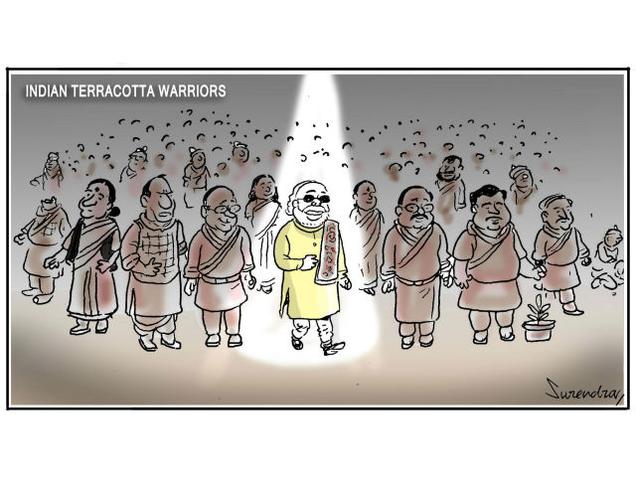
courtey : "The Hindu", 15 May 2015
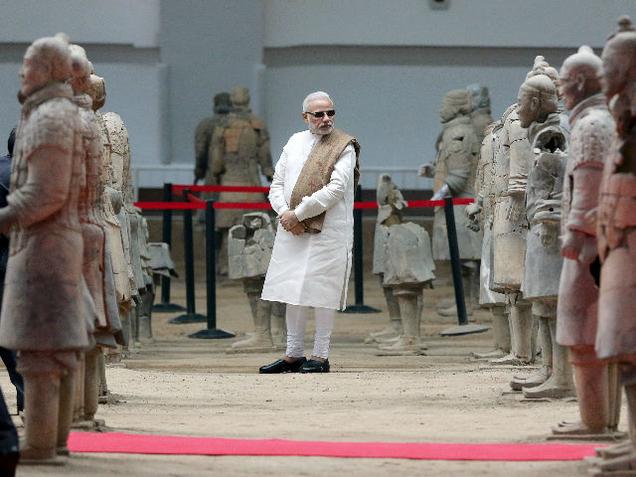
Indian Prime Minister Narendra Modi at Terracotta Warriors Museum in Xian.



courtey : "The Hindu", 15 May 2015
Indian Prime Minister Narendra Modi at Terracotta Warriors Museum in Xian.
The coming to power of Narendra Modi in a way gave an open license to all the affiliates of RSS combine to indulge in open hate speech against the religious minorities. The current agenda behind the hate speech is to consolidate the communal polarization of the society along lines of religion. The well known case of MIM’s Akarbar Uddudin Owaisis’ hate speech has been despicable and very rightly Akbarudin Owaisi had to be in jail for some time. The case against him should be pursued and the legal course of action must befollowed. At the same time what about the hate speech indulged in by the likes of Pravin Togadia, Subramaniam Swami, Giriraj Singh, Sadhvi Niranjan Jyoti, Sadhvi Prachi, Sakshi Mahraraj, Yogi Adityanth, Sanjay Raut and company?
Apart from these associates of Hindu right wing patriarch, RSS, who are reported in the media, there are many more indulging in the divisive speech and worsening the communal situation. During this year they have started feeling emboldened as they know it is ‘their’ Government and they can get away with it. Day in and day out they are becoming more aggressive and vicious in their language. The hate speech against religious minorities has been stepped up.
One recalls even before Modi Sarkar assumed the seat of power the divisive activities of ‘BJP associates’ in the form of propaganda of love jihad and Ghar Vapasi were on, and they continued without any respite during this year. Soon after this Government came to power in Pune, Mohsin Sheikh, a person working in IT was hacked to death by activists of Hindu Jagran Sena, in the aftermath of morphed pictures of Bal Thackeray and Shivaji being posted on the social media. The attack on Churches was very glaring and the process which was dominant in Delhi and Haryana was also witnessed in places like Panvel near Mumbai, Agra in UP amongst other places.
Sakshi Maharaj not only said that Godse was a patriot; he also went on to say that Hindu women should produce four children, as Muslims are overtaking the population. Sadhvi Prachi went to prescribe eight children for Hindu women. She also gave a call that the Muslim film actors, Aamir Khan, Shahrukh Khan and Salman Khan should be boycotted. Pravin Togadia has been the leading person in making hate speeches; he has the highest number of cases regarding hate speech against him. Yogi Adityanath, BJP’s MP keeps making very derogatory remarks, He said that in ‘love jihad’ if one Hindu girl is converted then 100 Muslim girls should be converted to Hinduism. The propaganda around love jihad keeps simmering and various small and big leaders keep using it to divide the society. Same Yogi went on to say that Mosques should be converted into den of pigs and that Muslims should not be allowed to come to Hindu holy places.
Two central ministers of Modi Sarkar, Sadhvi Niranjan Jyoti and Giriaj Singh made very insulting and humiliating remarks about non Hindus and the color of skin of UPA chief Sonia Gandhi. Niranjan Jyoti stated that all those who are non Hindus are illegitimate, Haramzade. Giriraj Singh had earlier said that those not voting for Modi should go to Pakistan. Interestingly he said this before the elections and despite such a record he was elevated to the level of minister in the Modi sarkar. He made racial comments about Sonia Gandhi recently. Sakshi Mahraj also held Godse as a patriot, while his another party colleague from Kerala, one Gopal Krishnan wrote in RSS mouth piece Keasri that Godse chose a wrong target in killing Gandhi, he should have killed Nehru instead. Subramaniam Swamy, one of the very senior leaders of BJP, said that God lives in temples alone, not in mosques and Churches, The hidden implication of this statement is fraught with danger. These are few of the samples from what all has been stated during this year. Its impact in increasing the sense of fear amongst religious minorities is more than obvious. BJP ally Shiv Sena’s MP Sanjay Raut went to the extent of demanding that the voting rights of Muslims should be revoked.
As such one realizes that ‘Hate speech’ is the outcome of the politics of divisiveness, it is the concentrated expression of the ‘social common sense’ prevailing in the society, it is the forth right and blunt way of putting things, which communal parties propagate anyway. It is not out of the blue that these formulations suddenly crop up, their infrastructure, the base of these has already been made by a section of political outfits.
Also ‘Hate Speech’ in case of India is an accompaniment of the politics in the name of religion and language, and also many times it precedes the violence or helps in polarization of communities for electoral benefits. While BJP was on the upswing during Ram Temple campaign; one recalls that Sadhvi Ritambhara, was propped up for pravachans (religious discourses) by RSS combine. She was bluntly talking anti minority things, duly endorsed by communal political organizations. This took place around the Babri demolition period.
One has been hearing similar things from many a sadhus of VHP, small and sundry members of communal gang, some Muslim communalists and the ilk of Togadia. There has been a more sophisticated presentation of the similar formulations by many others. Modi, in his initial rise to power talked divisive language, but kept changing the form in a very subtle way to suit the needs of his political strategy. When he said that post Gujarat refugee camps should be shut down as they have become factories of production of children, he was reinforcing the propaganda about Muslims having more number of children.
In the wake of Mumbai riots Bal Thackeray had indulged in Hate speech, inciting his Shiv Sainiks to undertake violence. He also got away with it due to clever way of putting his vitriol and due to the lack of adequate laws which can distinguish the Hate speech from freedom of expression, which can distinguish between one’s political opinion and painting the ‘other’ community in a negative light. Incidentally it is important to distinguish between criticizing a community and criticizing a political organization. While political organizations can and must be criticized, communities should not be humiliated or insulted. Also no political organization can be synonymous with the religious community, whatever its claims.
It is not only disturbing but totally against the values of our democratic society that such ‘hate other’ ideology and speeches have become the weapon in the hands of a type of politics, which thrives on exclusion, which identifies a particular religious community as synonymous with the nation state. Again this ‘hate speech’ is the language of a section of those who thrive on identity politics far away from the real issues of the society.
As such Hate speech in India entered the political arena with the rise of communal streams in politics, like Muslim League on one side and Hindu Mahasabha and RSS on the other. These streams believed in the nation based on one religious community. These streams came from the sections of earlier rulers, landlords, Nawabas and Rajas etc. The ideology of religion based nationalism is narrow and it excludes ‘other’ from its notion of nationhood. These beliefs then get converted into Hate other, and later turn in to ‘Hate speech’. This did form the basis of many a communal violence in pre independence era and also during the last two decades. Varun Gandhi, allegedly said ‘he will cut the hands’, is a BJP MP.
In this atmosphere once a while the BJP spokespersons will say that the view expressed by the particular leader are ‘personal’ and stop at that. For BJP another escape clause is that its associated organizations like VHP, Vanvasi Kalyan Ashram and Bajrang Dal are formally different organizations though they are also part of RSS controlled Sangh Parivar. They all are working in tandem with BJP for actualization of agenda of Hindu Rashtra. So while BJP is not directly responsible for their actions, the direction of the actions is the same. Many a people call these organizations as fringe elements, while as a matter of fact there is a division of labor between these organizations. These have become more aggressive during this time. And surely after the Modi Sarkar coming to power their vitriol has become more intense
—
“ફૂલ ખીલેંગે બાગો મેં જબ તક ગુલાબ કા પ્યારા
તબ તક ઝીંદા હૈ ધરતી પર નેહરુ નામ તુમ્હારા”
મારી શિશુ વયથી પૂર્વ આફ્રિકાના દેશોમાં, હિન્દવી જમાતના ઘરોમાં, મહદ્દ અંશે મહાત્મા ગાંધી, પંડિત નેહરુ તેમ જ નેતાજી બોઝની છવિઓ જોવા મળતી. ક્યારેક સરદાર પટેલની તથા ભારતમાતાની પણ છબી તે હારમાળામાં સામેલ દેખાતી. પરદેશ કમાવાધમાવા ગયેલી જમાતના રાષ્ટૃપ્રેમની આ સાહેદી છે. આ બાકી હોય તેમ, આફ્રિકા ખંડના મોટા ભાગના દેશોની સ્વાતંત્ર્ય લડતમાં જવાહરલાલ નેહરુ અને મહાત્મા ગાંધી પણ અગ્રેસર લેખાતા. મોટા ભાગના નેતાઓ, વળી, આ બન્નેથી પૂરા ભાવવિભોર વર્તાતા. દક્ષિણ આફ્રિકાની રાષ્ટૃીય હિન્દી કાઁગ્રેસની વિવિધ શાખાઓ તેમ જ પૂર્વ તથા કેન્યાની રાષ્ટૃીય હિન્દી કાઁગ્રેસ પરે ય આ મહાનુભાવો છવાયા રહેતા.
આવી આ આદર્શ પ્રતિમાઓ (રૉલ મૉડેલ્સ) તે સમયથી જ મારા પરાક્રમી પુરુષો તરીકે સ્થપાઈ ચુક્યા છે. તે દિવસોમાં આફ્રિકામાંથી પ્રગટ થતાં ગુજરાતી, અંગ્રેજી અખબારોમાં તેમ જ ભારતથી આવતાં સમસામયિકોમાં આ આગેવાનોની વાતો, એમના સમાચારો દેખતો અને મને જોમજોસ્સો ચડતા. મારું, મારા વિચારોનું, મારી સમજણનું ઘડતર કરવામાં આ ત્રિપુટીનો ઝાઝેરો ફાળો રહ્યો છે.
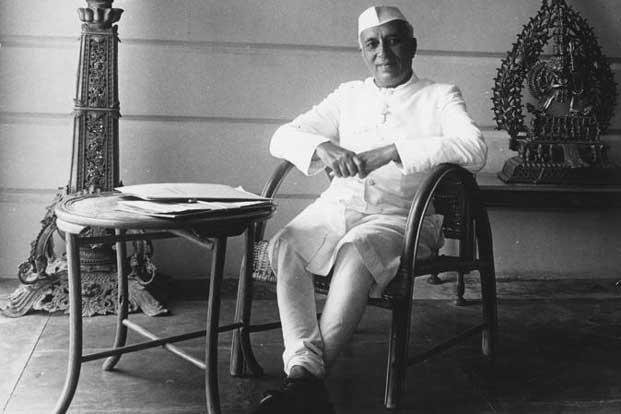 સન 1936માં લખનઉ ખાતે મળેલી કાઁગ્રેસમાં જવાહરલાલ નેહરુએ આપેલા ભાષણ બાદ, વિદેશ અંગેની બાબતોને અગત્ય મળવા લાગ્યું. જગતના સ્તરે જે ગતિવિધિ હતી તેની જાણકારી મેળવાતી ગઈ. સંસ્થાનવાદ, સામ્યવાદની માહિતીવિગતો પણ મેળવાતી ગઈ. બ્રિટનના અન્ય સંસ્થાનો અને તેમાં રહેતા હિન્દીઓની બાબતો પણ તેમાં અગ્રતા મેળવતી રહી. આમ આફ્રિકામાં વસતા હિન્દીઓના પ્રશ્નોની છણાવટ થતી રહી. સરોજિની નાયડુ, મૈથિલીશરણ ગુપ્ત, દીવાન ચમનલાલ, અપ્પા પંત, કાકા કાલેલકર સરીખાં આગેવાનોની સમયસમયની આફ્રિકા-યાત્રાએ, તેમ જ એમનાં સક્રિય માર્ગદર્શનથી પણ નેહરુ – ગાંધીની આગેવાનીવાળા આંદોલનથી હિન્દવી વસાહતને સાંકળાવાનું સહેલું બનતું હતું. વળી, અપ્પા પંતની સક્રિયતાને કારણે આફ્રિકી રાજકારણીઓ તેમ જ નેહરુના વડપણવાળી સરકાર વચ્ચે ઘનિષ્ટતા મજબૂત બનતી થયેલી.
હમણાં હમણાં અપ્પા બી. પંત લિખિત ‘અનડિપ્લોમેટિક ઇન્સિડન્ટ્સ’માંથી પણ પસાર થવાનું બન્યું. એમણે જવાહરલાલ નેહરુ માટેનાં સ્થાન અને માનની અનેક સાહેદી આપી છે. ગઈ સદીના પાંચમા દાયકા વેળા અપ્પા સાહેબ પૂર્વ આફ્રિકા ખાતે ભારતના રાજદૂત હતા અને એમણે જે તે મુલકોની નેતાગીરી સાથે જે ઘનિષ્ઠતા સેવી હતી અને ઊભી કરી હતી તેની આ ચોપડીમાં વિગતે નોંધ લેવાઈ છે. આફ્રિકાના આ સઘળા મુલકમાં જવાહરલાલજી માટે ભારે અગત્યનું સ્થાન રહેતું. દરેક આગેવાન એમનાં માર્ગદર્શન માટે આતુર રહેતા. અને આની સહજ ઝાંખી મારા એ દિવસોમાં મેં ઉપરછલ્લી તો ઉપરછલ્લી જાણી છે, જોઈ છે.
દરમિયાન, ગઈ સદીના પાંચમા દાયકામાં માવતરે મને ગુજરાતમાં ભણવા મુક્યો. સત્તાવનના અરસામાં સાર્વત્રિક ચૂંટણીઓ આવી અને જવાહરલાલજીની કાઁગ્રેસનો દબદબો જોઈને રાજીના રેડ બનતો. એ દિવસોમાં જામનગરમાં દાનવીર શેઠ મેઘજી પેથરાજ શાહની સખાવતથી મેડિકલ કૉલેજ શરૂ થવામાં હતી. જવાહરલાલજી અવસરે જામનગર પધારેલા. બહુ નજીકથી એમને સાંભળવાનો લ્હાવો મળેલો. કેટલીક પરિસ્થિતિઓને લીધે, દરમિયાન, ઘેર પરત થવાનું બન્યું અને એકસઠમાં, મુંબઈ ઉચ્ચ અભ્યાસ માટે જવાનું થયું. રહેવાનું ગામદેવીમાં હતું. ચૌપાટી નજીકનું મથક. કાઁગ્રેસ હાઉસ પણ ખૂબ નજીક. જાણે કે પગડે ઘા ! વળી તે જ અરસે, બાંસઠની ચૂંટણીઓના પડઘમ વાગવા શરૂ થયા, તેથી તેવાકમાં આવા સ્થળોએ નેહરુજી સહિતની અનેક જંગી સભાઓ યોજાતી અને તે દરેકને રૂબરૂ માણતો થઈ ગયેલો. એની વચ્ચે આપણા એક આદરમાન કવિ, રમેશ ગુપ્તાની જોમભરી કવિતાઓ, આવી આવી સભાઓમાં, એમને કંઠે ય ગુંજતી સાંભળતો. એમને મળતો, એમની સાથે વાતો કરતો અને મને શેર શેર લોહી ચડી આવતું.
1962માં ચીને આદરેલા યુદ્ધ વેળા, કવિ ‘પ્રદીપે’ (રામચન્દ્ર નારાયણજી દ્વિવેદી) લખેલું ગીત અને સી. રામચન્દ્રના સંગીત નિર્દેશન હેઠળ લતા મંગેશકરને કંઠે ઝૂમી ઊઠેલું એ ગીત : ‘એ મેરે વતન કે લોગોં …’ સૌ પહેલાં સાંભળવાનો ય મોકો મળેલો. ઓપેરા હાઉસ વિસ્તારના કેનેડી પૂલ પડખે આવેલી ક્વિન મેરી સ્કૂલના પ્રાગંણમાં, એક ખીચોખીચ પણ જંગી સભા મળેલી. જવાહરલાલજી તેમાં હાજર. લતાજીનાં ગાનથી દડદડ આંસુએ રડતા પંડિતજીને બહુ જ નજીકથી જોયાનું પણ સાંભરણ છે.
સન 1964ની 27 મેએ પારિવારિક પ્રસંગે જામખંભાળિયા હતો. પિતરાઈ બહેનનું લગ્ન હતું. વિધિ પતવામાં હતી, ત્યાં જવાહરલાલજીના અવસાનના સમાચાર મળ્યા. તાકીદે જામનગર જવા નીકળી ગયો અને શોકમગ્ન રહી. તે સંબંધક રોજિંદા સમાચારોમાં ખૂંપ્યો રહ્યો. … ખેર !
રફિક ઝકરિયાની સંપાદિત એક ચોપડી છે : ‘અૅ સ્ટડી અૉવ્ નેહરુ’. જવાહરલાલજીની સિત્તરેમી વર્ષગાંઠ નિમિત્ત, જીવનવૃત્તાન્ત સંબંધક નિબંધોની આ ચોપડીમાં કહેવાયું છે :
‘એમણે એમને વ્યામોહિત કર્યા છે; એમણે એમનો પરમ આદર કર્યો છે. દુર્ગમ આદિવાસી વિસ્તારોમાં જ્યાં પહોંચવું જ અઘરું છે, ત્યાં પણ એમનું નામ ઘરેઘરે પ્રચલિત છે; અભણ ગ્રામ્યવાસીઓમાં તો એમનું સ્થાન દેવ સરીખું બની ગયું છે. મોટા ભાગના ભારતીયોમાં એ સમગ્ર જીવનના રૂડા, ખાનદાન તેમ જ સુન્દર પ્રતીક છે. એમની ભૂલો માટે ય એ પ્રશસ્ય રહ્યા છે; એમની નબળાઈઓ માટે ય ચાહના છે. વીરપુરુષોની પૂજાઅર્ચના કરવાવાળા આ મુલકમાં એ વીરપુરુષોના ય પરાક્રમી પુરુષ રહ્યા છે. એમની ટીકાટિપ્પણ કરવી અયોગ્ય લેખાય છે; એમને વખોડવું એ અનાદર-સૂચક છે. … એમના પક્ષથી એ સૌ નારાજ હશે, એમના શાસન હેઠળ એ સૌ દુ:ખી હશે, એમ છતાં એ સૌને એમના પ્રતિ એટલો બધો અનન્યભાવ છે કે એમને કશા ય સારુ જવાબદાર લેખવામાં આવતા નથી.’
વારુ, એક જ કૉલેજમાં ભણતા સહાધ્યાયી ધીરેન મરચન્ટ અને હું, યુવાવસ્થાએ, જવાહરલાલ નેહરુની કોઈ જાતની આલોચના સહી જ શકતા નહીં. ટીકાખોરનો સામનો કરતા કરતા અમે બાખડી ય પડતા ! … વરસો જતાં, આ પ્રકૃતિમાં ફેર પડ્યો છે અને વિચાર, વાણી અને વર્તન હવે વિશેષ વિધેયક તેમ જ ઉદ્દિષ્ટ લક્ષ્ય બન્યાં છે. … ખેર !
વારુ, અબ્રાહમ કાઉલીને ટાંકીને આરંભાયેલી ‘મારી જીવનકથા’ ખૂબ જ અસરકારક લાગી છે. ‘પોતે પોતાના વિષે લખવામાં મજા તો છે, પણ મુશ્કેલી પણ છે; કારણ, પોતાને વિષે કશું ખરાબ લખતાં પોતાને ખટકે અને સારુ કહેતાં સાંભળનાર કે વાંચનારને ખટકે.’ અને નહેરુએ લખ્યાં બીજાં પુસ્તકો, ‘જગતના ઇતિહાસનું રેખાદર્શન’, ‘મારું હિંદનું દર્શન’ તેમ જ ‘કેટલાક જૂના પત્રો’માંથી પણ પસાર થવાનું બન્યું છે ત્યારે જવાહરલાલ નેહરુએ આ લખાણોમાં ‘હું’ને વામન કરી નાંખ્યાનું ચોખ્ખું દેખાતું રહ્યું.
આપણી જબાનના એક ઉત્તમ તંત્રી એટલે દિવંગત યશવંત દોશી. “ગ્રંથ”નામે એક બહુ સરસ સામયિક એ ચલાવતા હતા. ‘પરિચય ટૃસ્ટ’ હેઠળ નીકળતા આ સામયિકના જૂન 1964ના અંકમાં ‘સંસ્કૃિતઓનો સેતુ’ નામે દિવંગત વાડીલાલ ડગલીનો મજેદાર લેખ પણ સામેલ છે. એમાંથી આ બે ફકરા જોઈએ :
‘1936માં નહેરુએ એમની આત્મકથા પ્રસિદ્ધ કરી અને ઇંગ્લેન્ડમાં ખળભળાટ મચી ગયો. એમની આત્મકથામાં ક્યાં ય વંધ્ય રાષ્ટૃવાદનાં દર્શન નહોતાં થતાં. પશ્ચિમની પ્રજાને એક સંવેદનશીલ આંતરરાષ્ટૃીયવાદી વિચારકના એમાં દર્શન થયાં. આત્મકથાએ એકીસાથે અનેક કામ કર્યાં. અંગ્રેજોને થયું કે આ તો આપણા જેવો જ એક માણસ સામ્રાજ્યવાદની નિરર્થકતા વિશે લખી રહ્યો છે. અંગ્રેજો સમજી શકે એવી વાણી(ઈડિયમ)માં નહેરુએ ભારતના સ્વાતંત્ર્યની અનિવાર્યતા સમજાવી. સમાજવાદ, લોકશાહી, વૈજ્ઞાનિક દૃષ્ટિ અને ઉદ્યોગીકરણ વિના ભારતની દશા નહિ બદલી શકાય એ પણ એમણે આત્મકથામાં કહ્યું. ગાંધીજીની કલ્પનાનો સમાજ એમને કેમ પૂરેપૂરો ગળે ઊતરતો નથી એ પણ એમણે પોતાના દેશવાસીઓને કહ્યું. પંડિતજીએ પોતે આત્મકથા લખીને આંતરરાષ્ટૃીય ક્ષેત્રે અસાધારણ પ્રતિષ્ઠા પ્રાપ્ત કરી. આઝાદી આવી અને નહેરુ વડા પ્રધાન થયા ત્યારે દુનિયાને નવાઈ એટલા માટે ન થઈ કે પેલી મહાન આત્મકથાના લેખક જ સત્તા પર આવ્યા હતા.
‘આમ તો, એમના પ્રકાશકે પંડિતજીને ભારતની રાષ્ટૃીય ચળવળનો ઇતિહાસ લખવાનું કહ્યું હતું પણ એમણે એક કળાકારની ખુમારીથી એમની આગવી શૈલીમાં જ આ ઇતિહાસ લખ્યો. એમનું જીવન અને રાષ્ટૃનું જીવન એકબીજા સાથે એટલાં બધાં ઓતપ્રોત થઈ ગયાં હતાં કે એકને મૂકીને બીજા વિશે લખવા જાય તો તે કથા અધૂરી જ રહી જાય. આત્મકથા દ્વારા, ખરી રીતે તો, જવાહરલાલજીએ ભારતના મુક્તિસંગ્રામનું એક મહાકાવ્ય લખ્યું છે.’
“ગ્રંથ”ના અૉગસ્ટ 1964ના નેહરુ વિશેષાંકમાં, રવિશંકર સં. ભટ્ટનો સરસ લેખ છે. એ આરંભે લખે છે : ‘પંડિત જવાહરલાલ નેહરુની ‘આત્મકથા’ના પ્રકાશન પ્રસંગે તેમને અભિનંદન આપવા મુંબઈમાં એક સભા મળી હતી, તેમાં સુપ્રસિદ્ધ અમેરિકન લેખક જૉન ગન્થરે એ ગ્રન્થની ‘સાંપ્રતકાળની − બલકે સદાકાળની – સૌથી વિશેષ હૃદયંગમ આત્મકથા’ તરીકે પ્રશંસા કરી હતી. એ સર્વાંશે યથાર્થ હતી કારણ કે આત્મકથાએ લાખો હિંદીજનોના તેમ જ જુદા જુદા દેશોના યુવાન અને પ્રગતિશીલ જનોના મનને ગાઢ અને પ્રેરણાદાયી અસર કરી છે. તેનાં ભાષાંતરો જગતની આશરે 29 ભાષાઓમાં થયાં છે અને તેને પરિણામે પંડિતજીને એક અગ્રગણ્ય લેખક અને વિચારક તરીકે આંતરરાષ્ટૃીય ખ્યાતિ મળી છે. ‘આત્મકથા’નાં ભાષાંતરો હિંદની પ્રદેશિક ભાષાઓમાં થયાં છે અને ગુજરાતીમાં સ્વ. મહાદેવભાઈ દેસાઈનો અનુવાદ સુંદર છે.’
ગગનવિહારી મહેતા આ અંગે જણાવે છે તેમ, ‘મહાદેવભાઈએ કેવી રીતે એનો અનુવાદ કર્યો હતો એનો ઉલ્લેખ અહીં અપ્રસ્તુત નથી; એમણે પોતે એની વાત કહી હતી. પોતે રેંટિયો કાંતતા જાય, સામે ‘Autobiography’નું પુસ્તક ટેકવીને રાખે અને અનુવાદ કરતા જાય જે એમના પુત્ર નારાયણ લખી લે ! અતિશય સરસ આ અનુવાદ છે એ કહેવાની જરૂર નથી.’
આ અનુવાદના આરંભે, મહાદેવભાઈએ ચૌદ પાનમાં પથરાયો અભ્યાસુ ઉપોદ્દઘાત આપ્યો છે. કોઈ પણ અનુવાદક માટે, કોઈ પણ અભ્યાસુ માટે આ પાનાંઓ દીવાદાંડીની ગરજ સારે છે. આરંભમાં જ અનુવાદક ફોડ પાડીને કહે છે : ‘પંડિત જવાહરલાલનું પુસ્તક નથી ગાંધીજીની વિરુદ્ધ પ્રચાર, કે નથી ‘ગાંધીવાદ’ની સામે પડકાર. પ્રસંગે પ્રસંગે ગાંધીજીના જીવન અને વિચારનું પૃથક્કરણ કરતાં જવાહરલાલે ગાંધીજીને ઊભરાતા પ્રેમથી ભરેલી અને શુદ્ધ ભક્તિથી જે અંજલિ આપી છે, તેની બરોબરી પણ કરવાની કોઈ ગાંધીજીના અનુયાયી કે ભક્તની મગદૂર નથી, એમ મારું હૃદય સાક્ષી પૂરે છે.’
વાડીલાલ ડગલી કહે છે તેમ, આત્મકથામાં એ સ્પષ્ટ થયું કે નહેરુ પશ્ચિમના પ્રશંસક હતા પણ પશ્ચિમના આંધળા ભક્ત ન હતા. પશ્ચિમની આંખે જ બધું જોવાય અને મૂલવાય એમાં એમનું સ્વમાન ઘવાતું હતું. આત્મકથા લખી એ પહેલાં એમણે 1934માં ‘ગ્લિમ્પસિઝ અૉફ વર્લ્ડ હિસ્ટરી’ (જગતના ઇતિહાસનું રેખાદર્શન) પ્રગટ કર્યું હતું. તેની પાછળ પણ પ્રધાન ઉદ્દેશ એ હતો કે માનવસંસ્કૃિતના વિકાસની કથા એશિયાના દૃષ્ટિકોણથી પણ નિહાળવી જોઈએ. પશ્ચિમની ક્રિયાશીલ સંસ્કૃિતનું પાસું જવાહરલાલે ભારતની પ્રજા સમક્ષ છતું કર્યું પણ ભારતની સંસ્કૃિત શું છે એ પ્રશ્ન એમને મૂંઝવતો હતો. આપણો અધ્યાત્મ વારસો શું છે એ સમજવાનો પંડિતજીએ પ્રયત્ન કર્યો ‘ધ ડિસ્ક્વરી અૉફ ઇન્ડિયા’(મારું હિન્દનું દર્શન)માં. 1946માં પ્રસિદ્ધ થયેલા આ ગ્રંથમાં આપણને પંડિતજી અને ભારતની સંસ્કૃિત એમ બંનેના પ્રાણતત્ત્વનાં દર્શન થાય છે. ‘ડિસ્ક્વરી અૉફ ઇન્ડિયા’માં કમળા નહેરુના છેલ્લા દિવસોનું જે વર્ણન છે તે વર્ણનનાં થોડાં પાનાં વિશ્વસાહિત્યના ઉત્તમ પ્રતિનિધિ સાથે બેસી શકે તેમ છે.
એક અતિશય કાર્યરત, બહુશ્રુત અને સંસ્કારવાંછુ પિતાએ પોતાની ઉંમરલાયક થતી જતી પુત્રીના માનસઘડતર માટે જગતના મહાનુભાવો અને પ્રશ્નોનો તેને પરિચય કરાવવા માટે જગતનો ઇતિહાસ અંગત અને અનૌપચારિક પત્રો દ્વારા રજૂ કર્યો. પ્રાધ્યાપક નગીનદાસ સંઘવીએ વધુમાં નોંધ્યું છે તેમ, ‘ઊંચે આસને બેસીને વિદ્યાર્થીને પઢાવીને પોપટ બનાવી મૂકવા ઇચ્છતા પંડિતનું આમાં ક્યાં ય દર્શન થતું નથી. વાત્સલ્યથી માથે હાથ ફેરવતાં ફેરવતાં ઇતિહાસના રસનું સિંચન પોતાના સંતાનમાં કરતા વડીલનું ચિત્ર અહીં દેખાય છે. અહીં વિદ્વતા છે પણ તેનું ભારેખમ ગાંભીર્ય નથી. સંસકારની ઝંખના છે પણ અમુક જ સંસ્કારનો આગ્રહ નથી.’
‘જગતના ઇતિહાસનું રેખાદર્શન’, વળી, ઇતિહાસનું પાઠ્યપુસ્તક નથી અને ઇતિહાસની તમામ હકીકતોનું વિગતવાર જ્ઞાન આપવું એ તેનો હેતુ પણ નથી.
જવાહરલાલ નેહરુનું ‘મારું હિન્દનું દર્શન’ પુસ્તક અત્યન્ત મહત્ત્વનું અને નોંધપાત્ર છે, એમ કા.ના. સુબ્રમણ્યમ્ નોંધે છે. એમના મતાનુસાર, જવાહરલાલની સાથે ઊછરેલી આખી પેઢીના હિન્દ દર્શન કરતાં એ ભિન્ન હતું.
પુસ્તક તરીકે જોઇએ તો નેહરુનું આ છેલ્લું પુસ્તક છે. આ પુસ્તકમાં જવાહરલાલની ઊંડી સૂઝ અને આંતરદર્શનની વાચકને પ્રતીતિ થાય છે. ‘ડિસ્ક્વરી અૉફ ઇન્ડિયા‘ લખ્યા પછી નેહરુ બીજું કોઈ પુસ્તક લખી ન શક્યા તે રંજની વાત છે. … જ્ઞાનેશ્વર કુલકર્ણી કહે છે તેમ, પણ આવું કોઈ પુસ્તક ન લખાયાના આશ્વાસનરૂપે ‘અૅ બન્ચ અૉફ અૉલ્ડ લેટર્સ‘ (કેટલાક જૂના પત્રો) પુસ્તકમાં નેહરુનો જીવન – ઘડતરકાળ આલેખવામાં આવ્યો છે અને તે આલેખનારાં છે તેમનું જીવન ઘડનારાં સ્ત્રી-પુરુષો.
‘મહાદેવભાઈની ડાયરી’માં નોંધાયું છે : ‘એમના પુસ્તકના પાને પાને એક વસ્તુ રહી છે : “જ્યાં આદર્શો જ્વલંત રહે અને હૈયાં અડગ હોય ત્યાં નિષ્ફળતા હોય જ નહિ. ખરી નિષ્ફળતા તો સિદ્ધાંતના ત્યાગમાં, પોતાનો હક જતો કરવામાં, અને અન્યાયને ભૂંડી રીતે વશ થવામાં છે.”’ બીજી તરફ, સર્વપલ્લી રાધાકૃષ્ણન્ લખતા હતા : ‘નેહરુ એક ઉચ્ચ કોટિના લેખક હતા. તેમની આત્મકથા આપણા જમાનાની એક અત્યન્ત નોંધપાત્ર કૃતિ છે. કાંઈ પણ રોદણાં રોયા વિના કે આપવડાઈ વિના તેમણે એમાં તેમના જીવનની અને આઝાદીજંગની કથા આલેખી છે.’
‘સંસ્કૃિતઓનો સેતુ’ નામક પોતાના નિબંધમાં વાડીલાલ ડગલી આ ફકરા સાથે નિબંધને આટોપે છે :
‘વિજ્ઞાને અંતરને નાથ્યું છે. દૂરદૂરના ખંડો હવે પાડોશી બની ગયા છે. ગઈ કાલની ભૌગોલિક સરહદો નકામી બની ગઈ છે. અંતર ઘટ્યું છે પણ ભય વધ્યો છે. આવા ભયની આબોહવામાં માનવસંસ્કૃિત કરમાઈ રહી છે એમ કહી જવાહરલાલજીએ દુનિયાની મહાસત્તાઓના અંતરાત્માને જગાડવા પ્રયત્ન કર્યો. ક્યારેક ભારતનું કામ એક બાજુ હડસેલીને પણ પંડિતજીએ માનવજાતની આ મહાત્ત્વાકાંક્ષી સેવા કર્યે રાખી. આ કારણે જ આવા વિધાયક વિચારકના જવાથી ખંડેખંડેમાં વિષાદ ફેલાયો હતો. જવાહરલાલજીના અવસાનને દિવસે ભારત અને દુનિયા વચ્ચેનું અંતર નામશેષ થયું હતું.’
શશી થરૂરે આપી અનેક ચોપડીઓમાં એક ગમતી ચોપડી છે : ‘નેહરુ ધ ઇન્વેન્શન અૉફ ઇન્ડિયા’. આ પુસ્તકનો આખરી ફકરો, અનુવાદે, અહીં લેતા લેતા વિરામીએ :
‘એમના મેજ પર, જવાહરલાલ બે ગણચિહ્ન રાખતા — મહાત્મા ગાંધીની સોનેરી નાની મૂર્તિ અને અબ્રાહમ લિંકનના હાથની કાંસ્ય પ્રતિમા. સમય સમય પર એમને સ્પર્શતાં સ્પર્શતાં એ ઉષ્માહૂંફ મેળવી લેતા. એમને સારુ પ્રેરણાનો પટ ક્યાં લગી લંબાતો તેની ઝાંખી આપણને એમાંથી મળી જાય છે : મહાત્માના અંતર સુધીની પહોંચ મેળવીને તેમ જ લિંકનના હાથ સમ શક્તિ પ્રાપ્ત કરી કોયડાઓના ઉકેલ સારુ એ મથતા રહે, તેમ એમણે વારંવાર કહ્યું જ છે. નેહરુનો સમય, અલબત્ત, ક્યારનો પસાર થઈ ગયો છે; પરંતુ દેશની બૌદ્ધિક વિરાસત કેટકેટલી ટૂંકાઈ છે તેની સાહેદી આપણે આમાંથી જડે છે − આ બન્ને ચીજને હવે સંગ્રહાલયમાં મૂકી દેવાઈ છે અને એમના વારસદારોએ ફક્ત મેજનો વપરાશ રાખ્યો છે.’
પાનબીડું :
સરોજિની નાયડુનો પત્ર
હૈદરાબાદ (દક્ષિણ),
દિવાળી, 1939
પ્રિય જવાહર,
તમારી પહેલી અર્ધી સદીનું જીવન ક્યારનુંયે ઇતિહાસ, લોકગીતો તથા લોક કથાનો વિષય બની ચૂક્યું છે. હવે પછીની અર્ધી સદીનાં આરંભનાં વરસો તમારાં સ્વપ્નો તથા તમારી કલ્પનાઓને ફળીભૂત કરનારાં નીવડો તથા માનવપ્રગતિના ઇતિહાસમાં તમને એક સર્વોત્કૃષ્ટ મુક્તિદાતા તરીકે અમરત્વ આપનારાં થાઓ …
હું તમને રૂઢિગત ‘સારી ભેટો’થી નથી નવાજી શકતી. અંગત સુખ, સગવડો, આરામ, સંપત્તિ તથા સામાન્ય માનવીની પૂંજીરૂપ એવી બીજી વસ્તુઓને તમારા જીવનમાં ઝાઝું સ્થાન છે, એમ મને નથી લાગતું. … દુ:ખ, યાતનાઓ, બલિદાન, ગમગીની, ઘર્ષણ … હા, આ બધી તમારે માટે વિધિનિર્મિત ભેટો છે. પરંતુ તમે કોઈ ને કોઈ રીતે તેમને રોમહર્ષણ આનંદ, વિજય − સ્વતંત્રતામાં પલટી નાખશો … તમે વિધિના સંતાન છો − જનસમુદાયની વચ્ચે એકાકી રહેવાને, તેમના અખૂટ પ્રેમપાત્ર થવાને, પરંતુ તેમને માટે કોયડારૂપ રહેવાને સરજાયા છો …
તમારો ખોજની યાત્રાએ નીકળેલો આત્મા તેના લક્ષ્યને પામો તથા સચ્ચિદાનંદનો સાક્ષાત્કાર કરો.
તમારી કવિ બહેન તથા ખોજની સહયાત્રી બહેનના આ આશીર્વાદ છે.
સરોજિની નાયડુ
(‘કેટલાક જૂના પત્રો’, અનુવાદક : મણિભાઈ ભ. દેસાઈ, નવજીવન પ્રકાશન મંદિર, જૂન 1962, પૃ. 458)
હૅરો, ફેબ્રુઆરી – 20 માર્ચ 2015
e.mail : vipoolkalyani.opinion@btinternet.com