

જાહેરમાં થૂંકવું એ બધાની તંદુરસ્તી માટે હાનિકારક છે
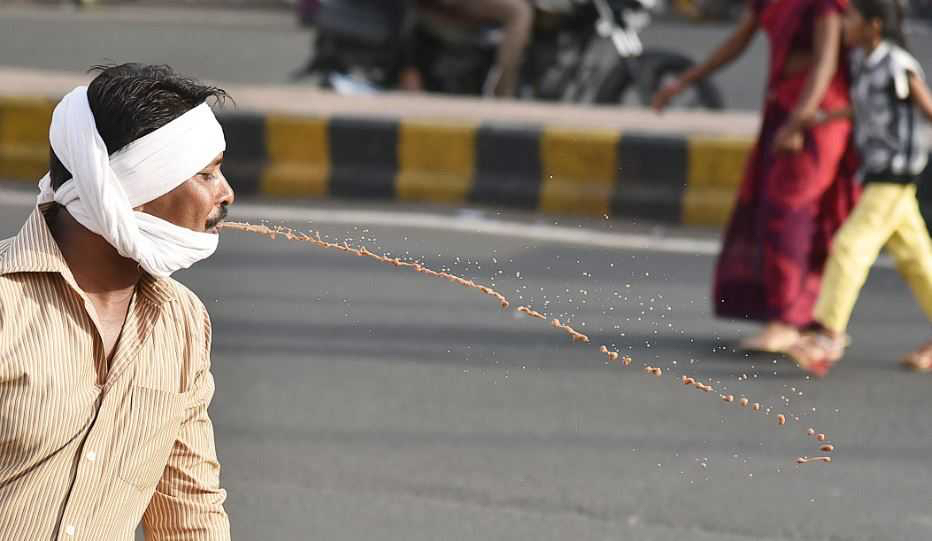
નથી હું સ્ત્રી કે નથી હું ગરીબ. હું દલિત કે આદિવાસી નથી. હું વૃદ્ધ કે વિકલાંગ પણ નથી. હું ખેડૂત નથી કે સરકારનો વિરોધી તો હું બિલકુલ નથી. છતાં મને અમદાવાદની લગભગ તમામ જાહેર જગ્યાઓ પર સખત ડર લાગે છે. મને થૂંકનો ડર લાગે છે. થૂંક ગમે તે અથવા બધી દિશાએથી મારી પર આવી પડી શકે છે. શહેરના રસ્તા પર આપણી આગળ જઈ રહેલ પુરુષ પિચકારી મારે ને તે આપણી પર ઊડે છે. થૂંકવામાં સાયકલ કે પગરિક્સા પર જનાર મજૂર, ફૅન્સી બાઇક ચલાવનાર યુવાન કે મોંઘીદાટ ગાડી ચલાવનાર શેઠિયો બધા એક સરખા જ હીન કક્ષાના હોય છે. બસની બાજુમાં વાહન ચલાવનાર પર અંદરથી લાળાભિષેક થાય છે. રસ્તાની બાજુમાં ચાલવાની કોશિશ કરતાં હોઈએ ને ચાની કીટલી પરથી કોગળો આવે છે, પાનના ગલ્લેથી પિચકારી છૂટે. બગીચામાં તન-મનદુરસ્તી માટે ચાલતા હોઈએ ત્યાં આગળ ચાલતા નાદુરસ્ત માણસ ડાબી કે જમણી તરફ કે વારાફરતી બંને તરફ થૂંકતા હોય છે. પાછળનાના બળખા સંભળાતા હોય છે. સફાઈકર્મચારીએ માવજતથી વાળેલા બગીચામાં બાંકડા પર બેસી ઊગતા સૂર્ય સામે મુખ રાખી ઓમકાર કરનાર માણસ ત્યાં જ બેઠો બેઠો પોતાની સામેની જ મૃદુ માટીમાં ગળફો થૂકે છે. તમાકુ કે મસાલાના ડૂચા મોંમા રાખીને વાત કરનારા થોડી મિનિટો વાત કરે એટલામાં તો આજુબાજુ છંટકાવ કરી દેતા હોય છે. ટ્રાફિક સિગ્નલ કે બીજે જ્યાં-ક્યાં રોકવું પડે ત્યાં ઓછામાં ઓછું એક વખત તો થૂંકાઈ જ જાય એવું કંઈક મનોશારીરિક તંત્ર અનેક જણમાં ગોઠવાયેલું હોય છે. બસસ્ટૅન્ડ, બસ, પ્લૅટફૉર્મ, ટ્રેઇન, ઇમારતોના દાદરા, ફૂટપાથ, હોસ્પિટલની લૉબીઓ, બગીચા, છબિઘરો, સભાગૃહો, પાર્કિંગ દરેક સંખ્યાબંધ જાહેર જગ્યાએ થૂંકીને પોતાની હીન હાજરી નોંધાવી જોઈએ એવી માન્યતા પણ થૂંકનારામાં વ્યાપક છે. મોટા ભાગના થૂંકનારામાં થૂંકવા બાબતે કોઈ રંજ હોતો નથી. તેમનું જાહેરમાં ન થૂકવા તરફ ધ્યાન દોરીએ કે થૂંક આપણી પર ઊડતાં આપણે ગુસ્સે થઈએ ત્યારે થૂંકનારમાં ભૂલનો ભાવ ભાગ્યે જ હોય છે. સદ્દભાગ્યે દિલગીરીના શબ્દો સાંભળવા મળે તો તેમાં પોતાના તરફના અપરાધભાવ કરતાં સામા માણસ પરના અહેસાનભાવ સાથે ‘સૉરી’ તેના મોં પર ફેં(થૂં)કાતું હોય છે. મોટે ભાગે તો ‘તારે શું લેવા દેવા ?’, ‘આ તો તારે દેખ્યાનું દાઝવું છે !’, ‘મારે તો જે કરવું હોય તે કરું, તું થાય એ કરી લે’, ‘તારી પર ક્યાં ઊડ્યું, બતાવ’, જેવી નફ્ફટાઈ જ જોવા મળે છે. સ્ત્રીઓ જાહેરમાં ભાગ્યે જ થૂંકે છે.
આપણી પર ઊડેલું બીજાંનું થૂંક આપણા શરીરને ઇજા પહોંચાડે એના કરતાં કરતાં ય મનમાં સૂગનો જે ભાવ જન્માવે તે વર્ણવવા માટે શબ્દો ઓછા પડે; થૂંકનારા માટે જે ધૂત્કાર જ્ન્મે તે વર્ણવવા માટે અપશબ્દો ઓછા પડે. આપણી પર થૂંક ઊડાડનારને દુનિયાના અત્યંત ગંદામાં ગંદા, અસંસ્કારીમાં અસંસ્કારી માણસોની હરોળમાં મૂકવા પડે. લેખકો કેટલીક વખત પાન કે તમાકુ ખાઈને પિચકારી મારવાની અૅક્શનને હિરોની ગૌરવભરી ખાસિયત તરીકે ચીતરતા હોય છે. થૂંકવું એ હાસ્યકારો થૂંકવાને વ્યંગ-કટાક્ષ માટેનો વિષય બનતો હોય છે. પણ ખરેખર તો થૂંકવું અને થૂંકનાર એ કેવળ અને કેવળ અનહદ તિરસ્કારનો જ વિષય હોઈ શકે.
અલબત્ત, થૂંકવા માટેનો ધિક્કાર એ માત્ર વ્યક્તિસાપેક્ષ અંગત ગમા-અણગમાની બાબત નથી. ભણેલા કે સુધરેલા ગણાતા માણસોને એ ભાગ્યે જ કહેવાની જરૂર છે કે થૂંકવું એ લોકોની તંદુરસ્તી માટે ખૂબ હાનિકારક પરિબળોમાંનું એક છે. એ જાહેર સ્વચ્છતા અને સ્વાસ્થ્ય સામેનું મોટું જોખમ છે. જાહેરમાં થૂંકવા અને નાક સાફ કરવા પર દેશમાં સહુ પ્રથમ પ્રતિબંધ લાવનાર કેરળની સરકાર છે. તેણે 2006માં વડી અદાલતના સૂચન મુજબ આ પ્રતિબંધ લગાવ્યો. અદાલતે થૂંક અને કફ થકી ફેલાનારા રોગોની આ મુજબની યાદી આપી હતી : ટ્યુબરક્યુલોસીસ (ટીબી), ઇન્ફ્લુએન્ઝા, ન્યુમોનિઆ, અછબડા, ડિપ્થેરિયા, એન્ડેમિક ફીવર અને મોટી ઉધરસ. તમાકુ ખાનારાએ એ વાત પણ યાદ રાખવાની છે કે મોંના કૅન્સરની બાબતે ભારત દુનિયામાં અગ્રણી સ્થાન ધરાવે છે ! મહારાષ્ટ્ર સરકારે 2015માં થૂંકવા સામેનો કાયદો કર્યો. તે અંગે વાત કરતા મહારાષ્ટ્રના આરોગ્ય મંત્રી દીપક સાવંતે જણાવ્યું હતું કે થૂંકવું એ ટીબીના રોગીઓની સંખ્યામાં વધારા પાછળનું એક કારણ છે. થૂંકવા સામે પશ્ચિમ બંગાળમાં 2003માં થયેલો કાયદો અસકારક નીવડ્યો નથી. એટલું જ નહીં પણ લોકોના થૂંકવાને કારણે હાવડા બ્રિજના થાંભલાના પાયા જોખમમાં આવ્યા છે. પાન ખાઈને પેદા થયેલા થૂંકમાં કાથો, સોપારી, ફોડેલો ચૂનો અને ટૅનિન જેવાં દ્રવ્યો ભળેલાં હોય છે. પાન ખાઈને પુલ પરથી અવરજવર કરનાર લોકોનાં મોંમાંથી આ સંયોજનનો સતત મારો બ્રિજના થાંભલા પર થયા કરે છે. તેનાથી ગયાં પંચોતેર વર્ષમાં હાવરા બ્રિજની ધાતુઓને વરસાદ કે વાવાઝોડા કરતાં ય વધુ નુકસાન પહોંચ્યું છે. એટલે હવે થાંભલાના પાયાના ભાગ પર જાડા ફાયબરના કવર લગાવવાની યોજના વિચારાઈ છે. થૂંકવાને કારણે પડેલા ડાઘ સાફ કરવા માટે ભારતીય રેલવે દર વર્ષે કરોડો રૂપિયા ફાળવે છે.
ઇંગ્લેન્ડની પ્લાયમાઉથ યુનિવર્સિટીના રૉય કુમ્બરે કરેલા અભ્યાસ મુજબ ભારત, ચીન અને દક્ષિણ કોરિયા સહુથી વધુ થૂંકતા દેશો છે. એશિયાના કેટલાક અને પશ્ચિમના ઘણા ખરા દેશોમાં જાહેરમાં થૂંકવાની બદી જવલ્લે જ મળે છે. તેની પાછળ અમેરિકા અને યુરોપમાં ઓગણીસમી સદીમાં થૂંકવા વિરુદ્ધ ચાલેલા અભિયાનો છે. અમેરિકામાં 1890ના દાયકામાં ટીબી રોકવા માટે ‘લન્ગ અસોસિએશન’ દ્વારા જે કામગીરી હાથ ધરવામાં આવી તેમાં થૂંકવાની બદઆદત સામે લોકોમાં જાગૃતિ લાવવામાં આવી. ‘સ્પિટ ઇઝ પૉઇઝન’ એ સૂત્ર ફેલાવવામાં આવ્યું. ઠેરઠેર થૂંકદાનીઓ મૂકાવવામાં આવી. જાહેરમાં થૂંકવું એ અનૈતિક પણ ગણવામાં આવ્યું. વળી તેને ક્રાઇમ અગેઇન્સ્ટ પબ્લિક હેલ્થ ગણીને કાયદા ઘડવામાં આવ્યા. ફ્રાન્સે 1886માં અને ઇટાલીએ 1901માં કાયદો ઘડ્યો. નારીવાદી ચળવળ પચાસના દાયકામાં જોડાઈ. ઇંગ્લેન્ડમાં કાનૂની માર્ગો કરતાં લોકોને સમજ આપવા પર વધુ ભાર મૂકવામાં આવ્યો.
આપણે ત્યાં પાન ખાવું એ ઇતિહાસના જુદા જુદા તબક્કે સંસ્કૃિતનો હિસ્સો રહ્યો છે. પણ તેની સાથે આપણે જાહેર સ્વચ્છતાની સંસ્કૃિતનો ભાગ્યે જ કોઈ ખ્યાલ આપણે ત્યાં જાગ્યો છે. એટલે આપણે ‘પાન ખાય સૈયાં હમારો’ અને ‘ખઈકે પાન બનારસવાલા’ એવું બધું ગાયા કર્યું, પણ પેલું ‘સ્પિટ ઇઝ પૉઇઝન’ જેવું આપણને કંઈ સૂઝ્યું જ નહીં. આપણને એવું પણ ન થયું કે સદીઓથી આપણા અસ્તિત્વ માટે આપણે ધરતી માતાને ખેડીને, તેને ખોદીને તો તેની પર ત્રાસ ગુજારીએ જ છીએ. ખરેખર તો આપણે તેને દરેક પગલે ‘પાદસ્પર્શ ક્ષમસ્વ મે’ એવું કહેવાનું છે. એ તો બાજુ પર રહ્યું. આપણે તેની પર થૂક્યા જ કરીએ છીએ.
++++++
08 જૂન 2017
e.mail : sanjaysbhave@yahoo.com
‘ક્ષિતિજ’ નામે લેખકની સાપ્તાહિક કટાર, “નવગુજરાત સમય”, 09 જૂન 2017

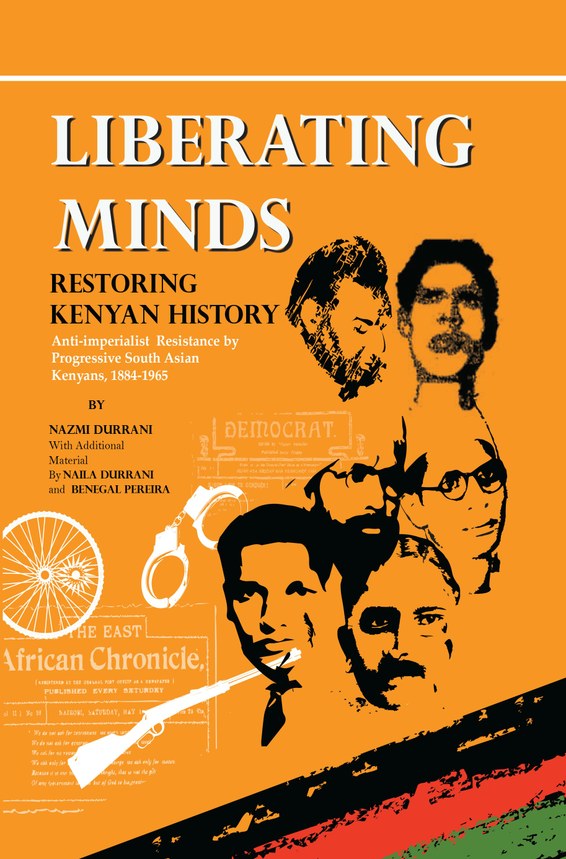 The message of this book is that against colonial oppression there was resistance, and `Liberating Minds` were the voices of activists and others who opposed British rule in Kenya. This represented a strand of history that has been selectively pieced together and documented here. The raison d'être of the work however is Nazmi Durrani, and it is his considered writings about them that form the main thrust of the narrative, supplemented with biographical notes about his own background and trajectory. These point to his `transition from a left-leaning intellectual to a political activist` within a relatively short timescale from the end of the 1970s to his untimely death on July 1, 1990 at the age of 48. It was during this period that he wrote purposefully in original Gujarati, and some in Kiswahili. Readers of Opinion may recall the series of his Biographies of Progressive South Asian Kenyans which appeared on this forum last year (2016). These are now republished yet again, with English translations.
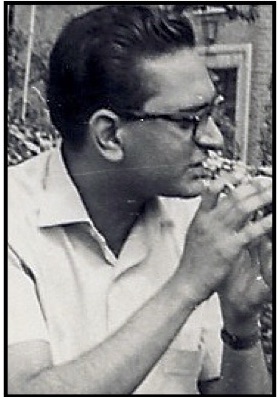 Then, under the rubric `South Asian Kenyan Resistance in Historical Context`, comes the longest single piece, spread over 27 pages: Naila Durrani`s 1987 paper `South Asian Kenya Participation in People`s Resistance`, originally prepared for presentation to a conference of Kenyan overseas political organisations which came together in London to form a united front aligned to the underground Mwakenya-December Twelve Movement dedicated to fight the authoritarian regime of President Moi. This was a wide-ranging discourse in which, among other things, she traced the evolution of the Kenya Asian working class in conflict with the exploitative powerhouses of the big British financiers and industrialists of the early colonial period into a successful and upwardly mobile bourgeoisie of petty traders, merchants, technicians and professionals who, though in the past had played a pivotal role in the fight against imperial rule, aiding and joining hands with their indigenous African counterparts, nevertheless have at different points since during the journey “been exposed to double oppression as a class and as a minority nationality far removed from their land of origin” and who “often seek protection by looking up to the few, very rich members of the upper and the middle petty bourgeois Asian Kenyans.” Her focus however was on the historical class basis of the conflict between ruler and subject, going back to the building of the railway and the influence of the worldwide anticolonial Ghadar movement that had spurred its followers in Kenya to resort to revolutionary activity during WWI resulting in imprisonment and death sentences for some of them. She also discussed the rise and role of the progressive Asian stalwarts mentioned above.
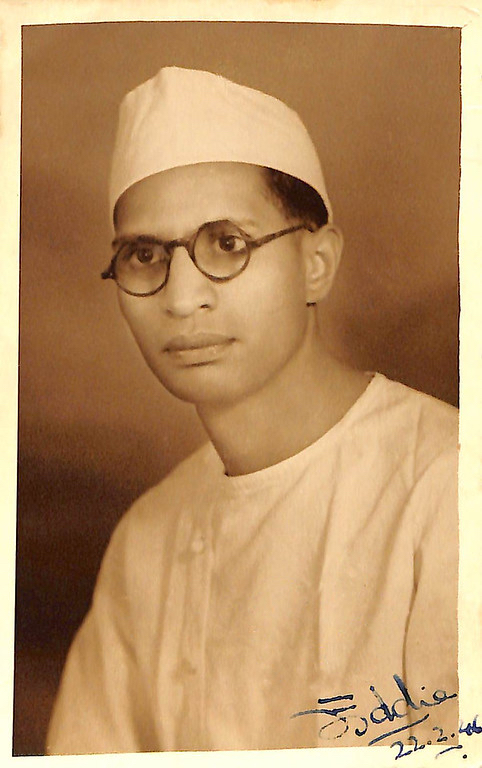 The next item featured in this section of the book is a most fascinating and revelatory contribution by Benegal Pereira about the `Life and Times of Eddie H Pereira (1915-1995)`, his father, whom he justly and proudly describes in the title as `Indian Nationalist Extraordinaire in Kenya`. Eddie was a fiercely anti-colonial Kenya Indian Goan patriot, who was born in Mombasa in 1915, in the middle of WWI. As Benegal writes: “He lived through a still greater war, and more significantly, witnessed the end of colonialism in both India and Kenya and the rise of these new nations from their more or less bloody births and their memories of ancient splendours”. His passion to fight for freedom and equality was inspired by his time in India as a student during the 1930s at the height of the nationalist movement, and so when he returned to Kenya, fired up by Gandhian ideals, he began to make his opposition to colonial rule vocal in whatever way he could. He became famous for his feisty and fearlessly expressed letters to newspapers in which he castigated not only the white ruling class and structure of government but also his fellow Goans for siding with the imperialists and for their Portuguese-Indian split psyche and pretensions. He always boldly signed off these letters with `Jai Hind`. He wore traditional Indian clothes made of khadi and sported a white Gandhi cap, and his profile in that attire adorns the chapter and makes a stunning impression. He had attained such notoriety and so offended the authorities as to be hauled before a court on a trumped up charge (which was more in the nature of a civil wrong than a criminal act) and sentenced to a term of six months` imprisonment. A number of these letters have been reproduced in the book. These, under such headings as `These Whites`, `Equality for Goans`, `Goans` Unity` and his contemptuous dismissal of `Portuguese Metroplitan Status for Goa`, stand as proof of the ferocity of his views. He was, alas, murdered in Nairobi on January 25, 1995, and the case has remained unsolved to date. As Benegal informs us, he left behind the manuscripts of three unfinished books: one was to be his autobiography, while the other two were entitled `A Trail Blazer Century: The History of Indians in Kenya` and `Goans in Kenya: A New Breed.` These he is hoping to publish in due course.