

Opinion Magazine
Number of visits: 9773712
  •  Home
  • Opinion
    • Opinion
    • Literature
    • Short Stories
    • Photo Stories
    • Cartoon
    • Interview
    • User Feedback
  • English Bazaar Patrika
    • Features
    • OPED
    • Sketches
  • Diaspora
    • Culture
    • Language
    • Literature
    • History
    • Features
    • Reviews
  • Gandhiana
  • Poetry
  • Profile
  • Samantar
    • Samantar Gujarat
    • History
  • Ami Ek Jajabar
    • Mukaam London
  • Sankaliyu
    • Digital Opinion
    • Digital Nireekshak
    • Digital Milap
    • Digital Vishwamanav
    • એક દીવાદાંડી
    • काव्यानंद
  • About us
    • Launch
    • Opinion Online Team
    • Contact Us

The woman behind the Mahatma

Shail Raghuvanshi|English Bazaar Patrika - Sketches|4 March 2014

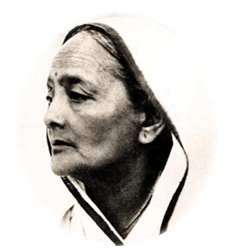
Kasturba Mohandas Gandhi

Mahatma Gandhi, the Father of the Nation needs no introduction. That he worked hard to transform himself from Mohandas Karamchand Gandhi to the Mahatma, everyone knows. That he fought hard to help India and its citizens to get their deserved freedom is also well known. Though, how much of it is appreciated today I am not very sure. What few know or even bother to remember is the person behind the Mahatma's success. Yes, indeed. I am referring to Kasturba Gandhi, the simple, unassuming wife of the Mahatma.

Born Kastur Kapadia in Porbabdar, she became Kastur Ba after marrying Gandhiji. She bore him four sons – Harilal, Manilal, Ramdas, and Devdas. History offers proof of the sacrifices that this woman made to enable the Mahatma to work towards procuring freedom for India. Adjusting to a new way of life, giving up the little pleasures that every married woman desires, letting go of dreams that any girl has of wedded life – this and a lot more did Kasturba do, just to let her husband lay a foundation for the task that lay ahead of him. Kasturba let the revolution that ushered in independence usurp her dreams and desires. Not an easy thing to do. Understanding the power of sacrifice for a noble cause is something that requires a lot of self-introspection which most people do not have. But do we remember Kasturba for all that she did?

In many ways, Kasturba’s relationship with Gandhiji was like any other wife in most Indian homes. Most of the time, the man-woman equation is unequal, particularly so for Kasturba and Gandhiji as they were married in an age when equality of rights in an Indian marriage was something unheard of. Arun Gandhi, the grandson of Kasturba and Mahatma Gandhi, says in his book, Kasturba: A Life, “The story of my grandmother’s life is simply this: while Mohandas experimented with truth, Kasturba experienced it.”

Of course, this certainly does not belittle all that Gandhiji did for us. Even today, I credit my freedom to him and will always do. I am only trying to see another aspect into the Gandhiji saga. Kasturba is said to have always been caring and ever helpful. More than anything else, she was always patient with her husband. Having been forced to do without a lot of amenities, she did not permit her husband’s power with the masses to go to her head. Again, something very difficult to do, as pride in a husband’s power and fame is very normal for any woman. Poverty and celibacy were ways of life she willed herself to accept – tough decisions to make. So many times, in our hurry to acquire and maintain a career, so many times in our obsession to live the lives of liberated women, we tend to disregard qualities that define a woman. Yes! They are love and sacrifice. I know! I know! You might rightfully ask me as to why sacrifices need to be made by women alone. Men can make them too! True! But, we cannot generalize in today's world. Not all men are selfish. So many men make sacrifices we never get to hear about. Many men today are volunteering to care and help around in the house. But it is a fact that, even today, women are expected to be loving, to run the household, work outside, take care of the needs of their families and still retain their ‘femininity.’ It is a man’s world still.

It is an unfair society, agreed, but becoming bitter about it will definitely get us nowhere. Nor will getting lost in the tug-of-war of egos get us anywhere! Again, you might question the oft-repeated statement, "Behind every successful man there is a woman…"

“Why be the woman behind the successful man?” you may ask.

“Why not be the successful woman before the man instead?”

It certainly is a question for our times, considering the current environment where women contribute significantly in almost every field that was earlier considered to be a male domain. But what most women tend to conveniently forget now-a-days is that success need not be measured by a career and a ‘high funda’ lifestyle. No success is victory if it forces you to compromise on all those values you hold dear, like relationships and the joys of a family. At the far end of your life, when you have become old and need to depend on others for physical and emotional requirements, will our families and friends be there for us? Were WE there when they needed us the most? Did we take time out (from our busy and successful lives) to share their joys and woes? Or did we say, “Not now, later. Can’t you see I am busy?” Sadly, we were busy getting further and further away from the love that we need the most.

There are many women today who maintain a wonderful balance between work/job and home. They make time for themselves and for their loved ones. Life for them is not a race to prove their identities. Instead, they journey through life experiencing every moment for what it is and not for what it should be.

Women like Kasturba Gandhi often go unnoticed because of their beautiful humility. Arun Gandhi says, “Kasturba Gandhi spent virtually her entire life with the daily all encompassing reality of Mahatma Gandhi’s search for Truth.” Women like these are the ones who make a house a home. Housewives by choice or by circumstance, they live their lives to the fullest, forsaking those little desires they once thought important. They are successful women in their own right, just as much as those working women who believe in themselves and in the right to be happy without trampling on the feelings of their loved ones.

Kasturba was died on February 22, 1944. As we remember Mahatma Gandhi, the successful man, let us salute Kasturba – the successful woman behind the successful man!

http://www.mkgandhi.org/articles/kasturba.html

Loading

ખરું માનશો કે અંગ્રેજી ભાષાની માતૃભાષા જર્મન છે?

વિજય જોશી|Opinion - Literature|3 March 2014

અંગ્રેજી વિષે વાત કરતાં પહેલાં, ચાલો, પ્રથમ, આપણે ઇન્ડો-યુરોપિયન ભાષાઓનો થોડો ઇતિહાસ સમજીએ.

ઇન્ડો-યુરોપિયન ભાષાઓનો ઉદય ક્યાંથી થયો એ વિષે વિશ્વમાં એકમત નથી અને દુનિયાના ભાષાશાસ્ત્રીઓ વચ્ચે ઘણો વિવાદ છે. મધ્ય એશિયામાં, દક્ષિણ ટર્કીમાં અથવા કાળા સમુદ્ર પાસેના પ્રદેશમાં રહેતા લોકોની આ માતૃભાષા હતી એવા વિવિધ મતો છે. આ મતભેદો ઉપર ધ્યાન કેન્દ્રિત કરવાને બદલે આ લેખમાં અંગ્રેજી ભાષા વિષે બહોળી રૂપરેખા વર્ણવેલી છે.

ઇન્ડો-યુરોપિયન ભાષાઓના આ બે મુખ્ય વિભાગો છે ઃ કેંટમ (પશ્ચિમના દેશો) અને સેટમ (પૂર્વના દેશો) કેંટમ વિભાગમાં ઈટાલિક (લૅટિન, ફ્રેંચ, સ્પૅનિશ, ઈટાલિયન વગેરે), હેલનિક (ગ્રીક) અને જર્મૅનિક (જર્મન, અંગ્રેજી, ડચ, યીડિશ વગેરે), કેલ્ટિક (આઇરિશ, સ્કૉટિશ  વગેરે). સેટમ વિભાગમાં સ્લાવિક (સર્બિયન, બુલ્ગેરિયન, રશિયન,પોલિશ વગેરે), બાલ્ટિક (લિથવેનિયન, લાત્વિયન  વગેરે), આલ્બેનિયન, આર્મેનિયન, અને ઇન્ડો-ઈરાનિયન (સંસ્કૃત, હિન્દી, પર્શિયન, અવેસ્તન વગેરે)

આ બધી ભાષાઓમાં અંગ્રેજી એક એવી ભાષા છે કે જે મુખ્યત્વે વિવિધ ભાષાઓના સંગમથી બનેલી અને અતિ સહજતાથી અન્ય ભાષાઓના શબ્દો સ્વીકારનારી ભાષા છે. અંગ્રેજીની જીવનયાત્રા ઈંગ્લેંડ દેશના ઇતિહાસની પણ જીવનયાત્રા છે. તો ચાલો, ભૂતકાળના પ્રવાસે અને ઇ.સ. પૂર્વે ૪૦૦ના બ્રિટાનિયમ ટાપુની મુલાકાતે.

ઇ.સ. ૪૦૦ સુધી આશરે ૩૫૦ વર્ષ, આ ટાપુનો મોટો ભાગ રોમન સામ્રાજ્ય હેઠળ હતો. અંગ્રેજી ભાષાની યાત્રાનો આરંભ રોમન સામ્રાજ્યના અંતથી થાય છે. આ કાળમાં રોમન લોકો જેને બ્રિટાનિયમ ટાપુ તરીકે ઓળખતા (જ્યાં કેલ્ટિક અને વેલ્શ લોકો રહેતા હતા) એ પ્રદેશ રોમન સામ્રાજ્યનો ભાગ હતો. ઇ.સ. ૪૦૦ પછી રોમન સામ્રાજ્યની રાજધાની રોમ ઉપર શત્રુઓનાં આક્રમણો વધવા માંડ્યાં હતાં એટલે રોમન રાજ્યકર્તાઓ અને સૈનિકો રોમનું રક્ષણ કરવા સામ્રાજ્યના દૂરના પ્રદેશો છોડી રોમ પાછા ફરી રહ્યા હતા. રોમની નબળાઈનો ફાયદો લઈને બ્રિટન ઉપર ઉત્તર જર્મનીની આદિ લોકજાતિનાં વિવિધ ટોળાંઓનાં આક્રમણોની શરૂઆત થઈ હતી. આ લોકજાતિઓમાં ઍંગલ્સ, સૅક્સન, જુટ, ફ્રીઝિયન વગરે જર્મન આદિજાતિઓએ બ્રિટનના વિભિન્ન પ્રદેશોમાં રહેનારા કેલ્ટિક લોકો, જે સુસંસ્કૃત, શાંતિપ્રિય, ન્યાય અને કાયદાને માનનારા સદાચારી લોકો હતા, એમનો સહજતાથી અને ક્રૂરતાપૂર્વક  પરાજય કરી પોતાનાં રાજ્યો સ્થાપવાનું ચાલુ કર્યું. ગૉલ(આજનું ફ્રાંસ)ના લોકો ફ્રેંચ ભાષામાં આ પ્રદેશને ઍંગલ્સનો પ્રદેશ અથવા ઍંગલ્સનો લૅન્ડ કહેતા જેના ઉપરથી આ પ્રદેશનું નામ ઈંગ્લૅન્ડ (land of Angles) થયું. આ ટાપુ ઉપર  સૅક્સન લોકોનું પ્રભુત્વ રહ્યું. જુટ અને ઍંગલ્સ લોકોનું નામનિશાન રહ્યું નહિ તો પણ આ ટાપુને ઍંગલ્સ લોકોનું નામ કેમ અપાયું એ એક રહસ્ય છે અને ભાષા ઉપર ઍંગલ્સ ભાષાની મોટી અસર ન હોવા છતાં ભાષાનું નામ અંગ્રેજી કેમ પડ્યું તે પણ એક રહસ્ય છે.

ઉત્તર જર્મનીના ખૂણે રહેતા લોકોની ભાષા આજે પણ પ્રાચીન અંગ્રેજી ભાષાની યાદ અપાવી જાય છે! ઇટલી, ફ્રાંસ અને સ્પેન, આ પ્રદેશો રોમન સામ્રાજ્યનો સુરક્ષિત ભાગ રહ્યા તેથી ઇટાલિયન, ફ્રેંચ અને સ્પૅનિશ ભાષાઓ ઉપર લૅટિન(રોમન સામ્રાજ્યની ભાષા)ની ભારે અસર રહેલી છે જ્યારે અંગ્રેજી ભાષા ઉપર રોમન અને લૅટિન ભાષાની ઓછી અસર રહેવાથી લૅટિનને બદલે જર્મૅનિક ભાષાઓની અસર છે.

આ બધી આક્રમક ટોળીઓ દેવપૂજા, મૂર્તિપૂજા અથવા વ્યક્તિપૂજાને બદલે બહુદેવવાદી નિસર્ગપૂજક (પૅગન) હતી જેની અસર આજે પણ દિવસોને આપેલાં અંગ્રેજી નામોમાં દેખાય છે . . Monday ઍંગ્લો-સૅક્સન monandaeg(મોનૅનદાએગ)માંથી બન્યો છે, એનો અર્થ છે, “Moon’s day (ચન્દ્રનો દિવસ). Tuesday (Tyr’s day) અઠવાડિયાનો ત્રીજો દિવસ છે, એનું નામ  સ્કૅન્ડીનેવિયાના યુદ્ધના દેવ ‘ટિયુ’(Tiu) અથવા ‘ટિર’ (Tyr) પરથી રાખવામાં આવ્યું છે. ઑડિન(Odin)ના પુત્ર વોડેન (Woden)નું નામ Wednesday (Woden’s day)માં મળે છે. અઠવાડિયાનો આ ચોથો દિવસ સ્કૅન્ડીનેવિયાના આ મુખ્ય દેવતાને સમર્પિત છે. Thursday (Thor’s day) નામ સ્કૅન્ડીનેવિયાની પુરાણ કથાઓના ઝંઝાવાતના દેવતા ‘થોર’ પરથી રાખવામાં આવ્યું છે. Friday (Frigg’s day) ઑડિન દેવતાની પત્ની ફ્રિગ (Frigg) અથવા (અંગ્રેજીકરણ પછી) Frigga સાથે સંકળાયેલું છે. ફ્રિગ ટિર અને થોરની સાવકી માતા છે અને ઑડિન સાથે સિંહાસન પર બેસવાનો અધિકાર એકલી એને જ છે. Saturday નામ ઓલ્ડ ઈંગ્લિશના Sætern(es)dæg નામ પરથી આવ્યું છે, જે લેટિન Saturni dies‘ (day of Saturn)નો અનુવાદ છે જે રોમના પ્રાચીન કૃષિ દેવતાનું એ નામ હતું. Sunday ઓલ્ડ ઈંગ્લિશના  sunnandæg (sunne એટલે કે sun + dæg એટલે કે day)નું નવું રૂપ છે. આ નામ મૂળ ‘હાઇ જર્મન’ નામ  sunnūntagમાંથી ઊતરી આવ્યું છે.

રોમન સામ્રાજ્યના પતન પછી ધીમે ધીમે અંગ્રેજી ભાષાની પ્રગતિ શરૂ થઈ. એટલામાં ૭મી સદીમાં ડેન્માર્કની આજુબાજુના પ્રદેશોમાંથી નવી ટોળીઓનાં આક્રમણો શરૂ થયાં અને આ નવા લોકોની અસરથી અંગ્રેજી ભાષામાં નવા શબ્દો ઉમેરાતા ગયા. ઇ.સ. ૮૫૦માં વાઈકિંગ જહાજોમાં આવેલા ડૅનિશ લોકોનાં નવાં આક્રમણો શરૂ થયાં અને આ લડાઈના અંતે કરારનામાની શરતો પ્રમાણે દક્ષિણમાં બ્રિટન અને ઉત્તર ભાગમાં ડૅનિશ રાજ્ય સ્થાપિત કરવામાં આવ્યું. આજે પણ બ્રિટનમાં આ બંને ભાગોમાં અંગ્રેજી ઉચ્ચારોમાં આ ફેર જણાય છે. અંગ્રેજી ભાષામાં ડૅનિશ ભાષામાંથી અનેક નવા શબ્દો ઉમેરાયા.

ત્યાર બાદ ૨૦૦ વર્ષની શાંતિ પછી ઇ.સ. ૧૦૬૬માં નોર્મન લોકોએ આક્રમણ કર્યું અને બ્રિટન ઉપર રાજ્ય કર્યું. નોર્મન લોકોના બ્રિટન ઉપરના આ આક્રમણ પહેલાં નોર્મન લોકો આશરે ૨૦૦ વર્ષ  ઉત્તર ફ્રાન્સમાં વસેલા હતા અને પોતાની ભાષા છોડીને ફ્રેંચભાષી થઈ ગયેલા હતા. એમણે અંગ્રેજી ભાષામાં લગભગ ૧૦,૦૦૦ નવા ફ્રેંચ શબ્દો ઉમેર્યા. રાજ્યકર્તાઓ અને ન્યાયાલયો ફ્રેંચ ભાષામાં વ્યવહાર કરતાં એટલે અંગ્રેજી ભાષામાં આજે પણ ન્યાયતંત્રને લગતા શબ્દો ફ્રેંચ ભાષામાંથી આવેલા ફ્રેંચ શબ્દો છે.

૩૦૦ વર્ષ અંગ્રેજી ભાષા બ્રિટનની ઊતરતા દરજ્જાની ભાષા બની રહી. છતાં પણ અન્ય ભાષાઓને આવકારવાની પ્રણાલિકા અને આવડતને લીધે અંગ્રેજી ભાષાનો નાશ થયો નહિ અને અંગ્રેજીનું મૂળ જર્મન સ્વરૂપ ટકી રહ્યું. પણ એટલું બધું વૈવિધ્ય આવ્યું કે ૧૪મી સદીમાં બ્રિટનમાં અંગ્રેજી ભાષાના ઉચ્ચારોના વૈવિધ્યને લીધે જુદા જુદા પ્રાંતના લોકો એકબીજાને સમજી શકતા નહિ.  ચૉસર, શેક્સપીઅર, મિલ્ટન વગેરે સાહિત્યકારોને લીધે  (ઇ.સ. ૧૬૦૦) અંગ્રેજી ભાષામાં ઘણા સુધારા થયા. તેમ છતાં, ઇ.સ. ૧૮૦૦ના વિક્ટોરિયન બ્રિટનમાં શ્રીમંત વર્ગમાં બાળકોને શાળાઓમાં લૅટિન, ફ્રેંચ, ગ્રીક ભાષાઓ શીખવવામાં આવતી. શેક્સપીઅર અને મિલ્ટન વગેરેનું સાહિત્ય ઊતરતા દરજ્જાનું ગણાતું. (આ જ સમય દરમ્યાન બ્રિટિશ શાસન હેઠળ ભારતમાં બ્રિટનમાં આદરણીય ન ગણાતી, એવી નીચા દરજ્જાની અંગ્રેજી ભાષાનું શિક્ષણ અપાતું. એનું કારણ, શું ભારતીય લોકોને બ્રિટિશ આધિપત્ય હેઠળ નીચા દરજ્જાનું સ્થાન હતું એ કદાચ હોઈ શકે?)  પ્રિન્ટિંગ અને શબ્દકોશ (Oxford English Dictionary) આવ્યા પછી લંડન શહેરની (ઑક્સફર્ડ ઉચ્ચારોવાળી) ભાષાને ધીમે ધીમે આદર્શ અંગ્રેજી ભાષા માનવામાં આવી.

લેટિન એક મૃતભાષા જેવી છે અને ફ્રેંચ અને ગ્રીક ભાષાઓ ફક્ત ફ્રાંસ અને ગ્રીસમાં બોલાય છે, જયારે આજે દુનિયાના આશરે ૧.૮ અબજ લોકો અંગ્રેજી બોલે છે અથવા સમજી શકે છે અને વ્યાપારી જગતની, કંપ્યુટરવિશ્વની એ વિશ્વભાષા બનેલી છે. અંગ્રેજી ભાષાની તાકાત અન્ય ભાષાઓને ખુશીથી સ્વીકારી પોતાની અંદર સમાવી લેવાની આવડતમાં છે. (સંસ્કૃત, અરેબિક, ઉર્દૂ, ફારસી, ટર્કિશ વગેરે શબ્દો ગુજરાતી ભાષાનો ભાગ સહજતાથી બનેલા જ છે જેના લીધે ગુજરાતી ભાષા વધારે સમૃદ્ધ ભાષા બનેલી છે. બિરાદર શબ્દ પર્શિયન છે, શરમ શબ્દ પણ પર્શિયન છે, સલામ શબ્દ અરેબિક છે, આવા શબ્દો ગુજરાતી ભાષાએ સહજતાથી અપનાવ્યા છે).

જંગલી ટોળીઓની ભાષાઓમાંથી બનેલી આવી આ અંગ્રેજી ભાષા આજે વિશ્વભાષા બની છે એ પણ એક મોટું રહસ્ય જ ગણી શકાય.

૦-૦-૦

e.mail : aajiaba@yahoo.com

http://webgurjari.in/2013/11/29/

Loading

Contemporary Dalit Politics and Ambedkar’s Goal of Caste Annihilation

Ram Puniyani|English Bazaar Patrika - OPED|3 March 2014

On 28th Feb (2014) Ramvilas Paswan of Loktantantrik Jan Party joined the NDA alliance. Same Paswan had left the NDA twelve years ago with the beginning of Gujarat carnage, saying that with the violence in Gujarat he cannot be part of NDA. This time his son formulated the face saver when he said that Modi has received clean chit in the Gujarat carnage. Few days ago another dalit leader Udit Raj directly joined BJP, with the assurance of being given a ticket for forthcoming elections. In Maharashtra, Ramdas Athwaley of Republican Party of India had become part of NDA, and succeeded in being nominated for Rajya Sabha, Upper house of Parliament. There are many others dalits in the fold of BJP directly or in alliance with BJP to be in NDA, for pre poll alliance.  Most of these leaders claim to be working on the path shown by Dr. B.R. Ambedkar. Ambedkar was committed to annihilation of caste and was totally opposed to the concept of Hindu nationalism, as propounded by RSS-BJP.

During freedom struggle when three types of nationalisms were in vogue, Indian Nationalism, Muslim Nationalism and Hindu nationalism, majority of the people of India supported and followed the path of Indian nationalism. Majority Hindus were for Indian nationalism, majority of Muslims were also for Indian nationalism. It was the elite, the landlord, Kings who began communal streams and were later joined in by a section of affluent upper castes of those religions. The British manipulation kept fuelling the fire of religious nationalism. Muslim nationalism turned in separatist direction and their demand for Pakistan came to the forefront. Hindu nationalists accepted the religion based nationalism but denied the demand of Pakistan on the ground that this had been a Hindu nation from times immemorial. This whole formulation of Hindu nation from ancient times is an invalid concept, as the very concept of nation, Nation state is a modern concepts. So in the revised edition of his book, ‘Partition of India’, Dr. Ambedkar opposed the formation of Pakistan on the following ground that formation of Pakistan may pave the way for Hindu Raj and “If Hindu Raj becomes a reality then it would be greatest menace to this country. Whatever may Hindus say, actually it does not make a difference that Hinduism is a danger to Independence, Equality and Brotherhood. Thus it is an enemy of democracy. We should make all out efforts to stop Hindu Raj from becoming a reality.” (Pakistan or Partition of India, Page 358). Here what Ambedkar is referring to Hinduism is Brahmanical Hinduism, the ideological ground of Hindutva, the agenda of RSS combine.

Ambedkar did lay the foundations of dalit movement, and went on to form Scheduled Caste Federation (SCF) in due course; before conceptualizing the Republican Party of India. This SCF in 1951, on the eve of First General elections in 1952; which was to begin the process of adult suffrage, forged an alliance with Praja Socialist Party (PSP) led by Jaya Prakash Narayan. The manifesto of SCF ruled out “alliance with any reactionary party such as Hindu Mahasabha and Jan Sangh (Previous avatar of BJP) (quoted from Gopal Guru EPW Feb 16, 1991, citing Ambedkar Letters to Gaikwad, page 280-296). He was the one who could see the long term agenda of Jan Sangh-Hindu Mahasabha of Hindu Rashtra, the concept totally opposed to secular democratic India. His basic motto was ‘educate, organize and struggle’, for caste annihilation and for the values of substantive Liberty, Equality and Fraternity. He was aware that this process; educate and organize to struggle; is possible only in a democratic set up, so alliance with Hindutva political outfits was ruled out of hand.

Today what is happening? From last several years a new dalit leadership has emerged, which on one hand represents a faction of this group and on the other has also personal-family electoral ambitions. So in short term they, for their personal benefits have been sitting in the laps of communal parties. Namdeo Dhasal, the great poet went with Shiv Sena, which had created hell with the publication of Amdekar’s ‘Riddles of Hinduism’. Ramdas Athwaley is again with the communal forces who have given him the Rajya Sabha seat. Udit Raj has also embraced the party of Hindu raj and Ramvilas Paswan, guided more by personal political ambitions, rather than the long term benefit of the downtrodden, has shamelessly allied with BJP. In the short term these dalit politicians may benefit but at the same time they will strengthen the politics of Hindutva-Hindu raj, the system of inherent hierarchy of caste and gender.

A single example will tell us about the approach of BJP towards the dalit question. Recently a book penned by BJP Prime Ministerial candidate Narendra Modi has been withdrawn, Karma Yoga. Modi in his book wrote “I do not believe that they (Valmiki’s) have been doing this job just to sustain their livelihood. Had this been so, they would not have continued with this type of job generation after generation…At some point of time, somebody must have got the enlightenment that it is their (Valmikis’) duty to work for the happiness of the entire society and the Gods; that they have to do this job bestowed upon them by Gods; and that this job of cleaning up should continue as an internal spiritual activity for centuries. This should have continued generation after generation. It is impossible to believe that their ancestors did not have the choice of adopting any other work or business.” (http://epaper.timesofindia.com/Repository/ml.asp?Ref=VE9JQS8yMDA3LzExLzI0I0FyMDA3MDA%3D&)

On the same issue of scavenging, Dr. Ambedkar makes scathing critique of the social order where a section of people have to do such demeaning and humiliating jobs. While claims are made about the development and ‘concern for all communities’ the conditions of dalits in Gujarat are abysmal, temple entry is opposed at places, there is low rate of conviction for anti dalit atrocities, there is prevalence of manual scavenging still prevalent and this receives glorification from Modi. There is denial of access for water to the main sump at places. Cases of intimidation of dalits wanting to convert to Buddhism have been reported from Gujarat. These are few of the phenomenon prevalent in the Laboratory of Hindu rashtra, Gujarat. What should one say of leadership of dalits who compromise the values of Dr. Ambedkar, the values of long term goals of social justice and annihilation of caste for their short term greed for electoral power for their own self? There is a need for introspection by these leaders and their followers about the opportunism and lack of principles of such people in the positions of leadership of the communities.

Loading

...102030...4,0644,0654,0664,067...4,0704,0804,090...

Search by

Opinion

  • वह एक रात !
  • તમાકુ ને પ્લાસ્ટિક : સઘળું ઇલાસ્ટિક !
  • યુદ્ધોન્માદી માહોલ, વસમા પાડોશી અને સંરક્ષણ બજેટ
  • શું ભારતની પ્રજા આવું કરી કે સહી શકશે?
  • સોશિઅલ મીડિયા એન્ટિ-સોશિઅલ છે…?

Diaspora

  • યુ.કે.માં ડ્રાઇવિંગની પરીક્ષા
  • અમીના પહાડ (1918 – 1973) 
  • છ વર્ષનો લંડન નિવાસ
  • દીપક બારડોલીકરની પુણ્યતિથિએ એમની આત્મકથા(ઉત્તરાર્ધ)ની ચંદ્રકાન્ત બક્ષીએ લખેલી પ્રસ્તાવના.
  • ગાંધીને જાણવા, સમજવાની વાટ

Gandhiana

  • આંતરિક શક્તિ : હિંમત, અંતરાત્માનો અવાજ અને અહિંસક પ્રતિકાર 
  • માનવતાવાદી ત્રિપુટીને સ્મરણાંજલિ 
  • ગાંધી ‘મોહન’માંથી ‘મહાત્મા’ બન્યા, અને આપણે?
  • ગાંધીહત્યાના પડઘા: ગોડસેથી ગોળવલકર સુધી …
  • ગાંધીની હત્યા કોણે કરી, નાથુરામ ગોડસેએ કે ……? 

Poetry

  • ગઝલ
  • વિધ્વંસ
  • કવિ
  • ગઝલ
  • ગઝલ

Samantar Gujarat

  • ઇન્ટર્નશિપ બાબતે ગુજરાતની યુનિવર્સિટીઓ જરા પણ ગંભીર નથી…
  • હર્ષ સંઘવી, કાયદાનો અમલ કરાવીને સંસ્કારી નેતા બનો : થરાદના નાગરિકો
  • ખાખરેચી સત્યાગ્રહ : 1-8
  • મુસ્લિમો કે આદિવાસીઓના અલગ ચોકા બંધ કરો : સૌને માટે એક જ UCC જરૂરી
  • ભદ્રકાળી માતા કી જય!

English Bazaar Patrika

  • My mother cries on the phone’: TV’s war spectacle leaves Indians in Israel calming frightened families
  • “Why is this happening to me now?” 
  • Letters by Manubhai Pancholi (‘Darshak’)
  • Vimala Thakar : My memories of her grace and glory
  • Economic Condition of Religious Minorities: Quota or Affirmative Action

Profile

  • તપસ્વી સારસ્વત ધીરુભાઈ ઠાકર
  • સરસ્વતીના શ્વેતપદ્મની એક પાંખડી: રામભાઈ બક્ષી 
  • વંચિતોની વાચા : પત્રકાર ઇન્દુકુમાર જાની
  • અમારાં કાલિન્દીતાઈ
  • સ્વતંત્ર ભારતના સેનાની કોકિલાબહેન વ્યાસ

Archives

“Imitation is the sincerest form of flattery that mediocrity can pay to greatness.” – Oscar Wilde

Opinion Team would be indeed flattered and happy to know that you intend to use our content including images, audio and video assets.

Please feel free to use them, but kindly give credit to the Opinion Site or the original author as mentioned on the site.

  • Disclaimer
  • Contact Us
Copyright © Opinion Magazine. All Rights Reserved