

 ક્યારે લખવા માંડ્યું, તે યાદ કરું છું ત્યારે યાદ આવે છે કે ચોથી-પાંચમી ચોપડી ભણતો હોઈશ ત્યારે, પરશુરામે પિતાની આજ્ઞાથી માતા રેણુકાનો વધ કર્યો, અને પિતા પ્રસન્ન થયા ત્યારે એણે માતાને જીવતાં કરવાનું અને માતા પોતાનો અલ્પદોષ પણ ભૂલી જાય તેવું માગ્યું, એ કથા સાંભળીને મેં પહેલું નાનકડું નાટક આરંભ્યું – આરંભ્યું જ, બે-ત્રણ પ્રવેશો લખાયા, અને પછી બાળકની જેમ બીજી રમતોમાં મન ચાલ્યું ગયું. પુરાણો, રામાયણ, મહાભારત હું નાનપણથી સાંભળતો અને વાંચતો હતો. પણ આ કથાએ જે કેમ મને સર્જન કરવા પ્રેર્યો તે આજે વિચાર કરું છું ત્યારે થાય છે કે પરશુરામે બાપનું પણ માન્યું, અને માતાને પણ ન્યાય કર્યો, અને તે પણ શુદ્ધ સ્વરૂપે. આ બેવડા રસે મને ધક્કો માર્યો હશે. બેવડો – આજ્ઞાપાનનો રસ અને આજ્ઞાઉત્થાપનનો, અણધાર્યો, નવીન માતૃપ્રેમરસ, અને તે પણ એકવીસ વાર પૃથ્વીને નક્ષત્રી કરનાર પરશુરામમાં ! પરશુ તો ત્યાં નિરર્થક થઈ, રામ જ રહ્યા.
પછી પણ નાટક જ લખાયાં તે વાંકાનેર હાઈસ્કુલમાં ત્રીજી અંગ્રેજીમાં. એકમાં બે શિક્ષકોના અનુભવના આઘાત-પ્રત્યાઘાતો હતા, એક વિદ્યાર્થીને ઉત્સાહ આપનારા અને બીજા ઉત્સાહને મૃતપ્રાય કરનારા. તે ક્યાંક છપાયાનું પણ યાદ છે. વાંકાનેરની નાટકશાળામાં બારીએ ટિંગાઈ, ટિંગાઈ, ‘એક અબળા’ જોયેલું, – અંદર જઈને જોવાના પૈસા તો ક્યાંથી હોય ? પણ રસ તો પાણામાંથી પણ ઝરે છે ને ? ‘એક અબળા’ તે વખતે બહુ જાણીતું થટેલું નાટક, તેમાં ‘એક અબળા’ કોઈક નટી જ થાય, નામ યાદ નથી, પણ સવિનયમાં નમ્રતા, દઢતાનો મેળ મને સ્પર્શી ગયેલો. તેનાં ધક્કાથી નવું નાટક લખ્યું તેમાં રાજકીય ઊથલપાથલનું પણ મેળવણ. નાટક લખાયા પછી બે-ત્રણ વર્ષે વાંચ્યું અને ફાડી નાંખ્યું.
બીજા લેખક કે સર્જકની મૂળ વસ્તુ કે કથા આપણને નવું લખવાની પ્રેરણા કેમ આપતી હશે ? શેક્સપિયરે પ્લુટાર્કનાં જીવનચરિત્રોનો અને બીજી લોકકથાઓનો ભરપટ્ટે ધક્કો અનુભવ્યો છે તેમ કહેવાય છે.
મોટપણે હ્યુગોનું ‘નાઇન્ટી થ્રી’ મને ‘બંધન અને મુક્તિ’ લખવામાં કાંઈક ધક્કો આપનારું નીવડ્યું હતું.
એવું હોય કે તેમાં મળેલો રસાનંદ પુનરાવર્તિત કરવાની ઇચ્છા હોય. એમ પણ હોય કે એમાં રહેલી ઊણપે પણ આપણને તેને સુધારવાની ઇચ્છા ઊભી કરી હોય. બંને સાથે પણ હોય, કે તેની કલમ આપણી આબોહવાના છોડ સાથે કરવાની ઝંખના પણ હોય.
પણ તેના કરતાંયે મોટો પ્રશ્ન લખવાનું શું કામ થયું તે છે. લખ્યા વિના કેમ ન ચાલ્યું ? તેનો જવાબ સહેલો અને ઘણો અઘરો છે.
વાત પર ઘણી વાર વિચારે ચડી જવાય છે. ત્યારે થયું છે કે આપણા ગાઢ સુખના, તેમ જ અસહ્ય દુઃખના અનુભવોને ફરી ફરીને વાગોળવાની ઇચ્છા રહે છે. સુખના અનુભવો વાગોળવાનું મન તો થાય પણ દુઃખના શા માટે ? એક તો વીતી ગયેલું દુઃખ છે, અને આપણે તે દુઃખને વળોટી ઉપર આવી ગયા છીએ તે કારણ હશે. અને તેથી જ શોકાન્તિકામાં દુઃખ હોય છે, પણ અર્થવાહક હોય છે.
લેખન દ્વારા એક નવું વિશ્વ સર્જવાની, અનુભવાતા સંસારની ઊણપો દૂર કરવાની, એ ક્ષતિઓના દર્શને એ ક્ષતિઓ વિના પરિપૂર્ણ સુંદર જગતનું નિર્માણ કરવાની અદમ્ય ઇચ્છા કામ કરતી હોય છે. આ કાંઈક શબ્દલીલામાં જ નહિ હોય; ટાંકણું, રંગરેખા, બધે જ આ કામ કરતી હશે.
આ પછી લખાઈ બે-ત્રણ વાર્તાઓ, તે ’૩૦ની લડતમાં, બરવાળા-ધંધુકા છાવણીઓમાં. એકાદ છપાઈ, બરવાળાની છાવણી જપ્ત થતી વખતે બેગ સાહેબ ઝૂંટવી ગયા, તેની પાસે જપ્ત થયેલો સામાન માગવા ગયો, તેણે એવી રીતે જોયું! – ‘તું આવડો અમથો છોકરો! લેખક! વાર્તાને શું કરવી છે તારે! ચાલતી પકડ!’ – તે પછી ‘ભૂખ કરતાં ભાલા ભલા’, ‘અંધારામાં’ એવી વાર્તાઓ લખાઈ પણ પછી અટકી ગયું. મનને તેની સીમાઓ ટૂંકી લાગી.
પહેલો કાંઈક ગંભીર પ્રયોગ કહી શકાય તો તે ‘બંદીઘર’ નામે પ્રસિદ્ધ થયેલી નવલકથાનો. વીસાપુર જેલ, મોટું રૂપાળું તળાવ, કામ કાંઈ ખાસ નહિ, ખૂબ શાંતિ, ચારે બાજુ મૈત્રીનું જ વાતાવરણ. થોડા માસ પહેલાં જ નાસિક જેલના પારાવાર ત્રાસ, ભયમાંથી અક્ષત પસાર થયેલા, ‘પાંઉ પર હાથ’ નહીં મૂકવા માટે એકાંત કોટડીઓમાં, ઊભી બેડીઓ – આડી બેડીઓ, ગુણપાટનાં કપડાં, ખારી કાંજી, બધી સજાઓ વેઠેલી, અને જેલરો રોસ અને જેક્સનને અમે દર અઠવાડિયે સજા સ્વીકારતાં ‘ઔર કુછ?’ ખુમારીથી પૂછતા.
આ ખુમારીમાં સ્વામી આનંદ તેલ પૂરે. સાને ગુરુજી અને સ્વામી બીજા વર્ગમાં, થોડું ફરી શકે અમારા કંપાઉન્ડમાં, અમે બંધ ખોલીમાં પુરાયેલા હોઈએ. એ અમને કહી જાય : ‘જો જો, કાઠિયાવાડનું પાણી ન જાય ! હાથી જીવતો લાખનો, પણ મૂઓ સવા લાખનો.’ સ્વામીનો એ પહેલો પરિચય, ઉજ્જવળ-નમણી પુણ્ય નીતરતી કાયા, ભરાવદાર ચહેરો, સ્નેહ નીતરતી આંખો.
અમે એટલે રતુભાઈ અદાણી, રતુભાઈ કોઠારી, ઈશ્વરલાલ દવે, મગનભાઈ-સતીકુમાર અને હું વગેરે – દસબાર જણ.
બધા ઊછરતા વછેરા જેવા. સગાંવહાલાં દૂર, વતન દૂર, એકાંત કોટડીઓ, હૃદયના ધબકારા ગણાય તેવું એકાંત !
વીસાપુરમાં એથી સાવ જુદો જ અનુભવ. મુક્તતા – હિલનમિલન, વીસાપુરની આ છૂટછાટોએ મારામાં નાશિક વિશેષ સજીવન કર્યું, અને તેમાંથી લખાયું ‘બંધીધર’. મૂળ નામ રાખેલું ‘કબ્રસ્તાન’. પછી તે કાંઈક વધારે પડતું લાગ્યું એટલે બદલી નાખ્યું. તેની શૈલી પર રમણલાલની કાંઈક અસર પણ ખરી.
પછી ‘જલિયાંવાલા’-‘૧૮૫૭’ લખાયાં. ત્રણ ત્રણ દિવસનાં સર્જન. બંને જપ્ત થયાં. નાટક તે કેમ કહેવાય ? પણ રાષ્ટ્રીય જાગૃતિના એ કાળે આવા વિષયો મારે જેવા માટે સહજ ગણાય.
મારા પિતાજી પેન્શન પર ઊતરી ગયેલા, બહેનને પરણાવવાની, તે ખર્ચ તો થાય જ. તાજી જ ‘નાઇન્ટી થ્રી’ વાંચેલી, જેલમાં, ‘લા મીઝરેબલ’ – મધ્યમ અને મોટી આવૃત્તિઓ – ફરી ફરી માણેલી, તેનો ધક્કો, ‘૧૮૫૭’નું નાટક તો તાજું જ લખેલું, એટલું તેનું વાતાવરણ – વસ્તુ તો ઘૂમતું જ હતું, પણ સત્તાવન એ ક્રાંતિ નહોતી, બળવો જ હતો, તે તુલનાયે હું સમજ્યો જ હતો.
પાનેલી, મિત્ર ગિરધરભાઈને ત્યાં પહોંચી ગયો. આઠ દિવસ – રોજના દસ કલાક લખ્યું. આઠમે દિવસે પૂરી કરી ઊભો થયો, એક પ્રકરણ કે એક લીટી પણ ફેરવવી ન પડી – લખાયું તેવું જ પ્રેસમાં ગયું. મેઘાણીભાઈને કેટલુંક વંચાવ્યું હતું. એમની આંખો જળે ઊભરાઈ. કહે : ‘આવું ખુશબોદાર લખાણ હવે અમારાથી ન થાય.’
‘બંધન અને મુક્તિ’. ૧૮૫૭ના બળવાની વાત. હિંસા – પ્રતિહિંસાના – વિદ્વેષના પ્રવાહો – મોજા; વીરતા અને અલ્પદર્શિતા – તેની વાહિનીઓ.
‘બંધન અને મુક્તિ’ ઐતિહાસિક નવલકથા છે અને નથી. છે એ અર્થમાં કે બળવાની નિષ્ફળતા તેમાં છે, રાષ્ટ્રની ઊર્જિત આકાંક્ષા છે; પણ શેખર – સુભગા કાંઈ ઐતિહાસિક નથી, તે કાળે તે નહોતાં. તે તો મારા કાળની સમજ અને સ્વપ્નની મૂર્તિઓ છે, પણ રમણલાલે ‘ભારેલો અગ્નિ’માં ગાંધીજીની અહિંસાને એક પાત્ર દ્વારા મૂર્ત કરી તેવી ભૂલ ‘બંધન અને મુક્તિ’માં નથી. યુયુત્સા ‘બંધન અને મુક્તિ’માં ભરપૂર છે. ખાનદાની, સૌકુમાર્ય છે; અહિંસા નહિ.
‘બંધન અને મુક્તિ’ મારી પ્રથમ સાહિત્યિક યશ આપનારી કૃતિ. વિષ્ણુભાઈએ કહેલું કે ‘ઊંઘ બગાડે તેવી કૃતિ’ છે. ‘નાઇન્ટી થ્રી’ સાથે તેને સંબંધ જ નથી રહ્યો.
જોવાનું કે લખવાનું દબાણ અર્થપ્રાપ્તિનું હતું, પણ લખાયું આંતરિક રસની પુનઃ પુનઃ પરિતૃપ્તિ માણવા.
‘પ્રેમ અને પૂજા’ રાજકોટ સત્યાગ્રહના અનુભવે, જે સત્યાગ્રહમાં આગ્રહ વધારે – સત્ય અપૂરતું – જેમાં ગાંધીજીનું અગ્નિસમું અનશન, તેણે લખાવ્યું. ‘પ્રેમ અને પૂજા’ કાંઈ રાજકોટ સત્યાગ્રહની આવૃત્તિ નથી જ, તેમાં બીજાં વહેણો પણ છે. પોતાના અનુભવો, પોતાના અસંતોષ, આત્મવિવેચન, કાલ્પનિક જગતમાં નવા નવા પરિવેષોમાં મુકાયાં છે.
૧૯૪૨માં – ‘ક્વિટ ઇન્ડિયા’ – ‘ભારત છોડો’ – ‘અહીંથી ટળો’-નું વિરાટ આંદોલન, આખરી ફેંસલો કરવાનું ટાણું, ૧૯૩૦માં ઘર છોડ્યું. ૧૯૪૨માં રામચંદ્રને જન્મ્યાને સાત-આઠ દિવસ પણ નહિ થયેલા – નાનાભાઈ પણ જેલમાં, પણ જવાનું તે તો જવાનું જ, અમારા બેમાંથી એકેયને થડકારો નહોતો.
ભાવનગર જેલ. ભલું રાજ્ય. વાંચવા-લખવાની પૂરી સગવડો આપે.
 મારો જીવ તો ઇતિહાસનો. સાહિત્યમાં ઇતિહાસ અને ઇતિહાસમાં સાહિત્ય ભાળું. કવિ ઠાકુરને પ્રતાપે રાષ્ટ્રની બિનશરતી ભક્તિ નાડીમાં નહિ, બાપુને પ્રતાપે વિદ્વેષ કોઈ પ્રત્યે નહિ. આ ભૂમિકાએ આંતર-બાહ્ય જગત જોવાની આદત. અંગ્રેજોને ‘ટળો’ તેમ તો કહ્યું, પણ હિટલર – નાઝીવાદ તો પહેલાં જ ટળવો જોઈએ. જાપાનનો ટોજો તો હારવો જ જોઈએ, ભલે સુભાષબાબુ તેની સાથે હોય, અંગ્રેજો સાથે લડાઈ, છતાં અંગ્રેજો જ જીતે. હિટલર હારે તેવી ઇતિહાસ પ્રેરિત આકાંક્ષા અને કેવા અંગ્રેજો ‘અમે દરિયામાં લડશું, દરિયા કાંઠે લડશું – શેરીઓમાં, ઘરોમાં લડશું. પણ નમતું તો નહિ આપીએ.’ આવી વીરવાણી ! જગતમાં સ્વતંત્રતાના નામનો સોપો પડી ગયો હતો. હિટલરની ડાકણો જેવી ટૅકોનાં ધાડાંનાં ધાડાં ફ્રાન્સ – ઉત્તર આફ્રિકા – યુગોસ્લાવિયા – ગ્રીસ – ક્રીટમાં ફરી વળ્યાં છે, તે વખતે વિષ્ણુના ચાપ જેવો આ ટંકાર, ચિત્તમાં તુમુલ સંગ્રામ જાગે, અંગ્રેજો તો જાય, પણ તેઓ જીતે, આમાંથી પ્રગટ્યું ‘દીપનિર્વાણ’. નિર્વાણ એટલે ઓલવાઈ જવું, વાસના-અહ્મનું મહાવિલીનીકરણ – તે બૌદ્ધધર્મનું ચરમ બળ. પણ તેની કલ્પના એવી કે જેની મશાલ ઓલવાય છે તે એક વિશાળ વર્તુળમાં ઊભો છે, ઓલવાતાં પહેલાં તે પોતાની મશાલથી બાજુની મશાલ ચેતવતો જાય છે, માલવ ગણ હારીને માધ્યમિકામાં નવું ગણરાજ્ય જમાવે; હારેલું ફ્રાન્સ, ઇંગ્લૅન્ડ, અમેરિકા, રશિયાની મશાલ ચેતવતું જાય છે. ગણરાજ્યોનો સામ્રાજ્ય સામેનો સંગ્રામ. ગણ એટલે સમૂહ, એમાં થોડા જ શૂરવીરો નથી – બધા જ શૂરવીરો. અને રસિકતા વિનાની શૂરવીરતા એટલે બર્બરતા. ગણોમાં આનંદોત્સવો હતા જ, તેમ જ જયસ્વાલ વગેરે ઇતિહાસકારોએ સમાજ-ઉત્સવો નોંધીને કહ્યું જ છે.
પેલે છેડે ઍથેન્સના ગણરાજ્યના નાયક પેરિક્લેસે તો કહ્યું જ હતું : ‘અહીં આ શહેરમાં ઉત્સવો ચાલ્યા જ કરે છે. અમારો હેતુ જ સમૂહના શોક નિવારણનો છે.’
એટલે ‘દીપનિર્વાણ’માં સુચરિતા, કૃષ્ણા, આનંદ-ગૌતમી – સુદત્ત, રથસ્પર્ધા, મિલન-વિરહ.
કઠો – માલવકો – આભીરૉની જેમ અંગ્રેજ લોકશાહી હારતાં હારતાં છેવટ જીતી – અને એ જ લોકશાહી જીતીને ભારત ખાલી કરી ગઈ, અને તેને પરિણામે જ ભાઈઓ-ભાઈઓ વચ્ચે લોહીની નદીઓ વહી. ઇતિહાસની કેવી શોકાન્તિકા ! કેવી વક્રતા !
‘દીપનિર્વાણ’ ઐતિહાસિક નવલકથાઓમાં સીમાસ્તંભ બની.
પણ મને એથીયે વધારે સ્નેહ – લગભગ પારિવારિક સ્નેહ અપાવ્યો તે તો ‘ઝેર તો પીધાં છે’એ ….
આજ અરસામાં, ‘વાંચો અને વૈભવ’ લખાયું. ઇતિહાસ આ સારુ નવલકથા જેટલો રસદાયી ન બની શકે ? તેવું કરવાની મારી મહત્ત્વાકાંક્ષા; પણ સાથોસાથ એ સામાજિક આત્મવિવેચન કરતો રહેવો જોઈએ, ન રહે તો રસમય બને અને ઇતિહાસ મરી જાય.
વળી, ઇતિહાસે ભૂતકાળમાં લઈ જઈ વર્તમાનને સમજવાની શક્તિ અને રુચિ આપવાં જોઈએ, ‘આપણો વૈભવ અને વારસો’ આ માટે ઠીક ઉપયોગી થયેલ છે તેમ લાગ્યું છે ….
‘સૉક્રેટિસ’ મારા સાહિત્યજીવનની યશકલગી, મારે મતે પ્રૌઢ – પકવ સર્જન.
આમ તો દરેક કૃતિને એનો પોતાનો કાયદો હોય છે; પણ ‘સૉક્રેટિસ’ વિશેષે પોતાના જ પ્રકારનું સર્જન છે. તે ચીલાનું, તે આબોહવાનું બીજું આપણી ભાષામાં નથી. ‘સૉક્રેટિસ’ શરૂ વહેલાં કરેલું, પણ આગળ ચાલ્યું નહિ. પાંચ-સાત વર્ષ પડી રહ્યું, જેમ ‘કુરુક્ષેત્ર’ પડ્યું છે. ‘મહારાષ્ટ્રલક્ષ્મી’ પડી છે, પણ મારાં ભાગ્ય એટલાં સવળાં કે ધારાસભામાં ગયો અને ત્યાં લોકશાહીની વિદારક હરરાજી થતી જોઈ, અને મને તંતુ મળી ગયો.
‘સૉક્રેટિસ’ બહુ વંચાયું-વખણાયું. એમાં કટોકટીનો ફાળો પણ હશે. તે વખતે કારાગારમાં તે ખૂબ વંચાઈ, પણ સમજાઈ હશે કે કેમ તે શંકાસ્પદ છે; કારણ કે તેમાં લોકશાહીની ટીકા પણ ભરેલી છે, જે લોકશાહી સૉક્રેટિસને ઝેર પીવાનું ફરમાવે છે તે જોખમી તો ગણાય જ, પણ તે કાળે તો આ બાજુ પર ઓછાનું જ ધ્યાન ગયું.
વસ્તુતઃ સ્વતંત્રતા સિંહણનું દૂધ છે. બંધુતા અને સમાનતા અને આત્મવિવેચન-આત્મનિયમનના ટેકા વિનાની સ્વતંત્રતા આત્મનાશક બની જાય છે, તે દેખાયું હોય તો સારું.
આ સ્વતંત્રતા, બંધુતા અને સમાનતાની વાત ધર્મોએ તો ઘણી વાર કરી છે, અને કરશે, પણ તેનો બૌદ્ધિક અને માનવીય આધાર સોક્રેટિસે ખડો કર્યો તેવો કોઈએ કર્યો નથી. એ હસમુખો સૉક્રેટિસ આ કૃતિમાં હરતો-ફરતો થઈ શક્યો. કંઈ કાળ પૂર્વે, ક્યાંયે થયેલો, સૌના મિત્ર, પ્રેમાનંદ, ગોવર્ધનરામ, ગાંધીની ગુજરાતી ભાષામાં અવતરી શક્યો તે જ મારું પરમ સૌભાગ્ય.
વાંચનારને હું કહીશ કે આ નાટ્યલેખન અને નવલકથાલેખન માટે બહુ વાંચવું પડે છે. ‘દીપનિર્વાણ’, ‘ઝેર તો પીધાં છે’ કે ‘સૉક્રેટિસ’નાં પાનાં કરતાં સોગણાં પાનાં મેં વાંચ્યાફંફોસ્યાં છે; ‘અંતિમ અધ્યાય’માં ‘સોદો’ને ‘હેલન’ માટે કેટલાં – સેંકડો, કદાચ હજારો પાનાં વાંચ્યાં છે. એમાંથી કોઈ વાર એકાદ પાનું જ પ્રત્યક્ષ કામ લાગ્યું હોય – પણ આવા પરિશ્રમ વિના કોઈ રસપૂર્ણ – જીવંત આલેખન કરવા ધારે તો તે અસંભવિત છે. પણ આ પુરુષાર્થ ઉપરાંત ભગવત્કૃપા પણ જોઈએ. देवमेवात्र पंचमम। મેં કાંઈ અનન્ય લખી નાખ્યું છે તેવું નથી, પણ જે લખ્યું છે તે માટે પણ જોઈતી સામગ્રી-જોઈતો સમય એ ટાણે ભગવાને પહોંચાડ્યો છે, તેમ કશા સંકોચ વિના કહી શકું.
‘પરિત્રાણ’ કે બીજાં નાટકો લખાયાં ટૂંક જ સમયમાં, ગણ્યા કલાકો, કે બે-ત્રણ દિવસમાં, પણ તીવ્ર દબાણ નીચે આપણી દર્શન-શ્રવણ-મનનની શક્તિ વધી જાય છે, નાટ્યલેખન જેટલી તીવ્રતા નવલકથા લખતી વખતે નથી હોતી. તેમાં થોડોક પહોળો પટ મળે છે, થોડી આસોએસ પણ હોય છે, અને છતાં નવલકથાલેખન એ પ્રિય છે તેનું કારણ તેમાં વ્યાપકતા અને ઊંડાણ બંનેનો એકીક્ષણે અનુભવ થાય છે. ઊંડાણ તો નાનકડા દુહામાં કે સાખીમાં ય હોય. નાગમતીએ નાગડાએ કહ્યું :
પાઘડીના છેડા વતી મોં ન ઢાક્ય.
પગે બેડી પહેરીને, હાથે ડહકલાં હોય,
નાગડા નેવળ ન્હોય આંખો કેરે ઓરડે.
એનું ઊંડાણ, કોઈ વાર્તા, નાટક કે નવલકથા કરતાં ઊતરતું નથી. પણ વ્યાપકતા ? આ સઘન સચોટ વાણીમાં ચારે દિશામાં વ્યાપક થતા જતા જગતનાં રંગબેરંગી તાણાવાણાં ક્યાં ? एकोङहम् बहुस्याम् । – નો સંકલ્પ જ જગત્સ્ફુિર્તનું આધારસ્થાન. આ બહુનો મેળાપ જેવો નવલકથામાં મને થાય છે તેવો બીજા મહાકાવ્ય સિવાયના પ્રકારોમાં નથી થતો અને આ યુગમાં તો મહાકાવ્ય છે ક્યાં ? નવલકથાઓએ જ તે થવું પડશે.
ઘણાએ મને લખવા પાછળ વધારે સમય આપવા કહ્યું છે. તેમાં તથ્ય છે, પણ તેનો અર્થ એવો લીધો નથી કે મારાં જાહેરકામો મારાં લેખનકાર્યને અવરોધક છે.
ઊલટું, મેં માન્યું છે કે એ બધા અનુભવો વિનાનું લેખન ન જીવંત હોત, ન પ્રિયકર હોત. મેં આંબલા-સણોસરામાં આમ્રવનો વિકસાવ્યાં, તે માટે ખાડા ખોદ્યા, ખાતર-પાણી આપ્યાં. મણારના સાગરકાંઠે નાળિયેરના ઝુંડ નીચે આરામથી વાગોળતી ઘડા ભરી દૂધ દેતી ગાયો ઉછેરી તેનાથી મારા લેખનને ફાયદો થયો છે.
જીવનના અનુભવ વિનાનું સર્જન વેરવિખેર કે ફિસ્સું કે વાતુલ બની જાય છે. અલબત્ત, અનુભવ ભલે થોડો હોય પણ સજાગ હોય; ઉપલક નહિ, ઊંડો હોય.
સર્જકનું ચિત્ત વિશેષ દ્રવ્ય છે, તે પોતાના અને બીજાના અનુભવોને તીવ્ર સજાગતાથી છેક તળિયા સુધી ગ્રહણ કરી શકે છે અને તે અનુભવનું મધુરસમાં પરિવર્તન પણ કરી શકે છે.
આવું હૈયું જેને મળ્યું હોય તે ભાગ્યવંત છે, પણ સાથોસાથ ઉત્તરદાયી પણ છે.
[‘સર્જકની આંતરકથા’માંથી સંપાદિત]
માતૃધારા, ૩-૩-૧૯૮૪
સૌજન્ય : “નિરીક્ષક”, 01 અૉક્ટોબર 2014, પૃ.10-11-18

 ઓગણીસમી સદીમાં મુંબઈ ઈલાકામાં ગુજરાતી મુદ્રણનો આરંભ થયો ત્યારે છાપખાનાનું બધું કામ હાથ વડે કરવું પડતું. હાથ વડે ચાલતા યંત્ર પર એક કલાકમાં ૨૪૦ થી ૪૮૦ નકલ છાપી શકાતી, કાગળની એક બાજુએ. આ નકલો પરની શાહી સૂકાઈ જાય પછી જ કાગળની બીજી બાજુ પર છાપકામ થઈ શકતું. યુરોપ અને બ્રિટનમાં પણ ૧૮૧૨ સુધી હાથ વડે ચાલતા મશીન પર જ છાપકામ થતું. ૧૮૧૨ના અરસામાં તેને બદલે સ્ટીમ પ્રેસ પ્રચલિત બનવા લાગ્યાં. જેમાં મશીન શરૂઆતમાં કલાકની ૮૦૦ નકલ છાપી શકતાં પણ ૧૮૧૮ સુધીમાં તે ઝડપ વધીને ૨૪૦૦ પાનાં જેટલી થઈ. આ જ અરસામાં અગાઉ વપરાતાં ફલેટબેડ મશીનને બદલે રોટરી સિલિન્ડરવાળાં મશીન કામ કરતાં થયાં. તેના પર કાગળની બંને બાજુ એક સાથે છાપી શકાતું. જો કે આવાં મશીન અખબારો છાપવા માટે જ વપરાતાં. પુસ્તકો છાપવા માટે તો ફલેટબેડ કે પછીથી આવેલાં પગથી ચલાવાતાં ટ્રેડલ મશીન જ વપરાતાં. જો કે મુંબઈ ઈલાકામાં સ્ટીમ પ્રેસ, રોટરી સિલિન્ડર પ્રેસ, ટ્રેડલ મશીન કયારથી વપરાતાં થયાં તેની માહિતી મળતી નથી. પણ ૧૯મી સદીની છેલ્લી પચીસીમાં આ પ્રકારનાં કેટલાંક છાપખાનાં મુંબઈ શહેરમાં તો હતાં જ. ૧૯૧૧થી મુંબઇ શહેરમાં વીજળીનો ઔદ્યોગિક વપરાશ શરૂ થયો. પણ શરૂઆતમાં તો સુતરાઉ કાપડની મિલ જેવા મોટા ઉદ્યોગો જ વીજળી વાપરતા થયા. મુદ્રણ જેવા લઘુ ઉદ્યોગોમાં તો વીજળીનો વપરાશ ઘણો મોડો શરૂ થયો.
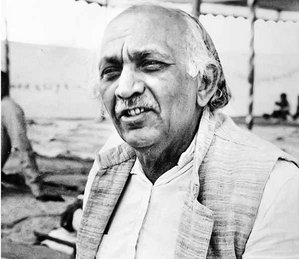
 (૧૯૧૪ના ઓક્ટોબરની પંદરમી તારીખે જન્મેલા મનુભાઈ પંચોળી ‘દર્શક એટલે આપણા એક મોટા ગજાના સર્જક, મૌલિક ચિંતક, સંનિષ્ઠ શિક્ષક, અને જાહેર જીવનના સદા જાગૃત રખેવાળ. દર્શકની દીપનિર્વાણ નવલકથાને ઉમાશંકર જોશીએ ગોવર્ધનરામની નવલકથા પછીની એક અગ્રગણ્ય નવલકથા તરીકે ઓળખાવી છે. આજથી બે-અઢી હજાર વર્ષ પહેલાંના ભારતને પાર્શ્વભૂમિ તરીકે રાખીને લેખકે સુચરિતા, સુદત્ત, અને આનંદ વચ્ચેનો પ્રણયત્રિકોણ અહીં આલેખ્યો છે. આ નવલકથાના મુખ્ય સ્ત્રીપાત્ર સુચરિતાની વાત તેની જ એકોક્તિ રૂપે સાંભળીએ, દર્શકની જન્મ શતાબ્દી નિમિત્તે)