

આપણા દેશના અરાજકીય બૌદ્ધિકો
એક દિવસ
સામાન્ય માણસના પ્રશ્નોથી ઘેરાશે.
પુછાશે એક જ પ્રશ્ન
જ્યારે દેશ સળગતો હતો – મરતો હતો,
ત્યારે તમે શું કર્યું ?
ચમકદાર આર્થિક તારણો વિશે
કોઈ નહીં પૂછે,
નહીં પૂછે કોઈ તેમનાં મોંઘા વસ્ત્રો વિશે,
કલમનો શ્વાસ રૂંધીને રચેલાં
જુઠ્ઠાણાંઓ વિશે કોઈ નહીં પૂછે,
નહીં પૂછે કોઈ મહાકાવ્યોની રચના વિશે.
એક દિવસ
એ સામાન્ય માણસ આવશે,
જેને નહોતી મળી જગ્યા –
અરાજકીય બૌદ્ધિકોની રચનામાં
છતાં તેમને દૂધ પહોંચાડતો રહ્યો,
હળ ચલાવતો રહ્યો બારે માસ,
તેમની ગાળીઓ અને બગીચામાં સાચવતો રહ્યો.
એ સામાન્ય માણસ પૂછશે,
જ્યારે ભૂખ્યાં જનોનાં ક્રંદનો
વિશ્વ ગુંજવતા’તા
ત્યારે તમે શું કર્યું ?
એ દિવસે તમે નિરુત્તર બની
શરમમાં ડૂબી જશો,
તમારી મૂંગ્ધતા
તમારો જ અંત લાવશે.
વડોદરા
સૌજન્ય : “નિરીક્ષક”, 16 જુલાઈ 2016; પૃ. 15

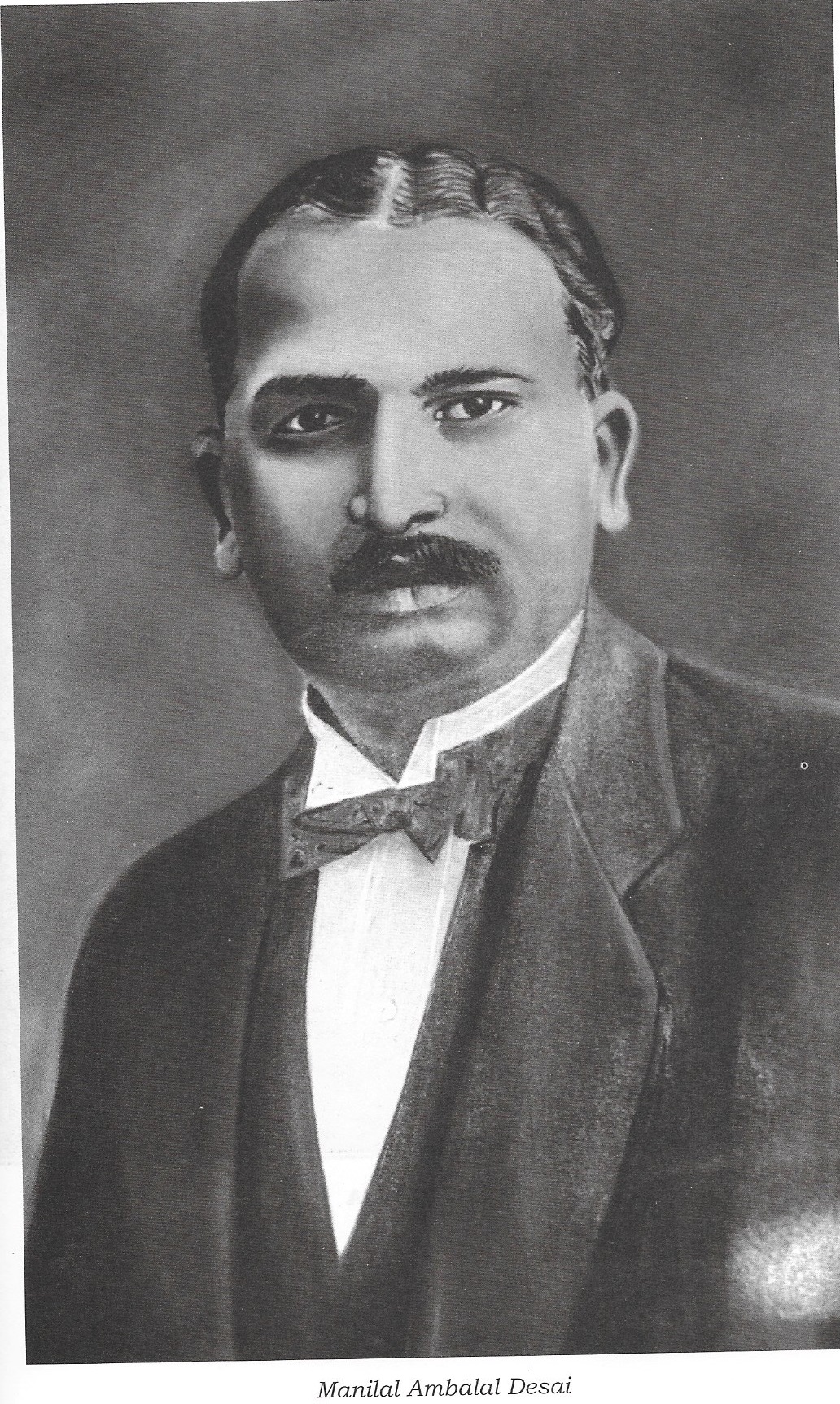 Manilal A. Desai was born in 1878 in Surat District of Gujarat in India. After finishing school he studied law. He worked for a few years in the legal field in India and in 1915 migrated to Kenya where he was employed by a firm of British lawyers in Nairobi. Like in the rest of the country, in lawyers’ offices, too, there was racial discrimination. Once when his European employer found him smoking at work, Desai was told that he was not to smoke in the office, that only Europeans could smoke there. Unable to put up with such blatant racism, he resigned there and then.
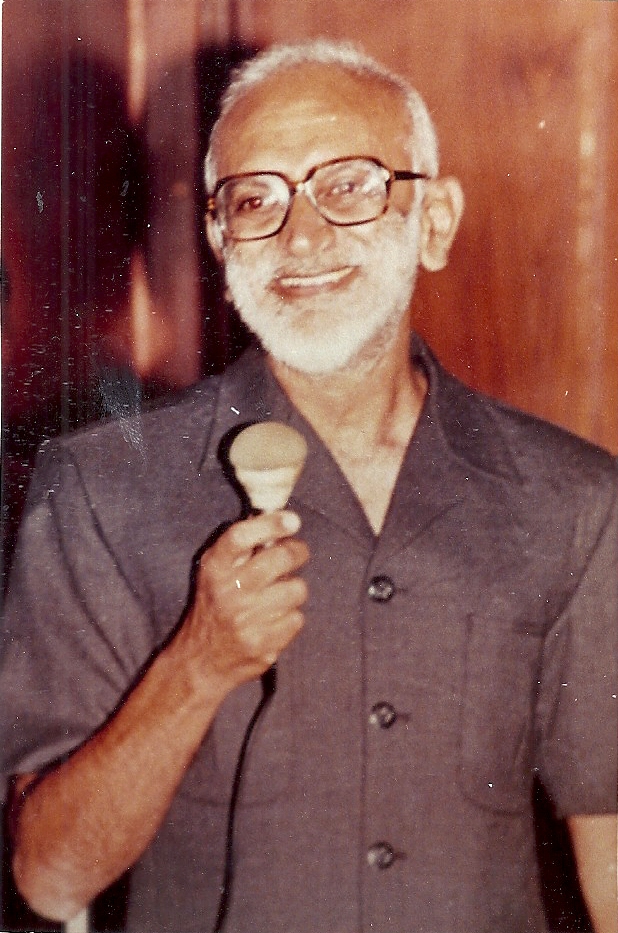 Nazmi was born in Kisumu, Kenya on March 31, 1942 and died in an accident in Nairobi on July 1, 1990. He was the 3rd child of Gulamhussein and Shirin Durrani both of whom were born in Nairobi. Nazmi’s grandfather, Alibhai Ramji, (on his father’s side) was born in Jam Timby, Naunagar State, India in 1890 and later married Avalbai. He came to Kenya when he was about 10 years old. Alibhai’s father, Ramji Kanji, had sent Alibhai (and later his younger brother) to Kenya following drought and impoverishment due to British oppression of Indian peasants.