

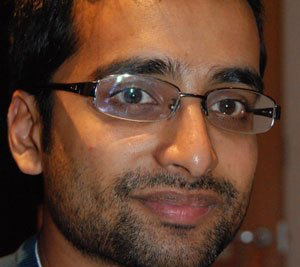
 Brothers, sisters, let us celebrate the bonds that tie us together.
If I could wave a wand and ensure one of the (many!) Hindu festivals was more widely celebrated, it probably wouldn’t be Diwali — the celebration of good over evil, light over dark, marked with sweets, lamps and fireworks. Neither would it be Janmashthami, the birth of Lord Krishna, nor Navaratri— nine nights of quasi-hedonistic music and dance giving thanks to maternal power. These festivals are already pretty well-known, and have parallels in many Western traditions.
No, it would be rakhsha bandhan, a homely, humble ritual marking the unique bond between brothers and sisters. It’s today, and will be celebrated by millions across the world — I’d like you to join in, here’s why.
“Girl tying Rakhi on a boy!!” by Joe Athialy is licensed under CC BY-NC-SA 2.0
As per tradition, sisters tie a bracelet on their brothers’ wrist, offering protection in return for a gift. Nowadays the tying of bracelets — rakhi — is often reciprocated from brother to sister, and the gift is a small amount of cash. I’m happy to stand corrected, but I don’t know of any other cultural moment that marks the love between siblings in this way.
Why am I thinking about this small gesture? Perhaps it’s because my son gets to adorn the wrist of a new cousin sister this year, or perhaps it’s because I look around at turmoil and division throughout the world and wonder if a little of the spirit of raksha bandhan might heal us somewhat…
Growing up without a sister, and thousands of miles away from cousins, I rarely got the chance to tie a rakhi in person. But whenever I did, or simply by giving (when I remembered!) and receiving letters and a bracelet in the post, I was reminded of a value that I think we can all do well to recall: that members of the opposite sex are our brothers and sisters to be respected, not things of desire to be objectified or worse, abused. We were taught to tie rakhi on our female friends too, making them our sisters and protectors rather than sexual trophies to be won.
Would there be less hatred, less sexual abuse, less division if we all recalled this brother-sister bond more often? Hard to say —much of India is notorious for the lowly status of women and sectarian tension, after all. But I appreciated growing up seeing female friends and colleagues as sisters, and even male associates as brothers rather than rivals.
I can’t help but think — the bonds of humanity that tie us together are stronger than the tides of tension that move us apart. Or at least they ought to be.
So why not reach across the desk to a colleague, and call them your brother or sister for the day. Knock on your neighbour’s door and see how they are. Call that friend you’ve been meaning to chat to for ages, check in on them. We are, after all, a brother or sister to someone…

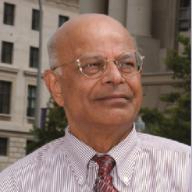 November 7, 2007, was supposed to be the most glorious day of my professional career. Born in a dirt-poor village near India’s west coast, I arrived in the U.S. with $7, studied hard, and worked harder to arrive at a moment when all of my struggles and accomplishments would be recognized, even honored.
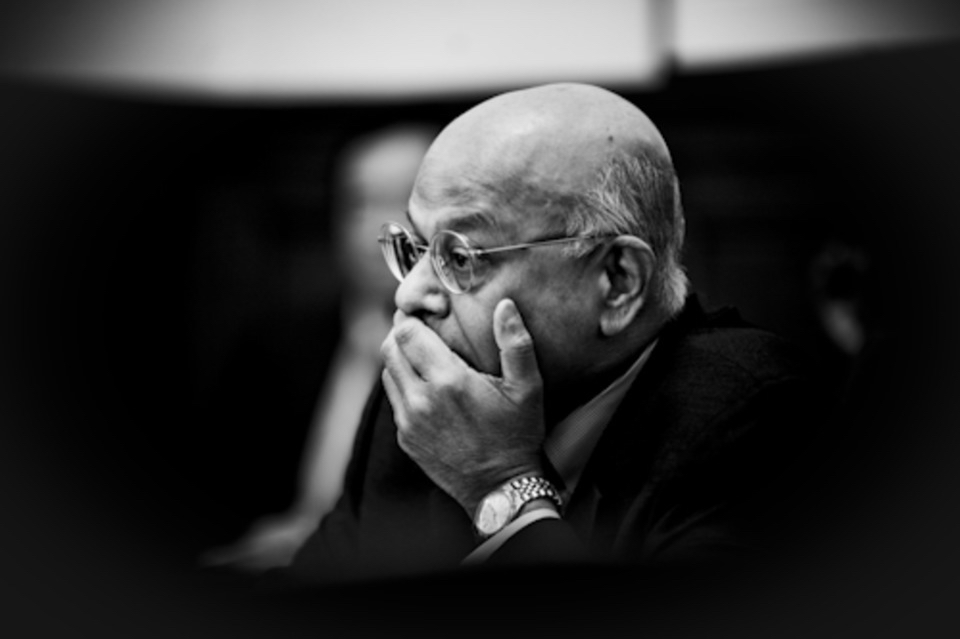
 Very early that morning, as I was polishing my shoes, FBI agents knocked on the door of Harriet Walters, a mid-level official in the District of Columbia’s tax office. They roused her from bed and arrested her on charges of masterminding a major embezzlement scheme. They accused her of conspiring to siphon off $50 million in tax receipts over the course of nearly 20 years—under the noses of the agency’s leaders, including myself. For the past decade, I had been Harriet Walters’s boss, first as tax commissioner for the District, then as its chief financial officer.
 In the age of Donald Trump’s “Make America Great Again,” survival instincts have become a necessity for Asian immigrants, among many others. On February 22, 2017, a young Indian software engineer named Srinivas Kuchibhotla was having a drink after work at his favorite bar in a small town southwest of Kansas City, where he and his wife had made their home. A disgruntled former Navy man named Adam Purinton confronted him and his friend, shouted racist slurs and said “get out of my country” before shooting Kuchibhotla. A few weeks shy of his 33rd birthday, he died of his wounds. Later Purinton pleaded guilty to first-degree murder and was sentenced to life in prison. India’s minister of external affairs tweeted: “I am shocked at the shooting incident in Kansas in which Srinivas Kuchibhotla has been killed. My heartfelt condolences to the bereaved family.” That was cold comfort to his mother, who said: “Now I want my younger son, Sai Kiran, and his family to come back for good. I will not allow them to go back.”
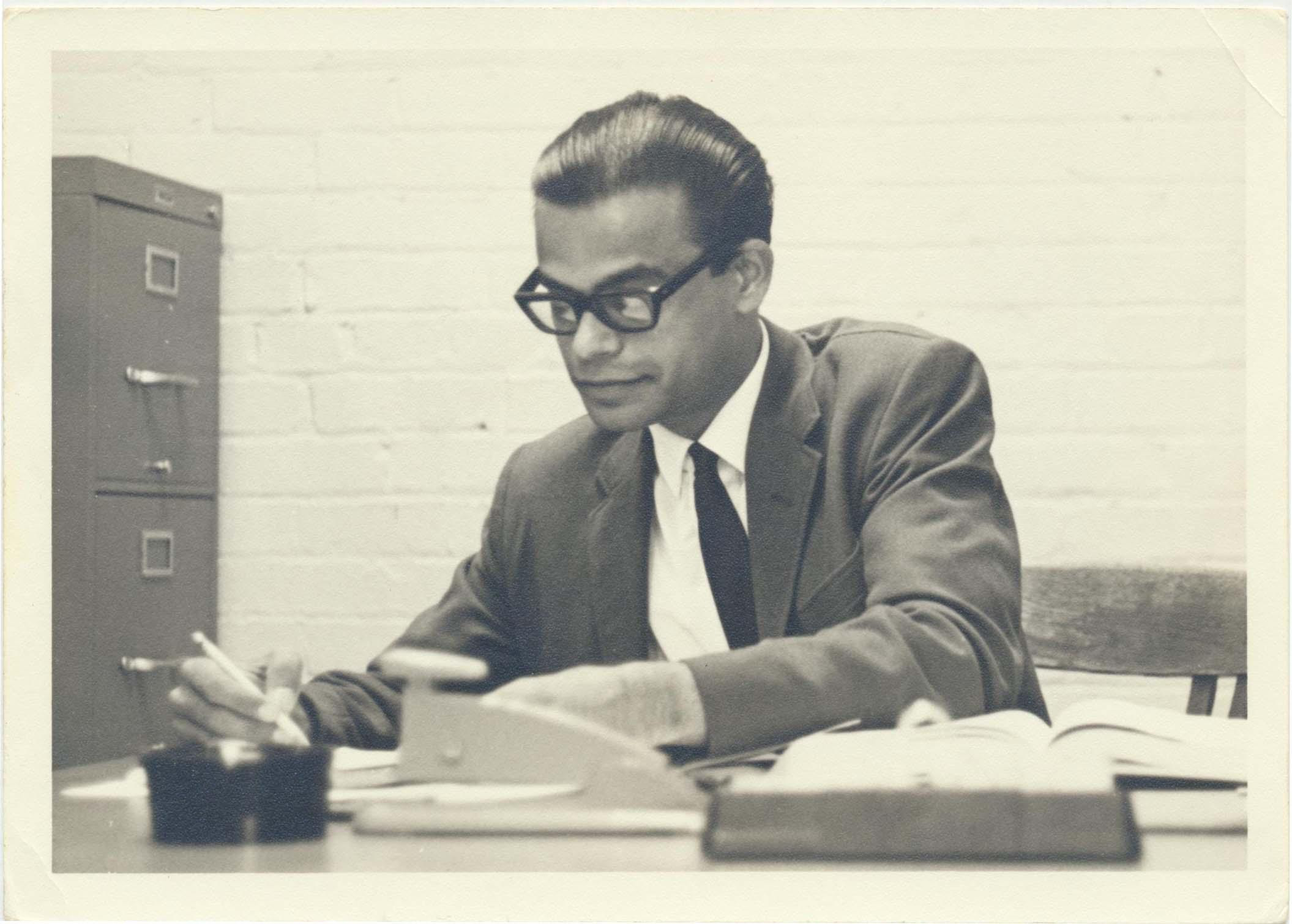 I chose America because more than any other country it has the tradition of accepting and absorbing immigrants. It gives them a chance to remake their life and I got that chance for a life that would otherwise have been wasted in India. Here, at last, what matters is what I know and can do and not where I come from or how I look or what my hereditary lineage is.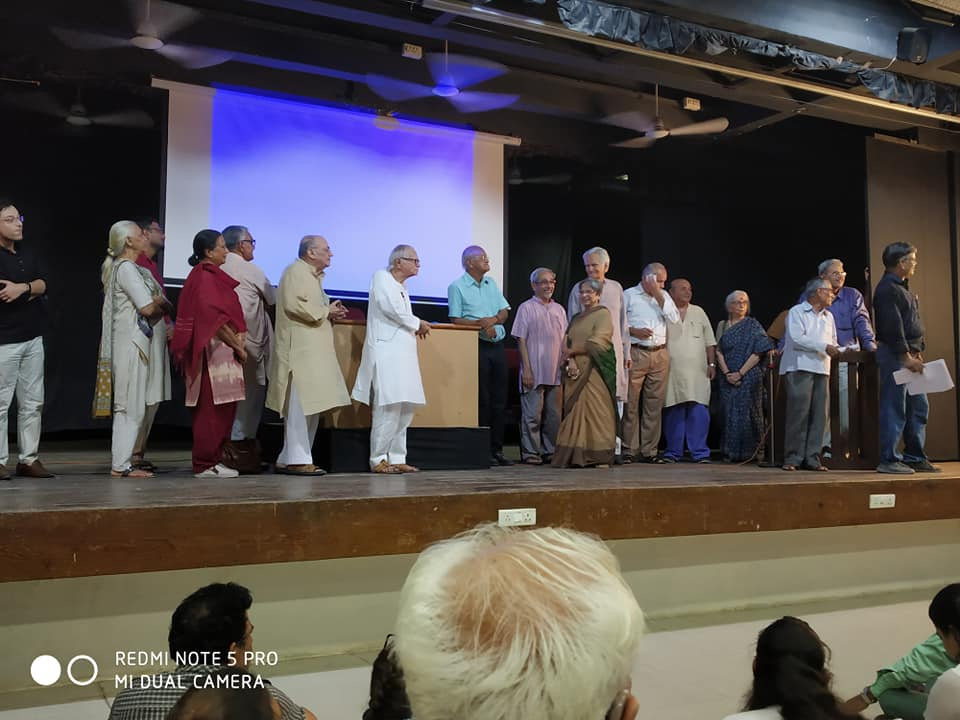
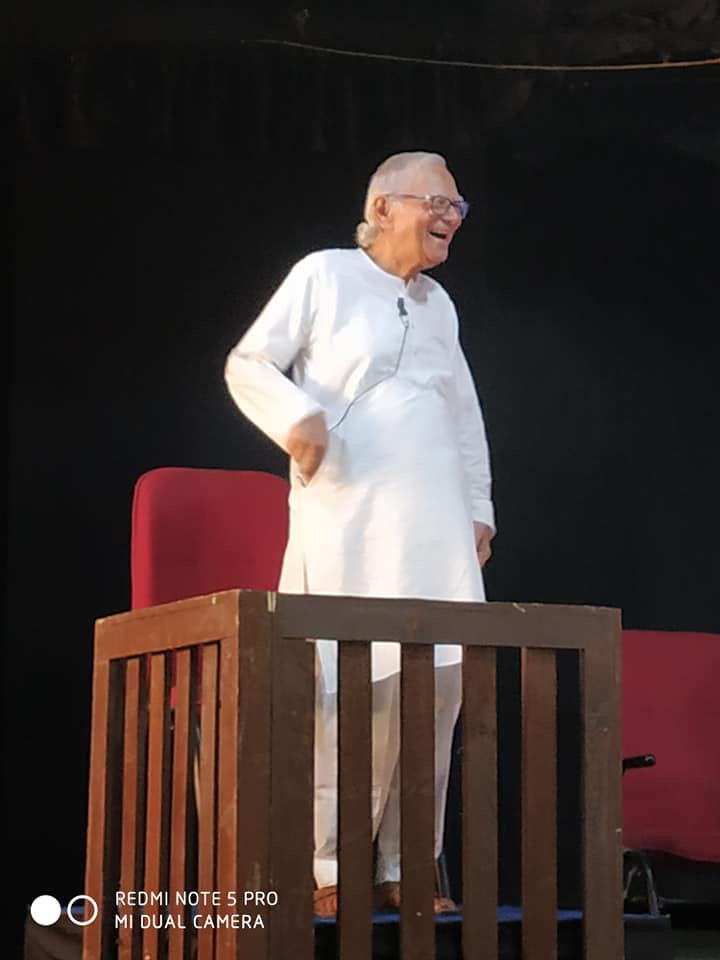 The evening started with a mock court where the most loved culprit Prakash N Shah was produced in the court of judge Hasmukh Patel. The lawyers Ketan Rupera and Urvish Kothari conducted the proceedings with the help of Ashish Kakkad. The public prosecutor Urvish Kothari produced a stellar list of witnesses to prove the charges against Prakash N Shah. Ratilal Borisagar, Ashish Mehta, Ashween Kumar Chauhan, Binit Modi, Biren Kothari, Nayanbahen Shah and other stellar figures accused Prakash Shah of several crimes – the burning ambition of being a prime minister, torturing the world with his cryptic and incomprehensible language, creating a cult of his own, communist leanings, hidden acting skills, etc. The court proceedings were ably proved with strong logic, evidences and confessions of the witnesses.